Disney and ABC have filed a lawsuit against the Federal Communications Commission over an early review of broadcast licenses for eight local television stations.
The media group is asking a federal court to halt the regulatory process while the litigation is resolved. Disney and ABC argue that the unexpected license reviews form part of a pressure campaign targeting their content and editorial decisions, in violation of First Amendment protections under the United States Constitution.
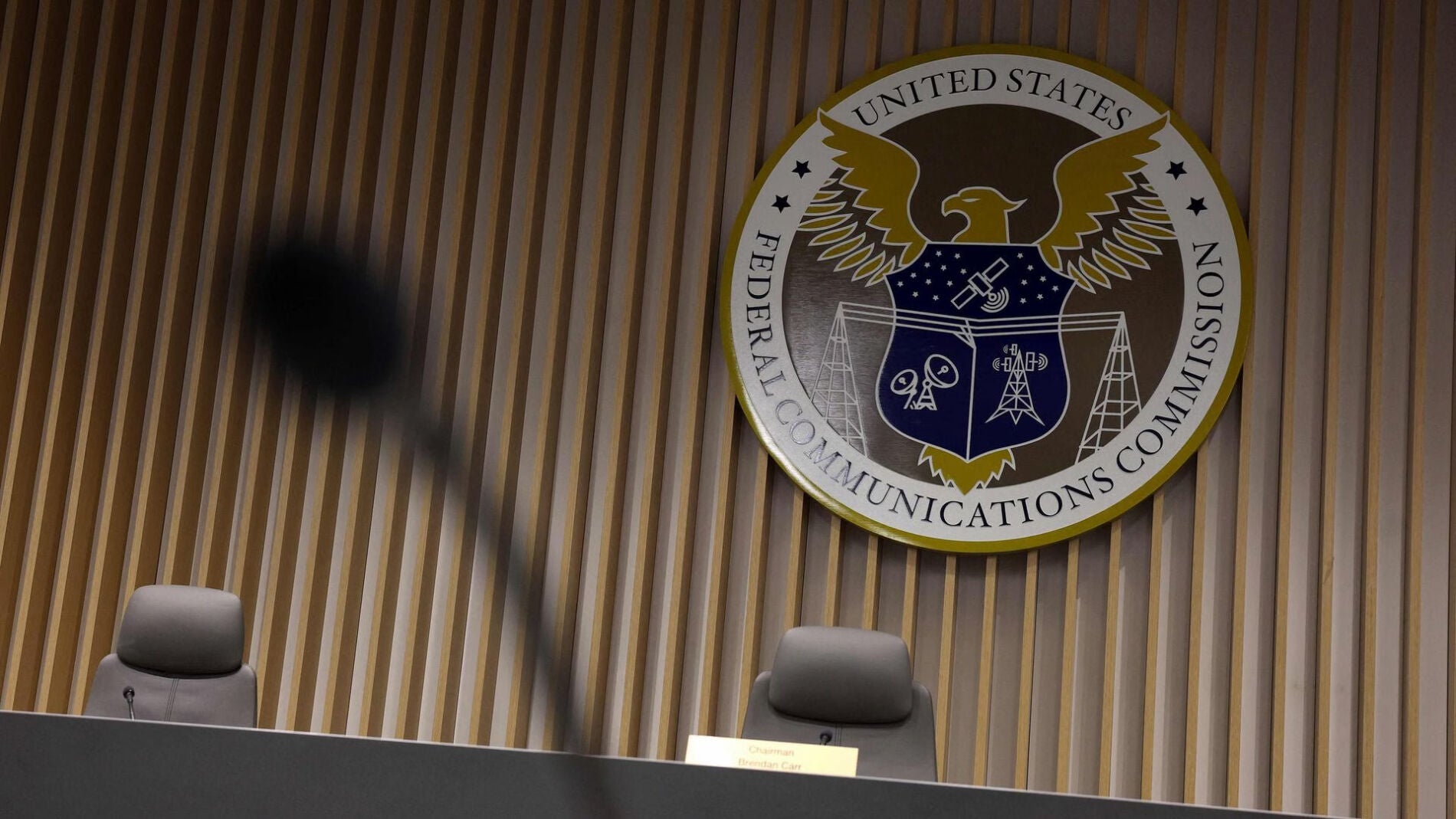
The legal challenge affects eight local ABC stations located in major metropolitan areas, including New York, Los Angeles, Chicago, San Francisco, Philadelphia, and Houston. The Federal Communications Commission operates as an independent government agency tasked with regulating radio, television, cable, satellite, and telecommunications networks across the country.
Unscheduled Renewal Demands
The regulatory authority ordered Disney and ABC to submit early renewal applications for the eight local station licenses. Several of the affected authorizations were not due to undergo the standard renewal process for several years.
Regulators linked the accelerated timeline to an inquiry into the company's employment policies, along with its mandate to verify that broadcast outlets operate in the public interest. Under American broadcast regulation, individual local stations receive licenses to operate on public airwaves rather than a single national network license.
ABC has rejected the regulator's explanation for the early review order. The network contends that the commission's demands must be understood within the broader context of growing friction between the broadcaster, the administration of President Donald Trump, and the regulatory agency.
Political Friction over Broadcast Content
President Donald Trump has repeatedly criticized ABC alongside several of its leading programs and prominent broadcast figures. Trump has publicly targeted Jimmy Kimmel, the host of the late-night program Jimmy Kimmel Live!, while calling for regulatory measures against networks whose news reporting and commentary he opposes.
The regulator has also engaged in separate disputes with ABC regarding The View, another network program featuring political discussion. ABC and Disney maintain that these persistent clashes demonstrate that the regulatory scrutiny is directly linked to broadcast content.
Disney warned that utilizing local broadcast licenses as an administrative pressure mechanism risks creating a chilling effect on editorial independence across the broadcast industry. The First Amendment protects media organizations from government interference and retaliatory regulatory actions.
Constitutional Scope of Regulatory Power
The lawsuit does not threaten ABC with the immediate loss of a single nationwide broadcast authorization, as the regulator assesses each local station license individually. However, the legal action establishes a high-stakes court battle between one of the primary media conglomerates in the United States and the national broadcasting authority.
Disney is asking the judiciary to restrict the regulatory agency's actions, while the commission maintains that it is legitimately exercising its legal oversight responsibilities regarding public interest standards and spectrum licensing.
The litigation centers on a fundamental legal question regarding the limits of federal regulatory power. The court will determine how far the commission's supervisory authority can extend before infringing upon constitutional guarantees of press freedom.