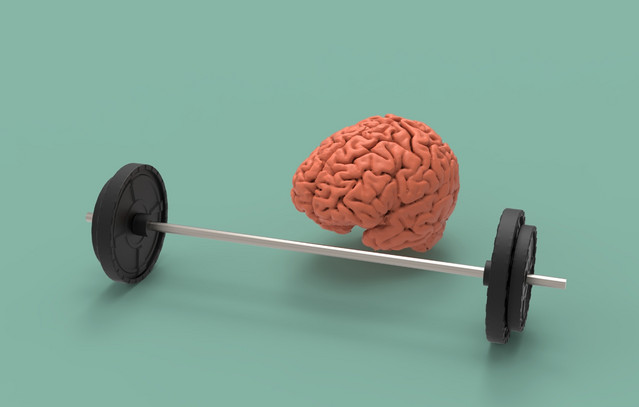
Regular physical activity reduces symptoms of depression and anxiety while improving overall mental well-being, according to findings highlighted by the World Health Organization.
The global health agency recommends that adults aim for 150 to 300 minutes of moderate-intensity aerobic activity, or 75 to 150 minutes of vigorous activity, alongside muscle-strengthening exercises at least two days a week. However, health officials stress that individuals do not need to become elite athletes, noting that any amount of physical movement is better than none.
The World Health Organization, a specialized agency of the United Nations responsible for international public health, emphasizes that consistency and choosing sustainable activities are far more crucial than reaching maximum intensity.
Biological impact on the human brain
While physical activity is widely known to release endorphins, researchers state that the process involves a far more complex biological reaction. Exercise simultaneously alters endogenous opioids, endocannabinoids, dopaminergic and serotonergic circuits, neurotrophic factors, and the regulation of the body's stress response system.
Scientists note that physical movement does not always cause an immediate drop in cortisol, the body's primary stress hormone. High-intensity workouts can temporarily elevate cortisol levels because physical exertion acts as a physiological stressor. Over time, however, routine exercise improves how the body regulates its response to stress.
Health experts explain that the post-workout feeling is not caused by a single happiness hormone, but by a multifaceted biological response.
Evidence in treating depression
The link between physical movement and depression relief is supported by extensive scientific literature. A large systematic review and network meta-analysis published in the BMJ in 2024 evaluated 218 randomized controlled trials involving more than 14,000 participants. The study concluded that exercise substantially reduces depressive symptoms.
Particularly strong positive outcomes were recorded among individuals who engaged in walking, running, yoga, or strength training. While exercise does not automatically replace psychotherapy or prescription medication, researchers highlight it as a vital component of a broader therapeutic strategy adapted to individual needs and severity.
The BMJ, formerly known as the British Medical Journal, is a peer-reviewed medical trade journal published by the British Medical Association and is one of the world's oldest general medical publications.
Efficacy in managing anxiety symptoms
Exercise has also demonstrated clear benefits for anxiety management. A 2024 meta-analysis investigating exercise, anxiety, and depression identified a significant, moderate reduction in anxiety symptoms among active individuals.
Subsequent analysis indicates that intense or exhausting exercise is not required to relieve anxiety. Programs of shorter duration and lower intensity, such as a brisk walk around the block, can produce meaningful clinical benefits without requiring strenuous training regimes.
Sleep quality and insomnia improvement
Mental health and sleep quality function in close tandem, as poor sleep exacerbates irritability, anxiety, and emotional regulation difficulties. A systematic review on exercise and sleep demonstrated that regular physical and mind-body activities significantly improve overall sleep quality while reducing insomnia severity and daytime fatigue.
A newer network meta-analysis confirmed that multiple forms of exercise enhance sleep. The research demonstrated that allowing individuals to select activities based on personal preference increases long-term adherence.
Aerobic, resistance, and mind-body options
Medical evidence shows that no single form of exercise holds a monopoly on mental health benefits. Aerobic activities including walking, running, swimming, and cycling are consistently linked to reductions in both depression and anxiety.
Resistance training also yields major benefits. A classic meta-analysis of randomized controlled trials demonstrated significant drops in depressive symptoms following strength training, with newer data confirming benefits for anxiety as well. Similarly, mind-body exercises such as yoga, which combine physical movement with breathing and mental focus, delivered marked improvements in anxiety and depression in meta-analyses of older adults.
Role in substance use disorder treatment
Emerging research suggests physical activity can also support recovery from substance use disorders. A systematic review and meta-analysis focusing on alcohol use disorder found that exercise interventions led to improvements in both physical and psychological parameters. Health experts stress, however, that exercise serves as a complementary intervention rather than a standalone cure, and must not replace specialized medical care.
Overcoming barriers and building routines
Health specialists recognize a key paradox in mental healthcare: individuals who stand to gain the most from physical activity often face the greatest hurdles to starting. Conditions such as depression, anxiety, chronic fatigue, social withdrawal, and medication side effects create major obstacles to physical movement. A study involving patients with severe mental disorders confirmed that physical health comorbidities and practical challenges heavily impact participation rates.
To overcome these barriers, experts advise starting far more slowly than initial enthusiasm might dictate. Choosing a familiar activity and gradually increasing time or intensity allows long-term habits to form. Breaking activity into brief intervals, such as ten minutes in the morning and ten minutes later in the day, offers identical health benefits while making targets manageable. Five minutes of movement or a brief walk is far more effective than a perfectly planned routine that is never executed.
Incorporating social elements, such as walking with a friend, attending a class, joining a running group, or taking up dance, transforms exercise from an obligation into an engaging social event. Comparing progress to one's own starting point rather than other people's pace ensures sustainable progress.
Extensive benefits across adult populations
A comprehensive umbrella review published in the British Journal of Sports Medicine concluded that physical activity is exceptionally beneficial for mental health across a broad spectrum of adults, reducing symptoms of psychological distress while raising quality of life.
The British Journal of Sports Medicine is a peer-reviewed medical publication specializing in sports science and medicine, published by the BMJ Publishing Group.
Health professionals emphasize that exercise should not become another source of guilt. Whether through walking, weightlifting, swimming, yoga, cycling, or dancing, the most beneficial exercise for mental health is the activity that gets an individual moving today and can be repeated tomorrow.