

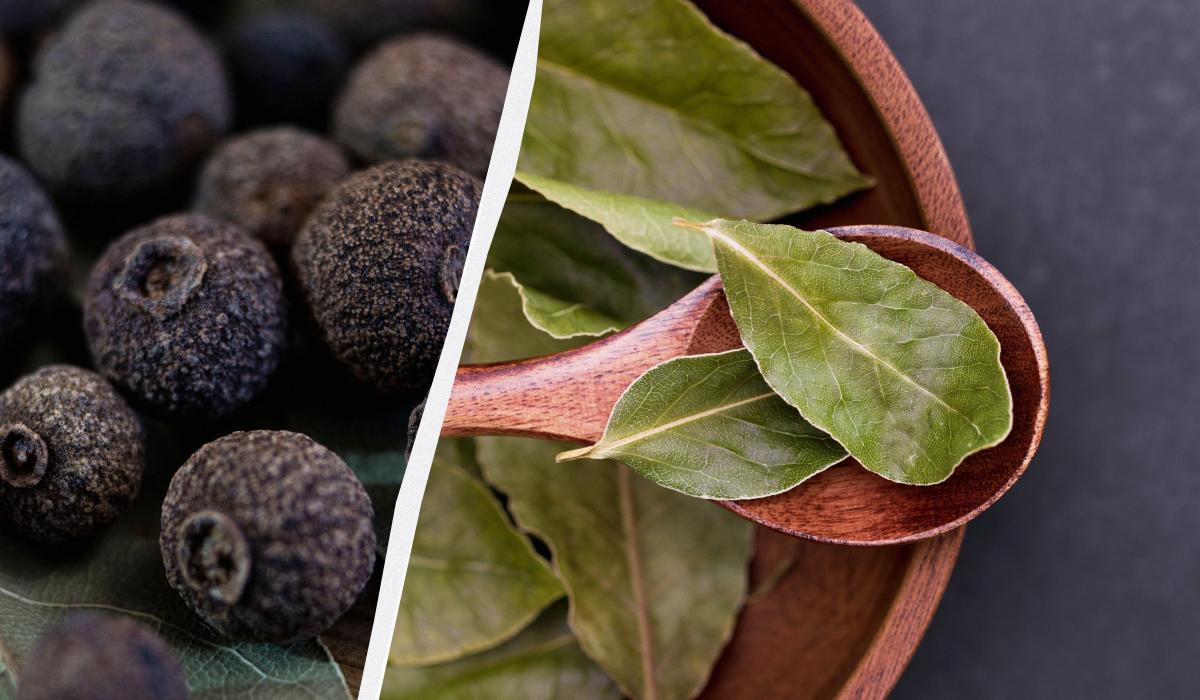
Bay leaves and allspice are essential additions that balance the flavour of homemade meat and vegetable broth, according to culinary publication Pysznosci10.
For a standard family pot, home cooks need only two to three bay leaves and four to six allspice berries to build a rounded aroma without overpowering the soup.
Pysznosci10, a culinary website known for everyday recipes, explained that traditional broth does not require an extensive list of flavourings. Instead, the dish relies on a few ingredients that interact over several hours of simmering. Meat provides richness, vegetables supply natural sweetness, and whole spices prevent the finished soup from tasting flat or monotonous.
Clear meat and vegetable broths form the foundation for everyday European soups. Gently simmering cuts of meat and root vegetables extracts savoury fats, gelatin, and aromatic juices that require balancing with herbs and spices.
Bay leaf herbal depth and timing
A bay leaf carries a distinct, slightly resinous and spicy aroma that infuses gradually into the liquid. This scent highlights the savoury taste of meat while complementing standard soup vegetables, including carrots, parsley, celery, and onions.
The publication noted that this herbal presence keeps broth from becoming overly sweet from root vegetables or excessively heavy from fatty cuts. Harvested from the bay laurel tree, the dried leaves release their aromatic oils slowly over low heat.
However, Pysznosci10 warned that using too many leaves leaves a bitter, astringent aftertaste, particularly during long cooking sessions. Cooks should add two to three leaves at the start of cooking so they have time to release their aroma, and simply fish them out before ladling soup into bowls.
Allspice pairings and freshness checks
Allspice berries provide warm spice and depth, pairing effectively with poultry, beef, and browned onions. The spice helps soften the stronger flavour of meat cooked on the bone, allowing the broth to taste milder without losing its distinct character.
Using the two seasonings together creates balance, with bay leaves supplying herbal freshness and subtle bitterness while allspice delivers warmth. The publication emphasised that cooks must use fresh, high quality spices rather than stale pantry remnants.
Whole spices kept in open packets for long periods lose their aromatic oils. Pysznosci10 advised cooks to rub leaves and berries between their fingers before cooking. If the spices produce almost no scent, they will not impart flavour to the soup and must be replaced.
Additional kitchen advice
The guidance follows previous advice from culinary specialists on traditional dishes. Experts previously explained how cooks can keep borsch bright red without vinegar by adding blackcurrant juice, which introduces gentle acidity alongside a distinct fruity note to the soup.
Specialists also shared practical tips for keeping homemade sauerkraut crunchy, noting that selecting an appropriate storage location is one of the most critical early steps to maintain its freshness and texture.