Doctors and psychologists are warning that wearable fitness trackers, sleep rings and glucose monitors are reshaping how people relate to their own bodies, as growing numbers of users learn to trust an app's verdict over how they actually feel.
Devices on the market can now estimate how much a person slept, how well they recovered overnight, how their glucose responds to breakfast, what percentage of their body is fat or muscle, and even a "biological age" meant to show how fast someone is ageing.

Dr Víctor Bravo, a specialist in endocrinology and nutrition, said the promise of all this data is seductive, but warned there is an enormous difference between knowing and measuring. He said having more data only means having more data, not necessarily more self-knowledge, because the body has always fluctuated.
Bravo said people are starting to pathologize physiology. He pointed out that heart rate can shift after a poor night's sleep, that glucose responds to exercise, stress, food and even time of day, that weight can vary by a kilo or two due to changes in body water, and that the menstrual cycle can alter many variables in women. None of that means a person is sick, he said; it means they are alive.
The rise of "orthosomnia"
Still, waking up to a daily recovery score changes how people view those natural swings. Laura Burriel, a neuropsychologist and health psychologist at the Viamed Santa Elena University Hospital in Madrid, uses the term "orthosomnia" to describe excessive concern with achieving perfect sleep based on device and app metrics.
Burriel said that when someone learns to trust an external measurement more than their own sensations, they can become increasingly dependent on that information. She said the data then stops complementing how a person feels and starts dictating how they should feel, adding that the more people check their bodily sensations, the more aware they become of small fluctuations that would previously have gone unnoticed.
When glucose monitors turn food into "good" or "bad"
Continuous glucose monitors are another metric now under close watch. Bravo described them as a genuine revolution for people with diabetes, given the clinical value of the information they provide for therapeutic decisions.
He said the picture changes when a healthy person starts to interpret every post-meal rise as clear proof a food is harmful. He gave the example of someone eating a banana, seeing their glucose rise and concluding the banana is bad for them, when glucose naturally rises after carbohydrates and can do the same after intense exercise. That, he said, is simply physiology. The problem begins when a normal bodily response turns a food into "good" or "bad." Bravo said people need to look at the whole film, not just a two-hour photograph.
Blaming cortisol for everything
On social media, cortisol has become something of a universal culprit, blamed for fatigue, hunger, weight gain, insomnia, anxiety, poor concentration, sugar cravings and a bloated stomach. Dr Imperia Elisabeth Brajkovic, an endocrinologist at the El Pilar University Hospital in Barcelona, said social media is medicalizing a normal physiological response.
She said cortisol naturally changes throughout the day and responds to stress, sleep and exercise, and that a rise at certain moments does not automatically mean a hormonal illness. Brajkovic also warned of the risk of abandoning genuinely healthy habits out of fear of these variations, noting that cortisol rises sharply during intense effort as part of the body's normal adaptation.
From step counts to "health-maxxing"
Bravo suggested the root of the trend may be a long-running obsession with doing everything correctly. People once measured performance at work, then moved on to tracking steps, calories, kilometres and completed workouts. Now that same logic of optimisation has reached far more intimate territory: how much deep sleep someone gets, how well they recovered overnight, or what their glucose did after a meal. The body, he said, is starting to look like another project to manage.
The trend has even developed its own vocabulary online, where the suffix "maxxing" has spread from appearance to wellbeing: sleep-maxxing for chasing better rest, protein-maxxing for pursuing a target amount of protein, and health-maxxing for squeezing the most out of every aspect of health. Bravo said the pursuit of perfect health can end up being deeply unhealthy, since people can end up spending more time trying to optimise their health than actually enjoying it.
Burriel said this scoring of self-care can create a sense of failure when the numbers fall short, whether that is fewer steps than a target, too little deep sleep out of seven hours, or a dinner later checked against a glucose reading. She said checking a device offers a tempting sense of control: people consult it to confirm everything is fine, feel reassured for a moment, and soon feel the need to check again. The result, she said, is a paradox in which people look for the number that will reassure them and end up needing another one to feel reassured again.
The gadgets driving the self-tracking boom
The market now offers devices for nearly every part of the body. Among them:
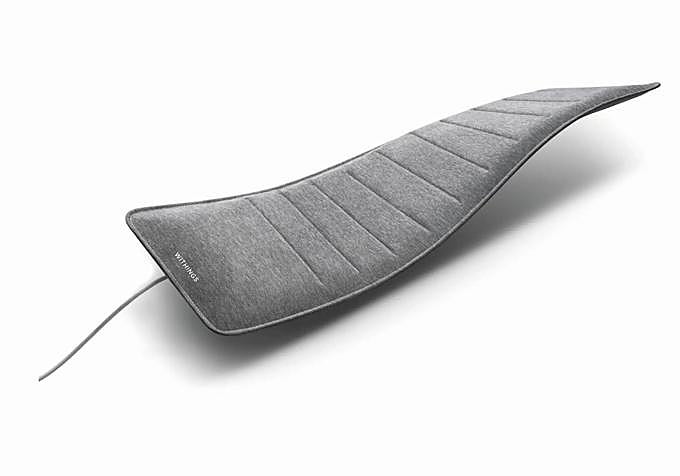
Withings Sleep Analyzer (149.95 euros), a sensor placed under the mattress that tracks sleep duration and stages, heart rate, snoring and sleep apnoea episodes.
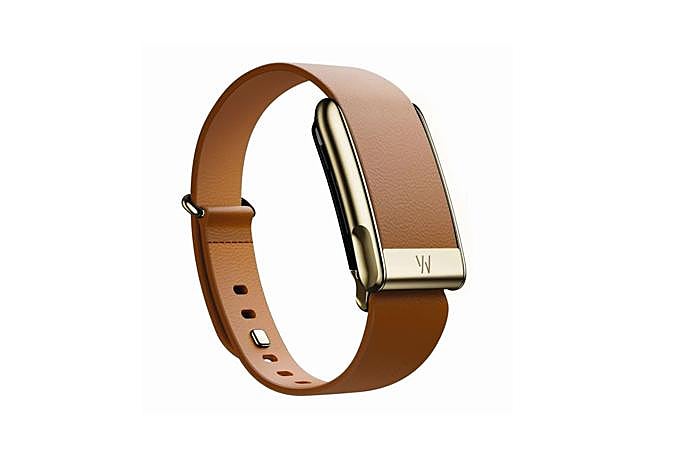
Whoop 5.0 (264 euros), a screen-free band meant to be worn around the clock that focuses on sleep, strain and recovery, using heart rate and HRV data to suggest how much to train or rest.
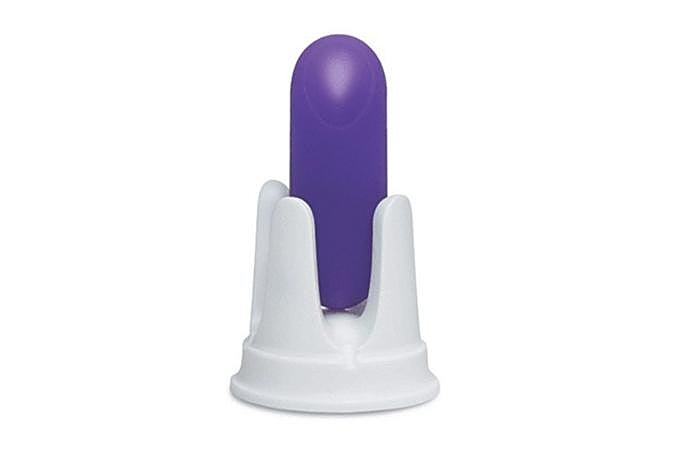
Tracklecatch (269.90 euros), a vaginal sensor that tracks body temperature to help identify fertile days using the sympto-thermal method. It is removed each morning so its data can sync to a phone, and is sold in Spain as a natural, hormone-free contraceptive system.
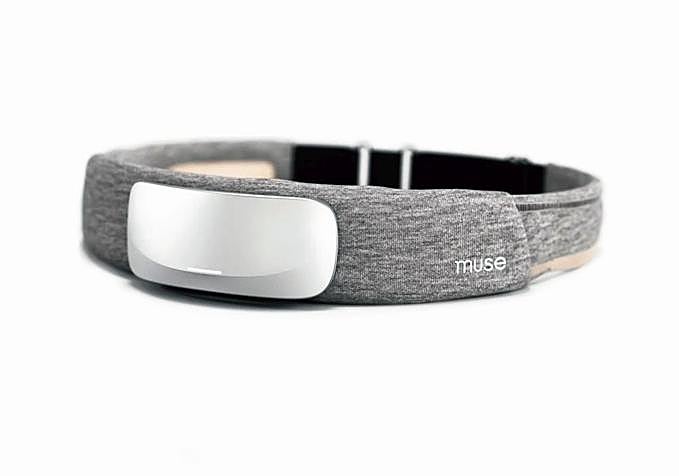
Muse Athena (449.99 euros), a headband with seven EEG sensors that combines brain activity with heart rate, breathing, movement and sleep data to give biofeedback on rest, focus and recovery.
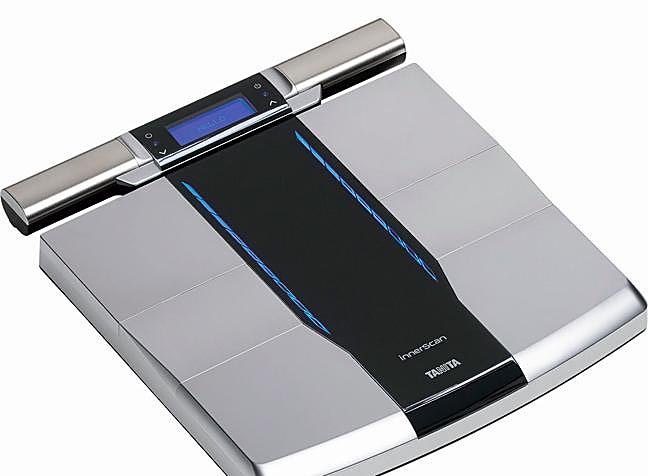
TANITA RD-545HR (499.98 euros), a body composition scale with electrodes in the feet and hands that measures fat, muscle mass and quality, visceral fat, body water, bone mass, basal metabolism, metabolic age and heart rate, with results available through the MyTANITA app.
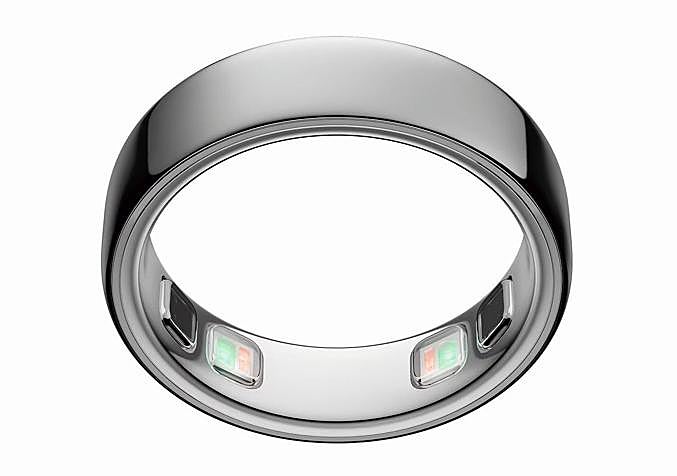
Oura Ring 5 (529 euros), a ring that turns sleep, recovery and activity into daily data, also tracking heart rate and temperature to flag trends in how the body responds.
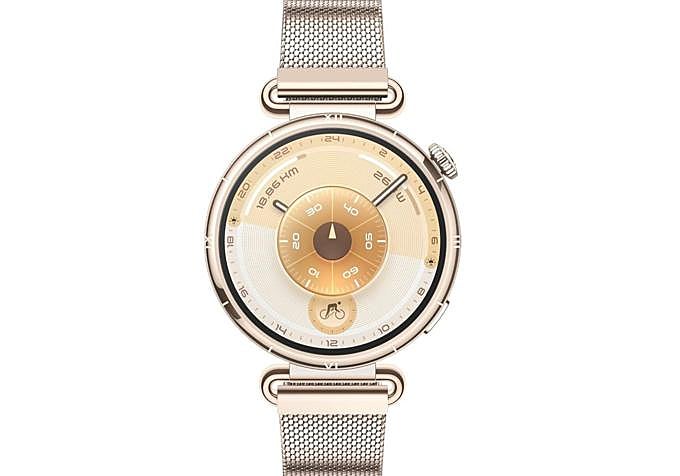
Huawei Watch GT 6 (319 euros), a watch that goes beyond step counting to record activity, sleep, heart rate and other wellbeing indicators, including features related to women's health and cycle tracking.
Letting technology help, not decide
All three experts, despite coming from different fields, arrive at a similar point: self-tracking devices make sense when they help people live better. Bravo summed it up by saying technology has to help you make better decisions, not become the one making the decisions for you.
Burriel suggested paying attention to what happens when access to the data disappears. If anxiety appears, or a small fluctuation starts to dictate the whole day, the tool has started taking up too much space, and it may be worth cutting back on measurements and returning to a more basic question: how do I actually feel?
Measuring, Bravo added, is also medicine: blood tests, blood pressure, glucose or body composition readings can be valuable when there is a real reason to check them and someone able to interpret them properly. Turning every morning into a home medical check-up, he said, is a different matter. If a tool helps, use it, he said, but don't let it use you, because technology should help people live better, not spend their lives watching how they live.
Test yourself
What term does psychologist Laura Burriel use for excessive worry about achieving a perfect sleep score?
According to Dr Víctor Bravo, what is the problem when a healthy person sees their glucose rise after eating a banana?
Which device mentioned in the article costs 529 euros and tracks sleep, recovery and activity via a ring worn on the finger?
Have your say
Do you use a wearable device to track your sleep, heart rate or activity?