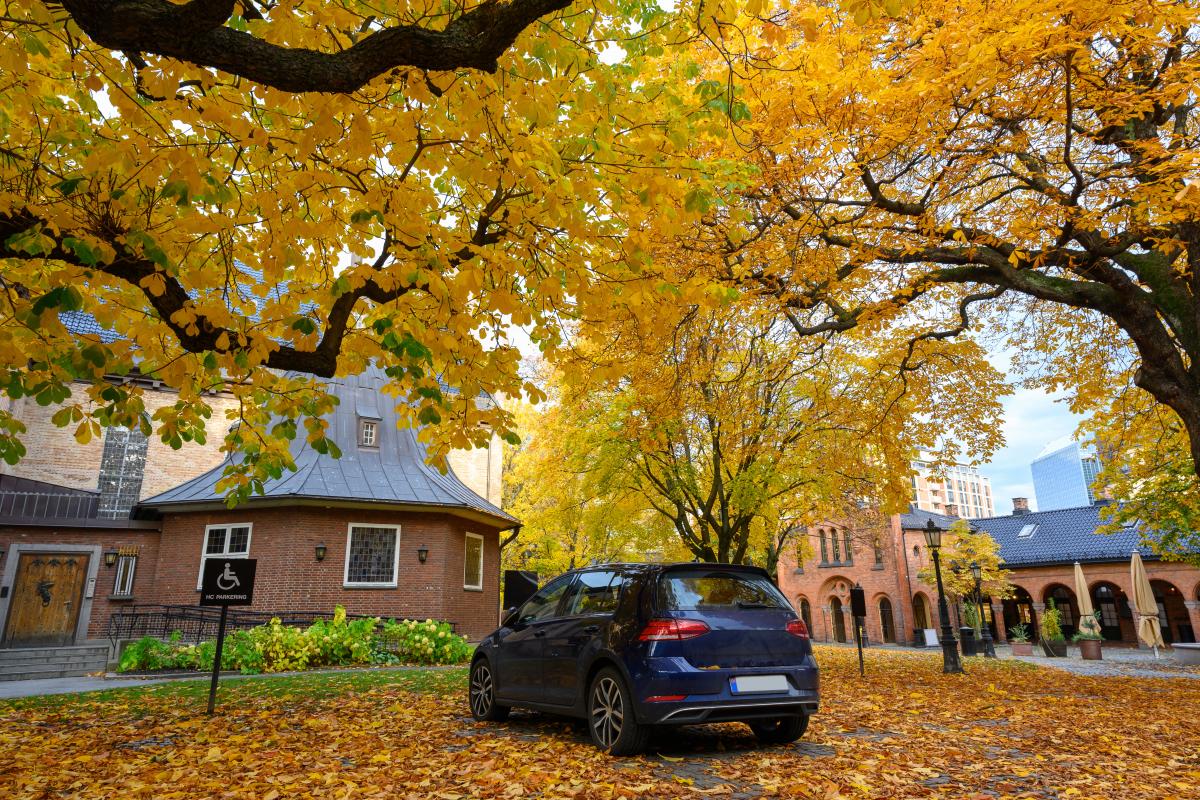
Parking a car under a tree during autumn can lead to costly repairs, according to automotive publication El Motor. Leaves that pile up on a vehicle can trigger serious faults that most drivers never suspect, the outlet reported.
The most vulnerable part of the car is the area at the base of the windshield, where the wipers, the ventilation system's air intakes and the drainage channels for rainwater are located. When leaves build up in these grilles, they get wet, mix with dirt and tightly clog the drains.
Once the drainage holes are blocked, rainwater starts collecting in places it was never meant to reach. Depending on how the body is built, moisture can seep into the cabin or reach electronic units, damaging contacts and expensive systems. Hidden flooding can be spotted through damp carpets, an unpleasant smell inside the car and windows that keep fogging up even with the doors shut.
Other ways fallen leaves damage a car
Beyond drainage problems, El Motor says dead leaves harm vehicles in other ways too.
- They impair the climate control system: plant debris clogs the air intakes, causing the cabin filter to wear out early, weakening airflow and making the windshield demist less effectively in rain or cold weather.
- They spoil the paintwork: if wet leaves stick to the bodywork for several days, they release substances as they decompose that leave stubborn stains on the paint.
How to protect your car
To avoid a trip to the repair shop, experts recommend regularly clearing leaves from under the wipers and ventilation grilles, especially after strong wind or heavy rain. For hard-to-reach spots, a soft brush or a vacuum cleaner should be used so debris is not accidentally pushed further into the channels. Pointing a high-pressure water jet at the air intakes is strongly discouraged. If water is already pooling inside the car, drivers should have mechanics clean out the drains and check the condition of the cabin filter.
Experts also point out that wet leaves on asphalt turn into a slippery film that sharply reduces tire grip and lengthens braking distances. Particular caution is needed on bends, secondary roads and shaded spots, where potholes can hide beneath a layer of leaves and moisture lingers the longest.
Clearing frost from car windows
El Motor's report also recalled earlier advice on why some drivers spray their windshield with vinegar in winter. A mixture of three parts white vinegar, one part water and a drop of dishwashing liquid is applied to a clean windshield the evening before, resulting in less frost forming overnight. However, experts caution that vinegar will not melt ice that has already formed, and that contact with paint, chrome or the rubber wiper blades can damage them.
Test yourself
According to El Motor, where is a car most vulnerable to leaf damage?
What is one sign of hidden flooding inside a car mentioned in the article?
What tool do experts recommend for clearing leaves from hard-to-reach spots?