


Pharmacist Mar Conesa has explained why dark circles become more pronounced after summer holidays, pointing to sun exposure, heat, dehydration, and altered sleep schedules.
Conesa, director of Scientific Training at skincare brand RoC Spain, noted that while the sun and heat do not directly create dark circles, environmental conditions make existing discoloration far more noticeable even after days of rest.
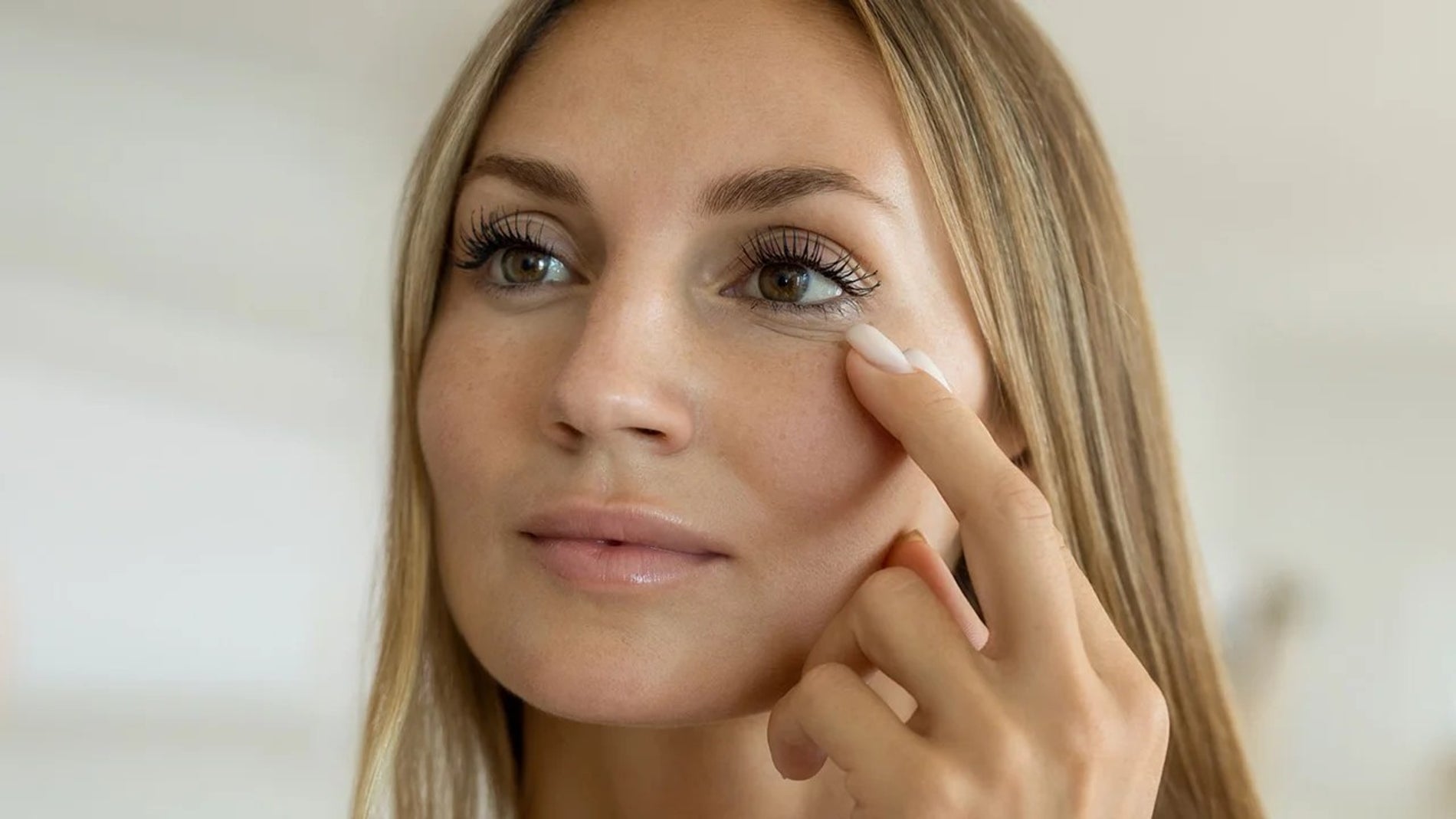
The skin surrounding the human eye is exceptionally delicate and thin, measuring roughly half a millimetre in thickness compared to up to two millimetres on other parts of the face. Because of this thin structure, changes in pigmentation, blood flow, and skin hydration show through much more readily in the periocular area than on the rest of the face.
Four Colors of Dark Circles
Not all dark circles stem from the same underlying cause, and Conesa highlighted that identifying their specific color provides crucial clues about what is affecting the skin.
Brown dark circles are primarily linked to an excess production of melanin, the pigment responsible for skin color. Sun exposure during summer months stimulates melanin synthesis, causing brown circles to intensify after prolonged time outdoors.
Reddish dark circles are connected to vasodilation and increased capillary sensitivity triggered by summer heat. High temperatures cause tiny superficial blood vessels under the eyes to expand, leading to localized redness and irritation.
Bluish or purplish dark circles stem from a slowdown in blood microcirculation beneath the thin eye skin. Sluggish blood flow allows oxygen-depleted blood to pool in the tiny capillaries, casting a blue or violet tint on the surface.
Greyish dark circles are associated with cutaneous dehydration and a lack of cellular renewal. When dead skin cells accumulate and the skin loses moisture, the under-eye area loses its natural radiance and appears dull and ash-colored.
Targeted Formulas for Eye Contour Care
Understanding which shade predominates helps consumers select appropriate treatments rather than relying on generic solutions. RoC has formulated Derm Correxion Eye Repair, priced at 36.90 euros, specifically to address the distinct causes behind each color type.
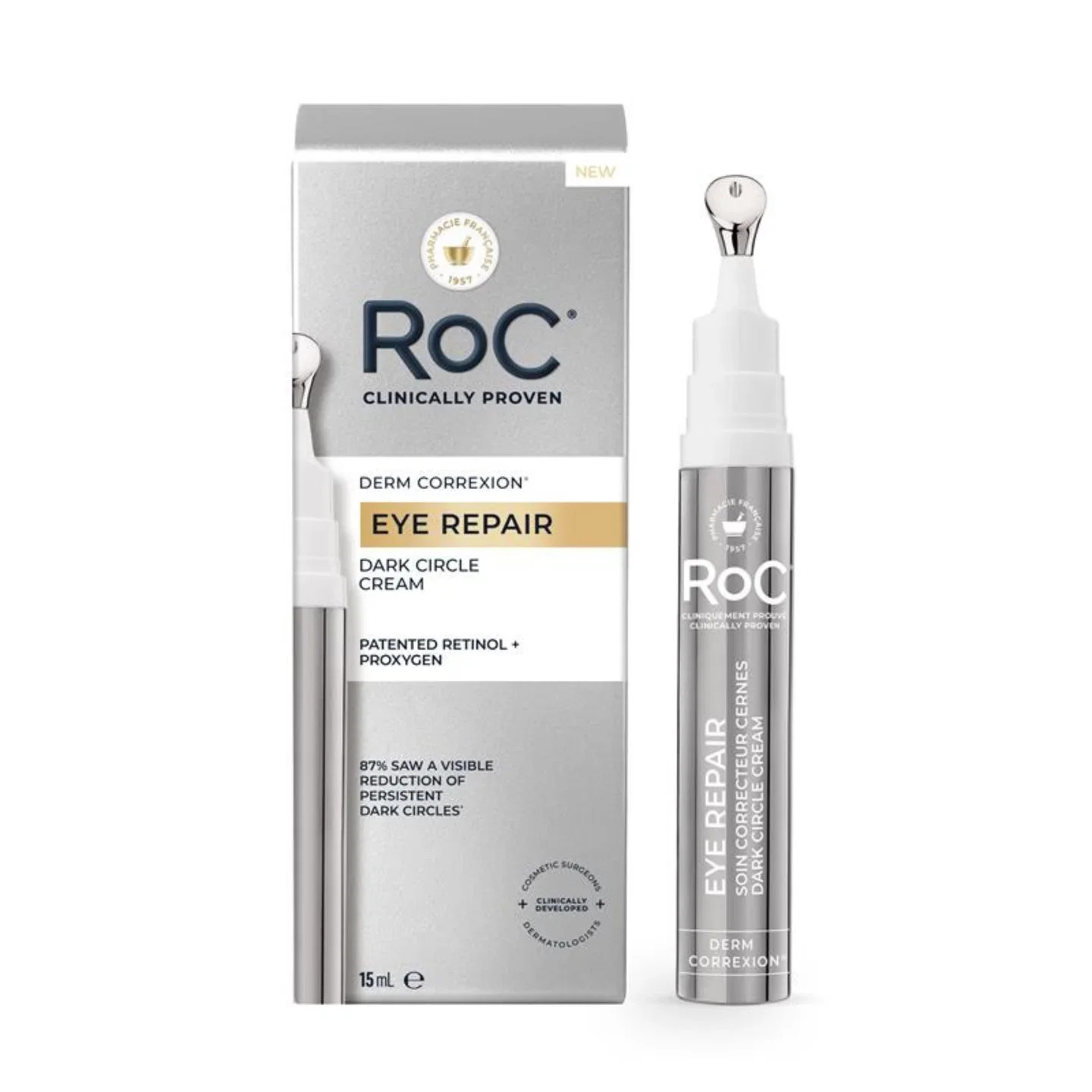
The product combines several active ingredients tailored to individual pigment and vascular mechanisms. RoC patented clinical retinol targets greyish tones by accelerating cell turnover to improve skin texture and luminosity. Retinol is a vitamin A derivative widely recognized in cosmetic dermatology for promoting skin renewal.
Niacinamide, a form of vitamin B3, addresses brown dark circles by interfering with the transfer of melanin to the surface of the skin. Resveratrol, a plant-derived antioxidant, helps unify skin tone and soothe redness associated with dilated capillaries.
To combat bluish and purplish tones, the formula incorporates an ingredient named Proxygen, which the brand states promotes blood microcirculation. The product also features a cold-tip metallic applicator designed to deliver an immediate decongestant effect during application.
Post-Summer Retinol Application
Using retinol after months of intense sun exposure often raises concerns among consumers, particularly when applied to the sensitive eye area. RoC formulated the clinical retinol in Derm Correxion Eye Repair to offer high tolerance on sensitive skin, allowing for safe year-round use.
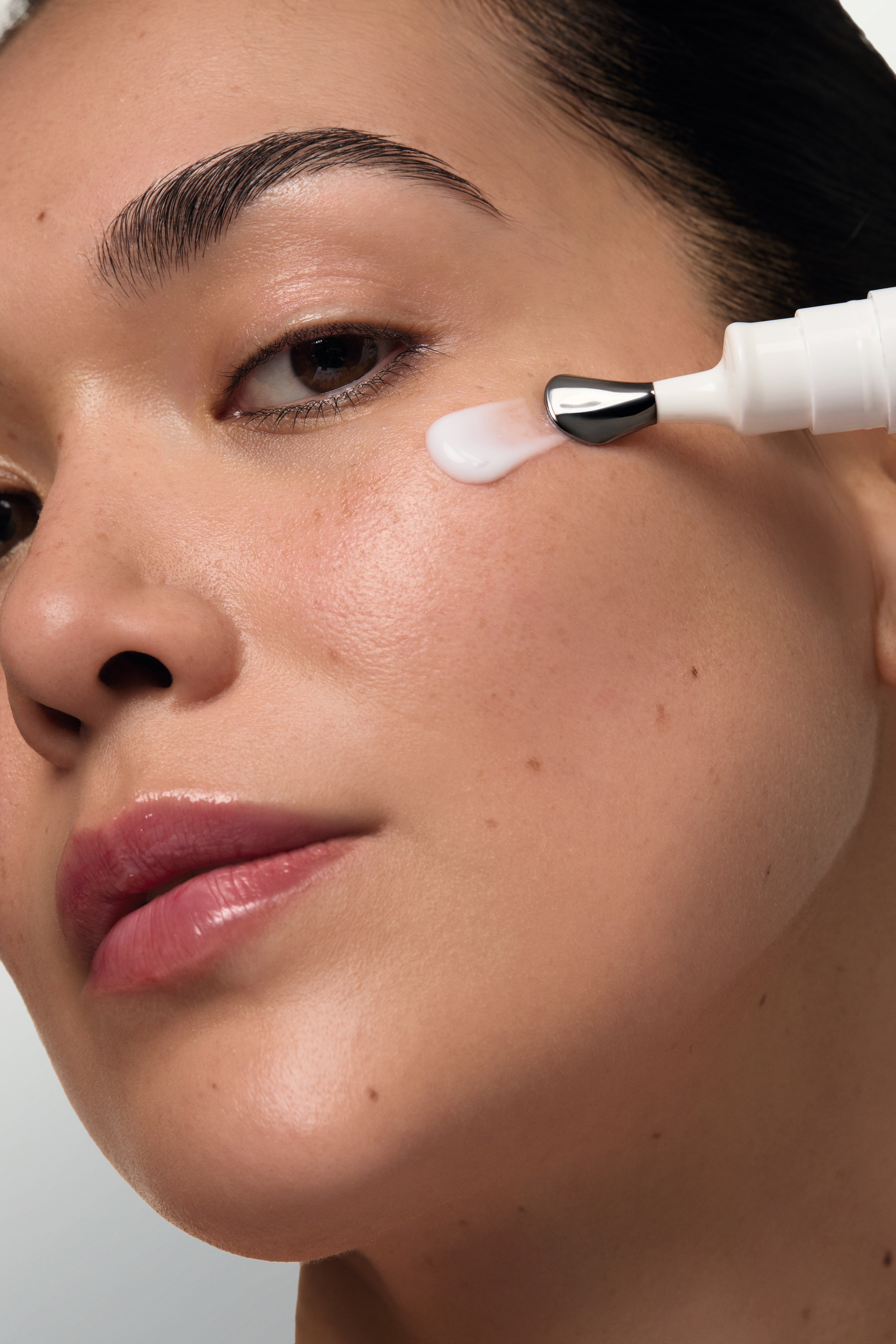
Conesa recommended incorporating the metallic applicator into daily skincare routines by using it in the morning, at night, or both. She advised sliding the cold tip gently from the inner corner of the eye outward toward the temple.
Following the smooth movement with a gentle massage encourages lymphatic drainage, helping fluid move out of congested tissues. Conesa emphasized that the color of dark circles offers valuable insight into skin health, far beyond simply showing whether a person slept well or poorly.


