


Beauty writer Susana Godoy has outlined five simple perfume application and storage tricks to stop fragrances from disappearing within a few hours on the skin.
While some perfumes stay noticeable all day, others seem to vanish almost before the wearer leaves the house. How long a scent lasts depends heavily on its formula, as well as how and where it is applied to the body.
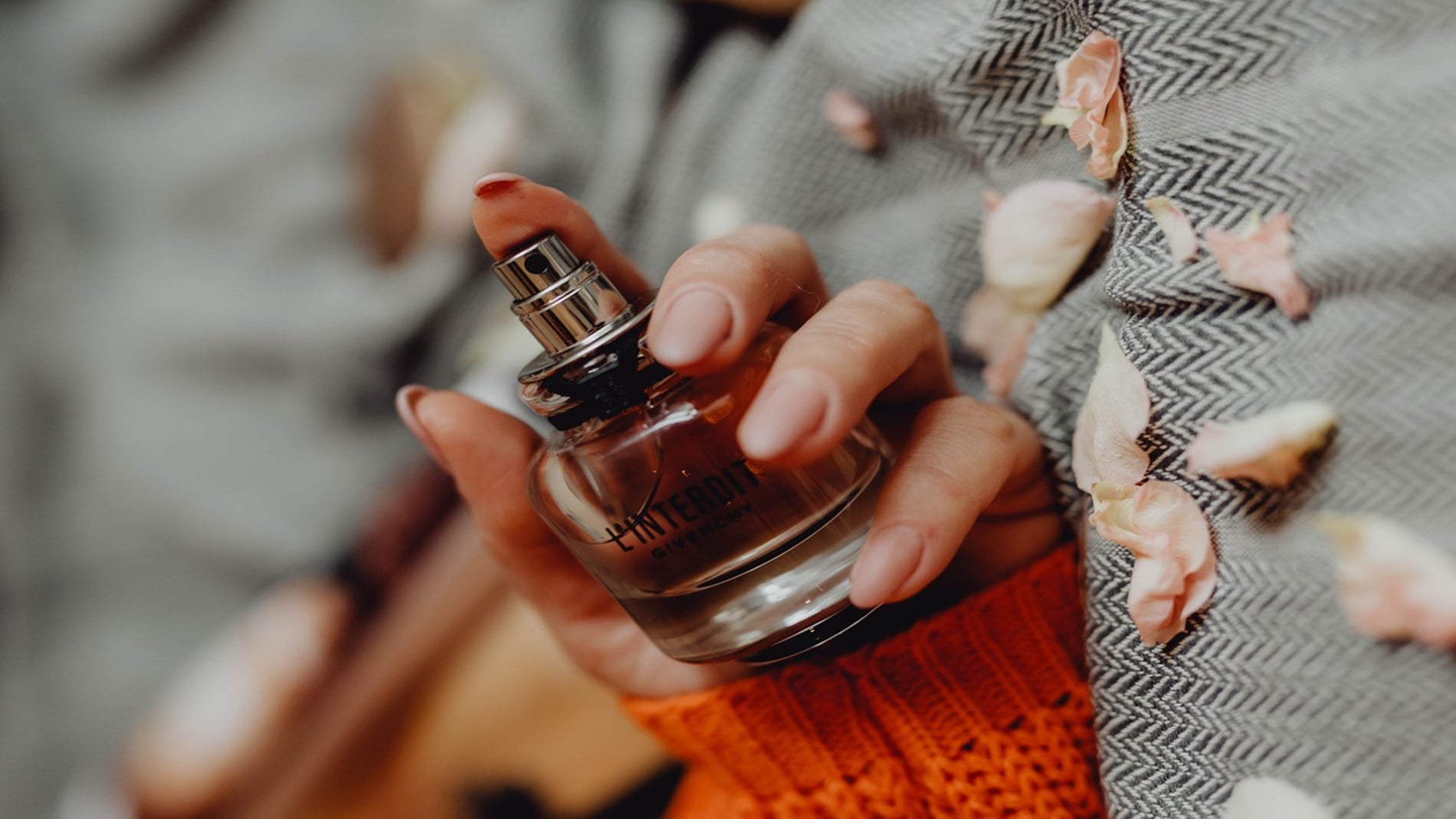
Seasonal weather also plays a role in fragrance longevity. Skin tends to become drier during winter, and that lack of surface moisture can cause many perfumes to evaporate sooner than usual. Cold outdoor air and indoor heating strip natural oils from the outer layer of the skin, leaving fewer lipids to hold onto scent molecules.
Making a few small adjustments to a daily routine can help extend how long a fragrance lingers throughout the day.
Moisturising skin before perfume application
Applying moisturiser before spraying perfume is one of the simplest and most effective ways to make a scent last. Hydrated skin retains fragrance far better than dry skin because aromatic compounds bind naturally to oils and moisture on the skin's surface.
Godoy recommends using an unscented body cream right before applying a regular fragrance so the lotion does not clash with the perfume. When a fragrance line offers a matching body lotion or body oil, using those products together reinforces the scent and builds a stronger base.
In perfumery, this method is widely known as scent layering. Because most perfumes use alcohol as a carrier that evaporates quickly upon contact with air, a lipid-rich cream or oil acts as a barrier that slows evaporation and keeps the fragrance oils anchored to the skin.
Applying perfume to pulse points and wrists
Targeting the body's pulse points is another reliable method for extending scent longevity. The wrists, the neck and the area behind the ears are ideal spots because blood vessels sit close to the skin there, generating natural warmth that helps the perfume diffuse gradually over time.
Wearers do not need to drench themselves in fragrance to get results. A few well-placed sprays on warm areas of the body work much better than spraying large amounts of perfume at random.
Once the perfume is on the skin, Godoy advises against the common habit of rubbing both wrists together immediately after spraying. While rubbing will not erase the scent entirely, the friction creates heat that can speed up the evaporation of certain notes.
Fragrances are blended in stages, starting with light top notes that introduce the scent before giving way to heart and base notes. Letting a spray dry on its own preserves those lighter opening molecules instead of burning them off early.
Spraying perfume on clothes and scarves
Clothing can also help a fragrance last longer because textile fibres hold onto scent molecules for more time than bare skin. Spraying a winter scarf or a coat can prolong the sensation of wearing perfume throughout the day.
Unlike skin, fabric does not produce body heat or natural enzymes, which slows down the evaporation of aromatic oils. Even so, wearers should take care with delicate garments, as some perfumes can leave visible marks or stains. Testing the spray on a hidden area of the fabric first prevents damage to fine clothing.
Proper perfume storage and long-lasting fragrance notes
Where a perfume bottle is kept between uses also affects the lifespan and quality of the liquid inside. Heat, direct light and humidity can alter a fragrance over time by breaking down its aromatic compounds.
Because steam from showers creates regular humidity and temperature swings, the bathroom is not always the best place to keep perfume. Storing the bottle in a cool, dry spot away from direct sunlight protects the formula.
Finally, the ingredients inside the bottle determine how long a scent can endure, as not all fragrances last the same amount of time. Choosing the right scent profile is important for anyone seeking maximum longevity.
Perfumes built around notes of amber, woods or musk typically remain on the skin much longer than light and citrus scents. Citrus oils consist of smaller, volatile molecules that evaporate quickly, whereas woody, musky and amber notes use heavier molecules that evaporate slowly and anchor a fragrance for hours.


