

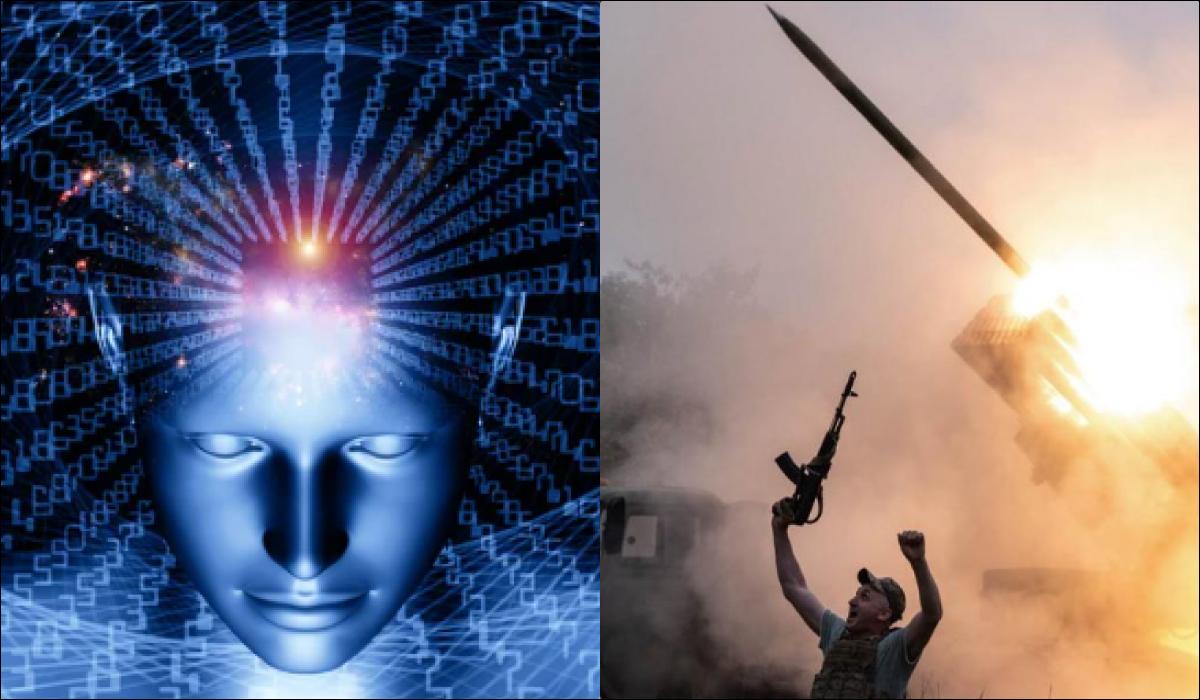
An artificial intelligence assessment using ChatGPT has predicted that active combat in Ukraine will most likely end in 2027.
The analysis, generated using the GPT-5.6 Luna model, indicates that while large-scale military operations could cease between spring and autumn of 2027, a formal peace treaty between Kyiv and Moscow is expected to take significantly longer to negotiate.
As of August 22, 2026, the diplomatic process remains stalled, with Russia showing no willingness to accept a simple ceasefire that freezes the current front lines. Ukraine continues to push for a diplomatic resolution, having already transmitted specific proposals to American mediators. Meanwhile, European leaders continue discussions regarding future support for Ukraine alongside potential diplomatic steps, as Western nations seek pathways to end the fighting that began with Russia's full-scale invasion in February 2022.
Diplomatic Timelines and Ceasefire Scenarios
The artificial intelligence model distinguishes between a total conclusion to the war and a cessation of large-scale combat, projecting that any settlement will occur in stages. The model assigns a 25 to 30 percent probability that active fighting will end by the close of 2026, rising to a 50 to 55 percent chance during 2027, and falling to 20 to 25 percent for 2028 or later.
According to the forecast, the window between late 2026 and spring 2027 represents the most realistic opportunity for initial diplomatic progress toward a truce. Although deep divisions persist between the two nations, the analysis notes that a diplomatic breakthrough could occur rapidly, potentially yielding a temporary ceasefire formula within a few months despite the ongoing stalemate along the frontline.
A primary factor behind the delayed timeline is the major disagreement between Ukrainian and Russian leadership on fundamental issues, with Moscow publicly declaring its intent to fight on unless its terms are satisfied. Data from online prediction market aggregators reflects this skepticism, giving the war just an 8 percent chance of ending by November 2026 and roughly a 22 percent chance by December 2026. Prediction markets operate as forecasting platforms where participants trade contracts based on the likelihood of future geopolitical outcomes.
Background and AI Disclaimer Details
ChatGPT is an artificial intelligence chatbot developed by United States technology firm OpenAI, which utilizes machine learning models to analyze online datasets and generate predictive text. The published report notes that its contents were partially created using artificial intelligence for entertainment purposes and should not serve as a reliable basis for life, health, or financial decisions, advising readers to consult verified human experts instead.
Under the scenario outlined by the model, the conflict is expected to follow a gradual transition starting with a temporary truce or armistice along active combat zones. Following an armistice, negotiators would enter extended talks regarding territorial control, long-term security guarantees, and other complex political arrangements necessary for a lasting peace.
Related Mystical and Astrological Forecasts
The report on the artificial intelligence forecast also recalled earlier predictions regarding the conflict made by Ukrainian astrologer Vlad Ross, who previously offered his own timeline for the war's conclusion. Ross, a frequent media commentator in Ukraine known for political astrological forecasts, has also published specific dates when he claims Ukrainian ballistic missiles will strike the Russian capital of Moscow.
Other recent forecasts highlighted alongside the artificial intelligence model include claims by a self-described witch regarding the destruction of the Crimean Bridge, which links mainland Russia to the annexed Crimean peninsula, and subsequent Russian retaliation, as well as a separate prediction of a catastrophic end to the war. Regional media coverage frequently compares these forecasts to the prophecies of Baba Vanga, a blind Bulgarian mystic who died in 1996 after gaining international fame for her predictions, which range from documented hits to notable misfires.


