

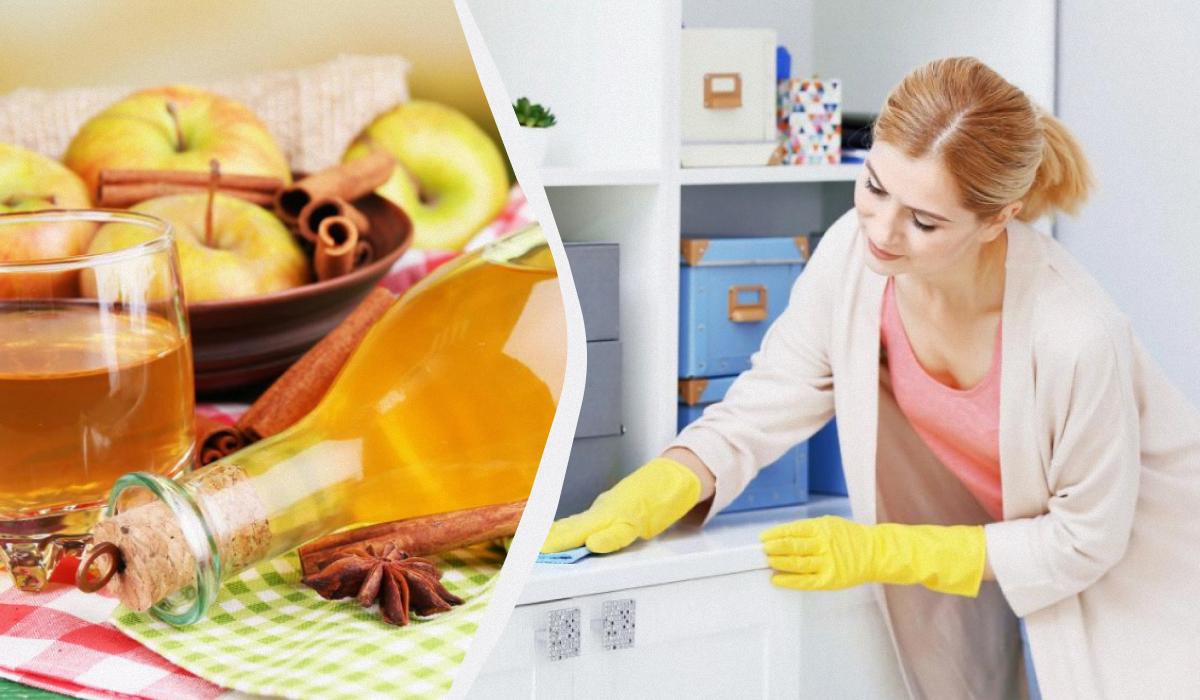
Apple cider vinegar can double as an inexpensive household cleaning agent to clear grease, dirt, odours and mineral deposits beyond the kitchen, according to a report by Better Homes and Gardens.
The acidic liquid contains acetic acid that gives it natural antimicrobial and antibacterial properties when mixed in equal parts with water. Undiluted vinegar carries a strong scent and should be used sparingly, though it works effectively when clearing clogged drains or taps.
However, experts warn that vinegar is not suitable for all household materials. Acidic cleaners can damage natural stone, wooden flooring, tile grout and certain metals, causing discolouration or rust. Crucially, apple cider vinegar must never be combined with bleach or other chlorine-containing products because the chemical reaction generates dangerous toxic gas.
Acetic acid is a weak organic acid produced during the fermentation of cider by yeast and bacteria. While mild enough for culinary use, its chemical composition breaks down alkaline mineral scale, soap scum and organic buildup, making it a popular natural alternative to synthetic commercial cleaners.
Bathroom surfaces, toilets and plumbing
Bathroom fixtures including bathtubs, sinks and vanity countertops can be cleaned by spraying or wiping a 1:1 ratio mixture of apple cider vinegar and water using a spray bottle or microfiber cloth. Leaving the solution on surfaces for a few minutes helps eliminate mold and fungus. For tough soap scum, mixing a 2:1 vinegar-to-water solution with a small amount of dishwashing detergent provides extra cleaning power.
Toilet bowls can also be disinfected and stain-freed using apple cider vinegar, which removes surface bacteria and neutralizes unpleasant smells. Cleaning requires pouring half a cup to one cup of vinegar directly into the bowl and leaving it to sit for 15 to 20 minutes before scrubbing the rings with a toilet brush and flushing.
For water spots around taps and drains, a standard vinegar and water mixture breaks down buildup. Accumulated mineral deposits can be treated by soaking a cloth in a 1:1 solution, applying it to the affected spot for 15 to 30 minutes, and wiping clean. Slow-draining pipes and drain odours can be resolved by pouring baking soda into the drain opening, adding apple cider vinegar, waiting 10 to 15 minutes, and flushing the pipe with hot water.
Kitchen appliances and countertops
Washing machines require periodic deep cleaning to clear accumulated mold, fungus and microbes over time. Running an empty cycle with hot water and two cups of apple cider vinegar poured directly into the drum sanitizes the appliance. Microfiber cloths dampened with a vinegar and water mixture can then be used to wipe down the drum interior and door seals.
Microwave interiors can be steam cleaned by placing a microwave-safe bowl containing a 1:1 mixture of apple cider vinegar and water inside and heating it for three to four minutes. Steam loosens stuck-on food grime, allowing the interior walls, glass turntable, outer casing and door to be wiped down safely with the solution.
Refrigerators can also be cleaned inside and out using the apple cider vinegar and water mixture. Shelves, drawers and interior walls should be sprayed, with stubborn dirt left to soak under the solution for several minutes before being wiped clean with a water-dampened microfiber cloth.
Dishwashers can be freshened by placing a dishwasher-safe bowl containing approximately one cup of apple cider vinegar on the top rack before running a hot water cycle without detergent. A small amount of baking soda can be added to the interior prior to starting if the dishwasher is heavily soiled.
Most kitchen countertops can be cleaned with the vinegar and water solution, paying close attention to hard-to-reach crevices. Dirt, mold or fungus should be allowed to sit under the solution for a few minutes before wiping. However, countertops made from wood or natural stone such as granite and marble must never be cleaned with vinegar, as the acid erodes the protective sealant and etches the surface.
Cookware, glass, floors and entryway care
Kitchen utensils and cookware, including cutting boards, knives, cups, kettles and coffee makers, can be cleaned with a 1:1 vinegar solution. Items should be washed in a dishwasher or wiped with a damp cloth afterward to eliminate any remaining vinegar smell.
To descale a kettle, mix one cup of apple cider vinegar with two tablespoons of salt in the water reservoir, boil the mixture for 10 to 15 minutes, empty the container, scrub with a brush, and rinse thoroughly. Coffee makers can be cleaned by running a 2:1 vinegar-to-water solution through half a brewing cycle or a short cycle before flushing thoroughly with clean water.
Windows, mirrors and glassware achieve a streak-free finish when wiped with a vinegar solution. Dust and loose dirt should first be cleared from the glass surface before spraying the vinegar and water mixture and wiping it dry with a microfiber cloth.
Floors made from non-porous materials can be mopped using a mixture of approximately one cup of apple cider vinegar diluted in one gallon of water. Natural stone and wood floors should be avoided due to risks of discolouration and surface damage, while direct application to tile grout should be avoided to prevent long-term degradation.
Beyond general cleaning, experienced homemakers note that spraying entryways and front doors with a vinegar solution deters certain insects with its sharp scent while clearing exterior dirt. News outlet UNIAN also previously reported that vinegar offers a simple method to restore the bright white finish of discoloured skirting boards.


