

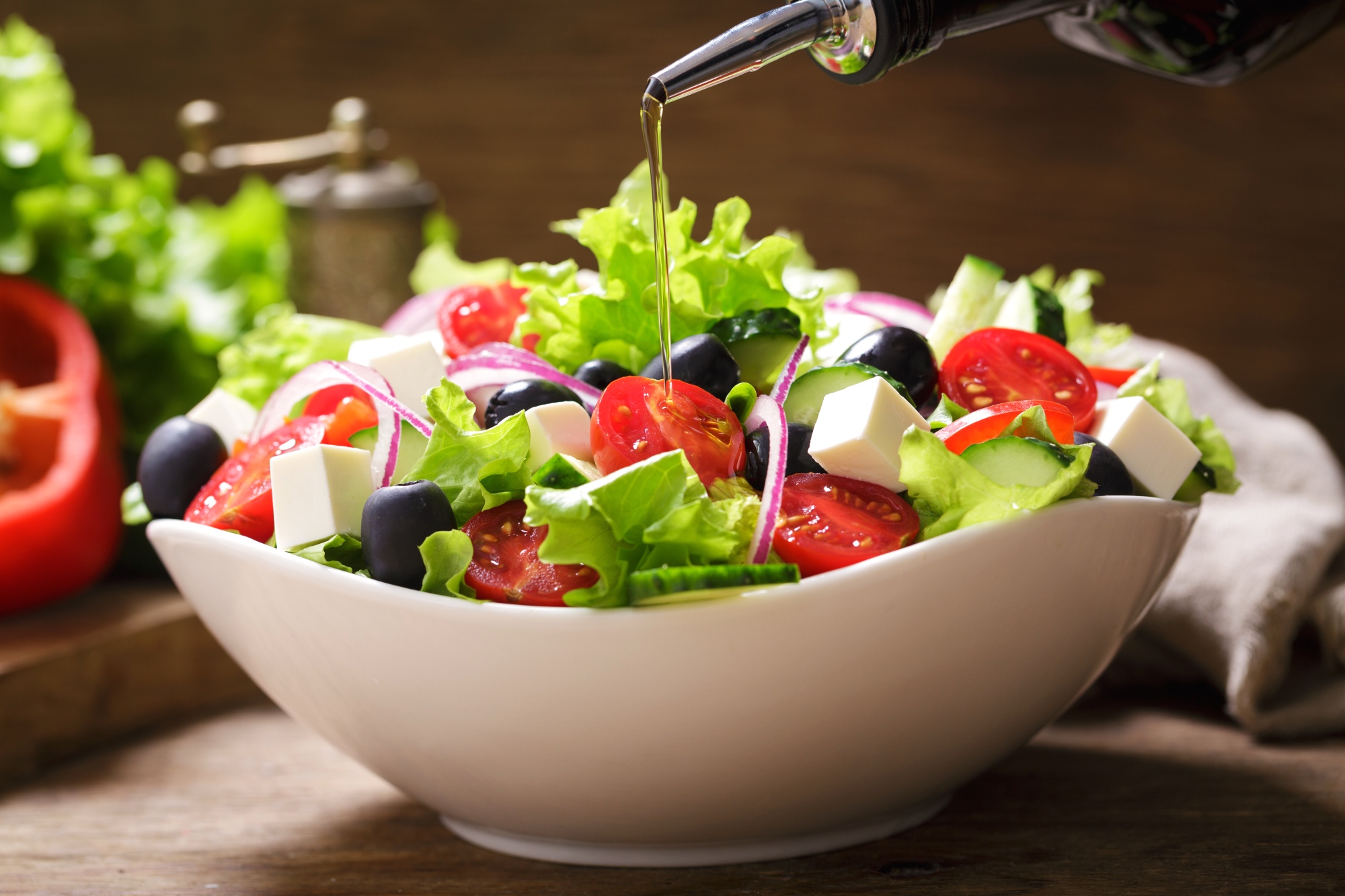
Aleksandra Razumovskaya published seven traditional and modern Greek salad recipes with detailed preparation instructions and culinary tips on August 11, 2026.
Greek salad is recognized as one of the most iconic dishes of Mediterranean cuisine. Recipes for the dish vary considerably across different countries and regions.
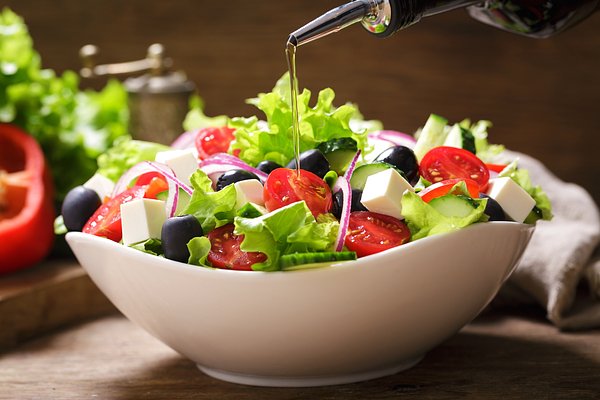
Origin and Global Spread of Horiatiki
In Greek, the salad is called Horiatiki, which translates to village salad or peasant salad. According to one legend, the dish originated as a simple summer meal assembled by farmers using whatever produce grew nearby. Tomatoes were absent from the original recipe because tomatoes arrived in Europe in the late 16th century and became established in Greece only in the early 19th century.
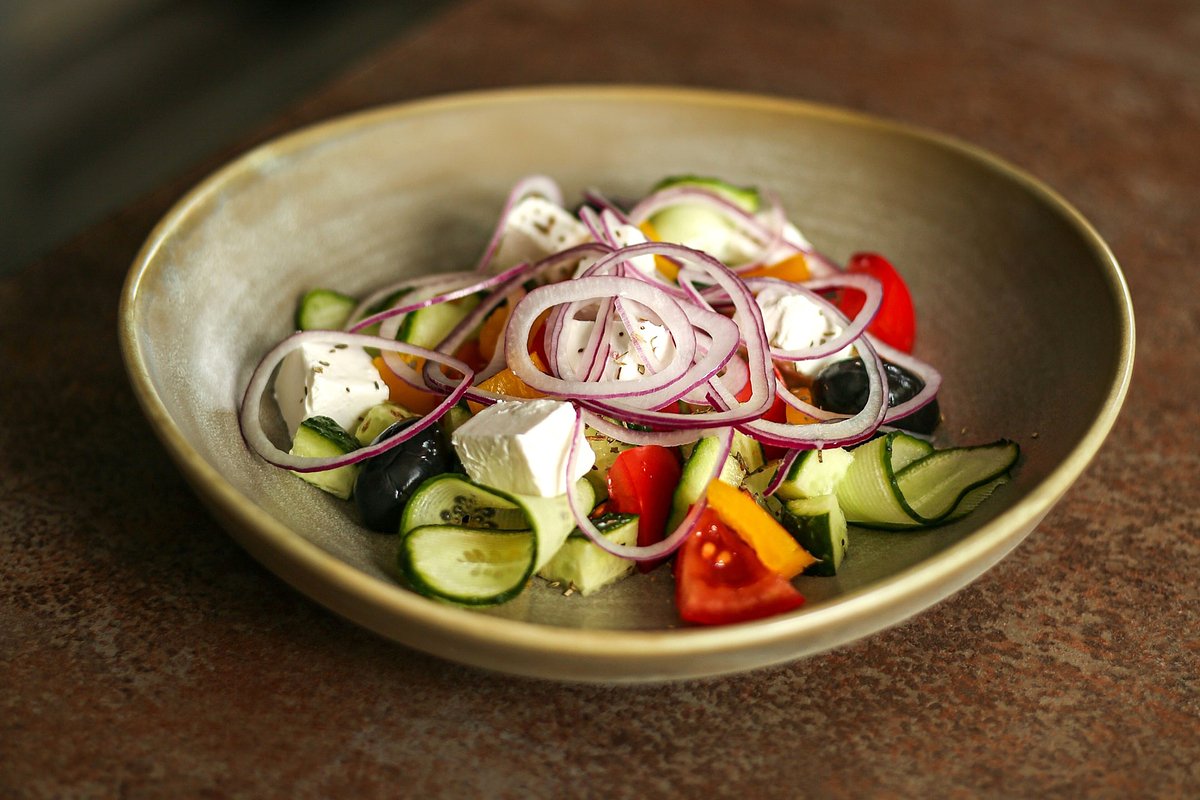
According to another version, restaurant owners in Athens invented the salad to charge tourists higher prices. Because the government regulated the prices of basic tomato and cucumber salads, adding a block of feta cheese allowed restaurateurs to set prices at their own discretion.
Horiatiki gradually spread throughout Greece and across the world. Overseas Greek restaurants, migration, and rising interest in the Mediterranean diet contributed to its popularity. American scientists Ancel Keys and Margaret Keys introduced the Mediterranean diet to the world in 1975.
The popularity of the dish led to regional adaptations. In Western Europe, chefs replace feta cheese with other varieties. In the United States, cooks add lettuce and carrots to the salad. In Asian countries such as Japan and South Korea, chefs reduce the salt content in feta and include seasonal greens.
Nutritional Value Per 100 Grams
Nutritional values for Greek salad vary depending on the amount of oil used and the fat content of the chosen cheese. Per 100 grams of product, the salad contains:
- Caloric value: 90 to 145 kilocalories
- Proteins: 2.2 to 6 grams
- Fats: 7 to 13 grams
- Carbohydrates: 1.8 to 4.5 grams
- Fiber: 0.6 to 1.4 grams
- Salt: 0.5 to 1.4 grams
Classic Greek Salad Preparation
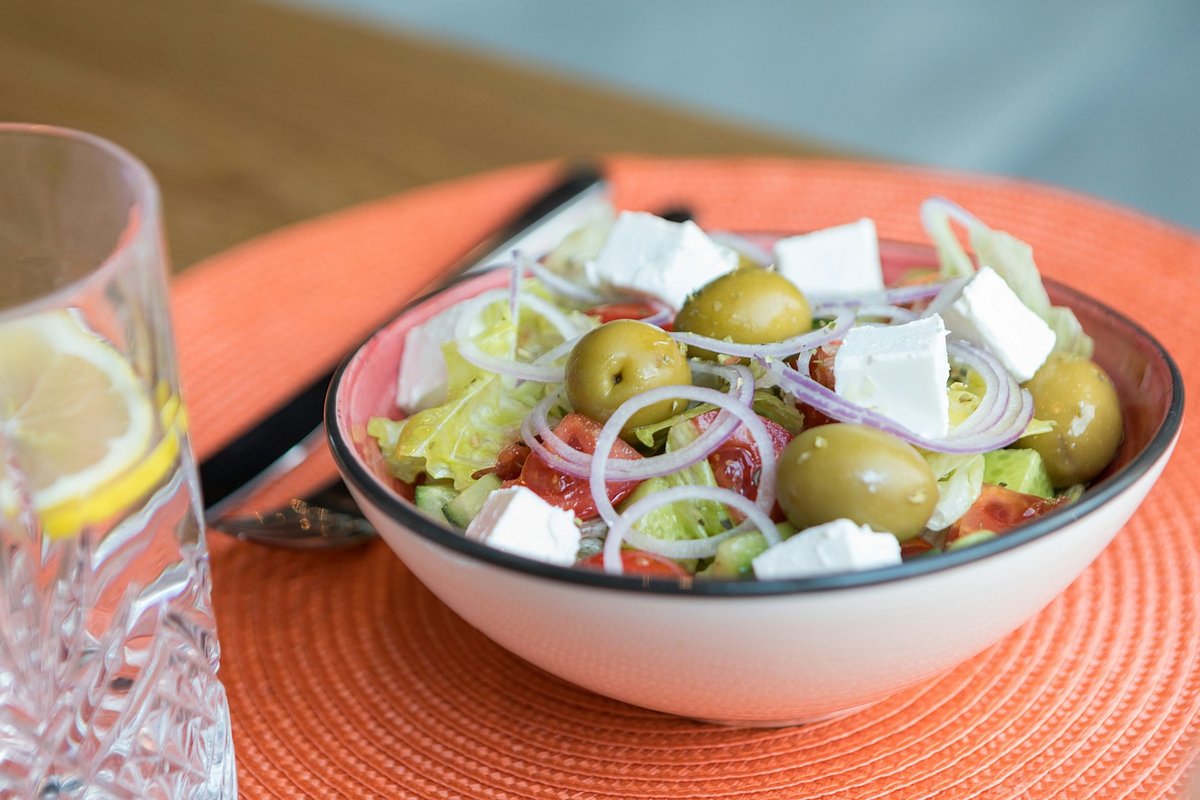
According to one version, the classic Greek salad was created in the 1960s in Athens. The classic preparation omits lemon juice and vinegar dressings, relying entirely on olive oil, salt, and oregano. The dish is served alongside fresh hot bread.
Ingredients for the classic version include 2 ripe tomatoes, 1/2 cucumber, 1 onion, 1 green bell pepper, 150 to 200 grams of feta cheese, 10 to 12 pitted black olives, 3 to 4 tablespoons of Extra Virgin olive oil, 1/2 teaspoon of dried oregano, salt to taste, and a small bunch of fresh parsley.
To prepare the dish, cut the tomatoes, cucumber, onion, and bell pepper into large slices without chopping them finely. Place the vegetables in a deep bowl and add salt. Add large pieces of feta, pitted olives, chopped parsley, and dried oregano. Pour Extra Virgin olive oil generously over the mixture, stir, and serve immediately.
If feta cheese is unavailable, several alternative cheeses can replace it:
- Bryndza serves as the closest substitute in texture and saltiness. If it is overly salty, soak it in cold water for 20 to 30 minutes to reduce salt while preserving tenderness.
- Adygea cheese is less salty with a curd texture, making it suitable for those who prefer mild saltiness.
- Mozzarella balls provide a mild flavor that requires extra salt, but offer a pleasant texture without needing to be sliced.
- Sulguni is slightly salty and dense rather than crumbly, requiring thin slices. It pairs well with greens and olive oil despite differing in texture from feta.
- Tofu provides a non-dairy soy curd option for vegans.
Greek Salad with Red Wine Vinegar
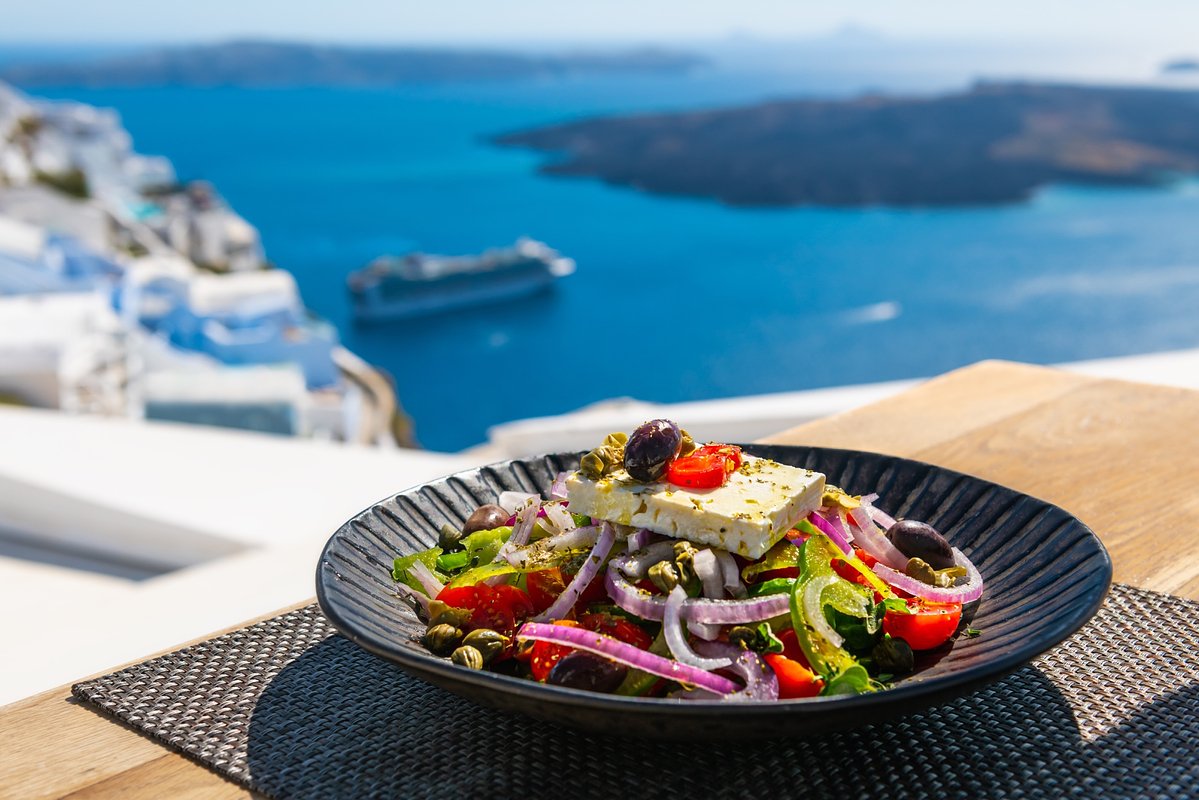
In some recipes, cooks add capers or anchovies to Greek salad.
Ingredients for this variation include 1 large ripe tomato, 1 cucumber, 1 green bell pepper, 1/2 red onion, 8 to 10 Kalamata olives with pits, 100 grams of feta in a single piece, 1 teaspoon of dried oregano, 4 tablespoons of Extra Virgin olive oil, 1 tablespoon of red wine vinegar, and a pinch of salt.
To prepare the salad, peel the cucumber and cut it into 1-centimeter slices. Cut the bell pepper into 1-centimeter squares and slice the red onion into thin half-rings, placing all three in a bowl. Cut the tomato in half and then into uneven slices directly over the bowl to collect all juices. Add olive oil, vinegar, salt, and oregano before mixing. Break or slice the feta block directly over the salad, then drizzle with additional olive oil and sprinkle with oregano.
Greek salad is served with bread or rusks to collect juice from the bottom of the plate. Greeks call the practice of wiping the plate completely clean with bread papara, which is regarded as a compliment showing the meal was delicious rather than poor etiquette.
Spinach and Lemon Dressing Variation
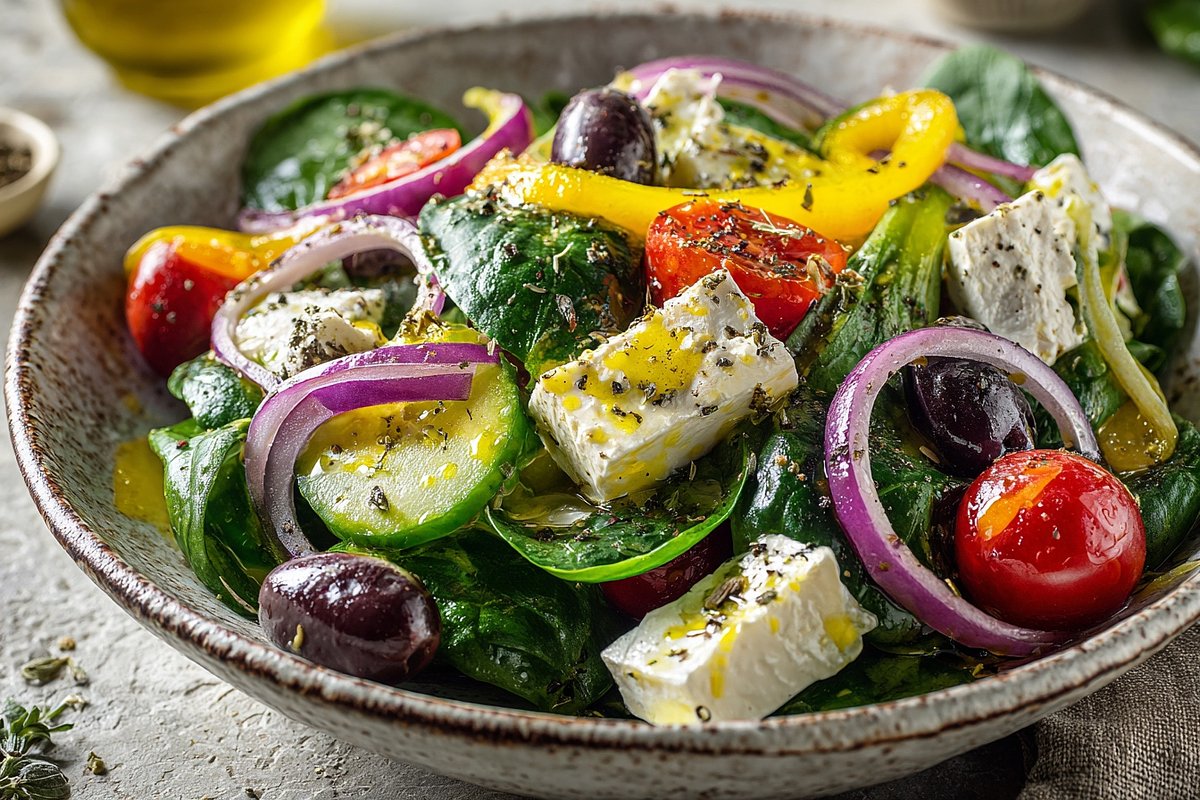
This variation yields a greener, lighter salad than classic Horiatiki while retaining olives, feta, and vegetables without heavy elements.
Ingredients for the salad include 1 bunch of fresh spinach, 1 head of romaine lettuce, 60 grams of feta, 1/2 onion, 12 pitted black olives, 1/2 sweet pepper, 3 medium tomatoes, and 1/2 cucumber. The dressing requires 3 tablespoons of olive oil, 1 tablespoon of lemon juice, 1 teaspoon of marjoram, salt, and pepper.
To prepare the dressing, combine olive oil, lemon juice, salt, and pepper in a tightly sealed jar and shake vigorously until uniform. Tear the lettuce and spinach into small pieces, slice the cucumber into thin half-circles, and cut the feta into cubes. Seed the pepper and slice it into rings alongside the onion. Slice the tomatoes and chop the marjoram. Combine all components in a large salad bowl, pour the lemon dressing over them, mix gently, and optionally add extra lemon juice before serving.
Greek Salad with Chicken Breast
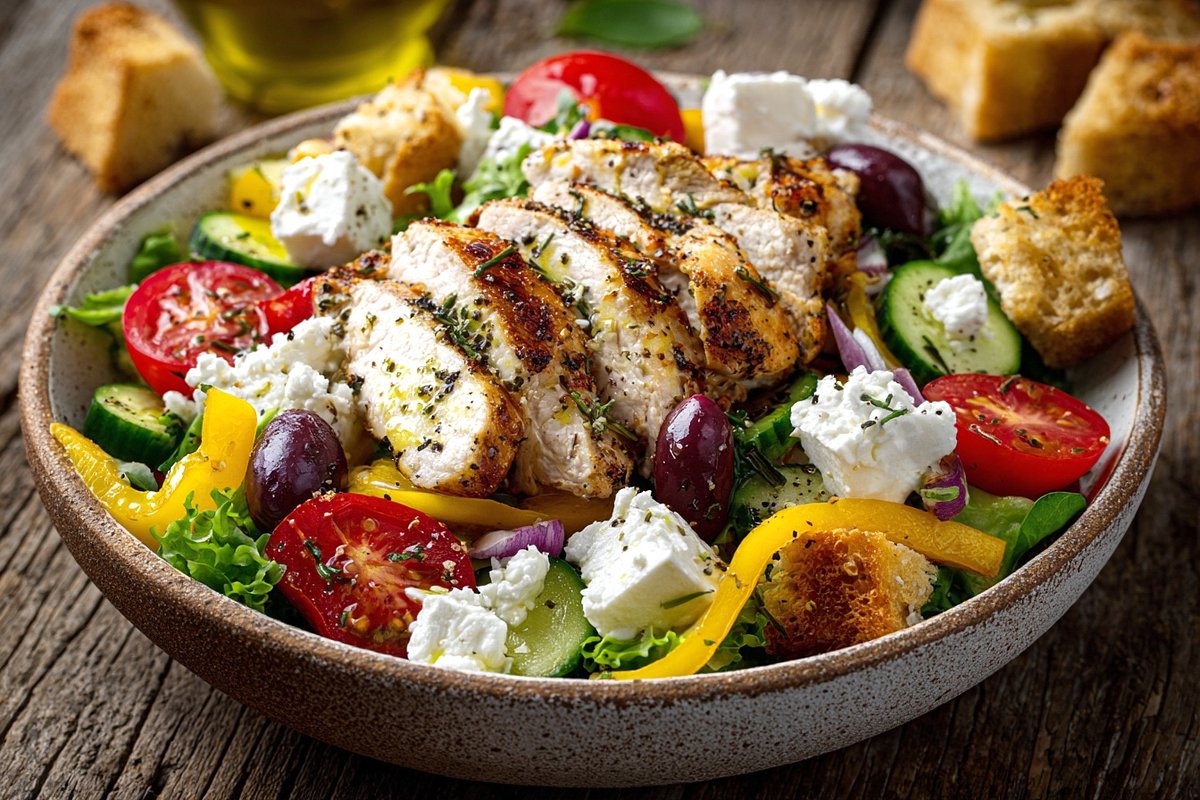
Adding tender chicken meat makes the classic Greek salad more filling.
Ingredients include 400 grams of bone-in chicken breast with skin, 100 grams of Fetaxa cheese, 1/2 head of iceberg lettuce, 150 grams of black olives, 2 fresh cucumbers, 2 tomatoes, 1/2 bell pepper, 1/2 Yalta onion, 2 tablespoons of olive oil, 2 teaspoons of dried oregano, salt, and croutons.
Wash and dry the cucumbers and tomatoes, then remove seeds and membranes from the bell pepper. Cut all vegetables into large cubes. Slice the peeled onion into thin half-rings and cut the Fetaxa cheese into cubes. Halve the black olives and remove pits if needed. Separate, wash, and dry the lettuce leaves, tear them into large pieces, and arrange them on a flat dish.
Rinse the chicken breast and boil it in a pot of salted and peppered water for 20 minutes after boiling on medium heat, skimming off foam. Allow the meat to cool inside the broth. Separate the meat from the bone and skin, then dice or shred it into fibers. Lay the chicken, tomatoes, bell pepper, onion half-rings, and cucumbers over the lettuce leaves. Add cheese, olives, oregano, and salt, dress with olive oil, and sprinkle with croutons before serving.
Bryndza and Cilantro Version
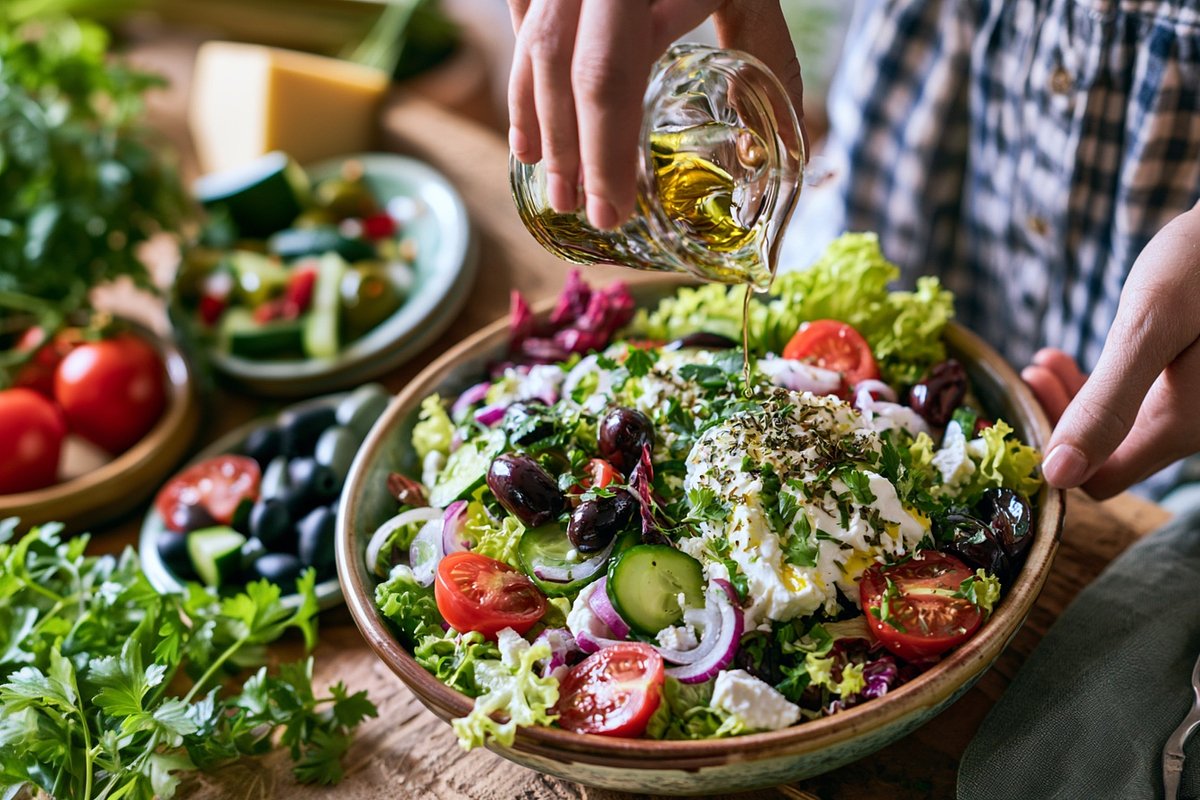
This zesty variation combines salty bryndza cheese with fresh cilantro and spicy dressing.
Ingredients for the salad include 150 grams of olives, 1 bunch of lettuce, 4 fresh cucumbers, 150 grams of black olives, 2 red onions, 600 grams of tomatoes, 1 bunch of fresh cilantro, 1 teaspoon of dried oregano, and 200 grams of bryndza cheese. The dressing uses 1 minced garlic clove, 15 grams of fresh basil leaves, 5 to 6 tablespoons of olive oil, 1 teaspoon of sweet mustard, salt, ground black pepper, 1 teaspoon of lemon juice, and 2 teaspoons of balsamic vinegar.
Slice the red onions into thin half-rings, place them in a bowl with oregano, vinegar, and olive oil, then cover and marinate in a warm place for 1 hour. To prepare the dressing, combine olive oil, balsamic vinegar, lemon juice, mustard, minced garlic, thinly sliced basil, salt, and pepper in a separate container and mix thoroughly. Wash, dry, and coarsely tear the lettuce. Slice tomatoes into thin wedges and cucumbers into rounds. Combine vegetables, olives, black olives, and marinated onion in a bowl. Add diced bryndza, pour the dressing, and garnish with fresh cilantro.
Adygea Cheese Recipe
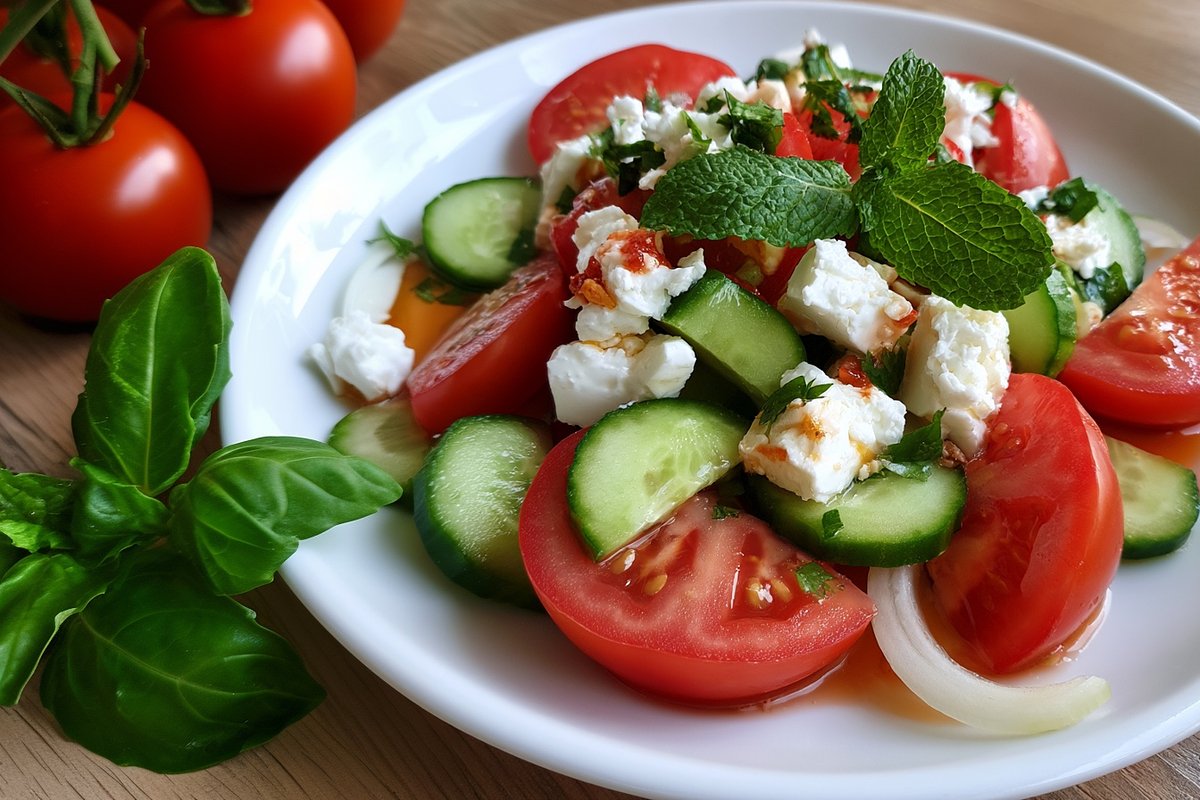
Soft Adygea cheese creates a lighter salad that complements fresh vegetables without masking their taste.
Ingredients include 500 grams of tomatoes, 350 grams of bell pepper, 400 grams of fresh cucumbers, 150 grams of onion, 200 grams of Adygea cheese, 150 grams of black olives, 4 tablespoons of olive oil, 2 tablespoons of lemon juice, salt, ground black pepper, and fresh herbs.
Dice the tomatoes, cut cucumbers into half or quarter rounds, and slice seeded bell peppers into strips. Slice peeled onions into medium half-rings. Combine tomatoes, cucumbers, pepper, and onion in a salad bowl, add salt, and mix. In a small bowl, whisk olive oil, lemon juice, salt, and pepper. Pour dressing over the vegetables, mix thoroughly, add diced Adygea cheese, and top with black olives and a sprig of fresh herbs.
Arugula and Iceberg Salad
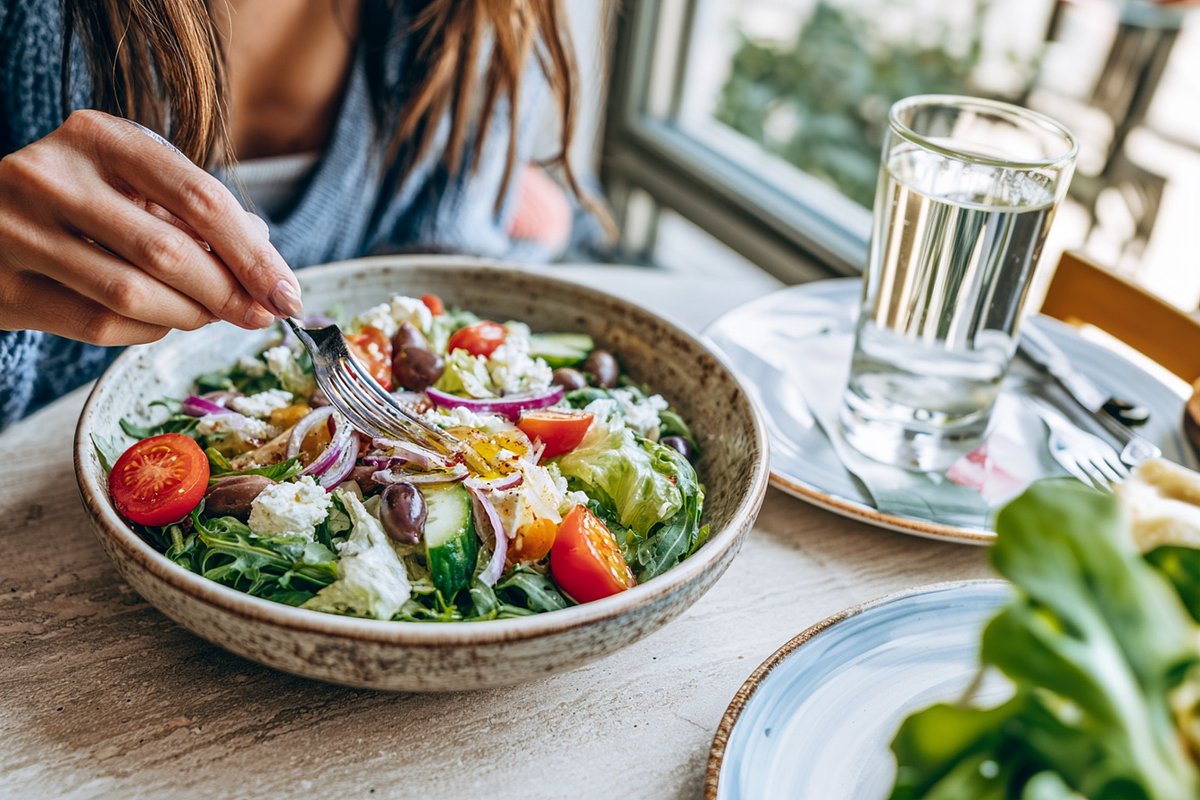
Arugula adds peppery bitterness while iceberg lettuce provides crunch. Arugula can be replaced with spinach or a mixed greens blend.
Ingredients include 1 medium cucumber, 50 grams of arugula, 200 grams of iceberg lettuce, 180 grams of bell pepper, 200 grams of feta cheese, 1/2 red onion, 70 grams of pitted black olives, 100 grams of cherry tomatoes, 3 tablespoons of Extra Virgin olive oil, 1 teaspoon of dried basil, juice of 1 lemon, salt, ground black pepper, and 1 tablespoon of black sesame seeds.
Tear or coarsely chop the iceberg lettuce and place it in a deep bowl with the arugula. Cut the bell pepper into small pieces, quarter the cherry tomatoes, and cut the cucumber into large pieces. Slice the red onion into half-rings and halve the black olives before adding them to the bowl. Top with cubed feta cheese. To make the dressing, combine dried basil, olive oil, lemon juice, salt, and pepper in a deep container and mix well. Sprinkle the salad with black sesame seeds, drizzle with dressing, and serve immediately.
Expert Tips for Making Greek Salad
Aleksandra Razumovskaya outlined key rules for preparing Greek salad correctly. Add tomatoes at room temperature only. In Greece, cold temperatures are believed to destroy tomato flavor and aroma, so tomatoes are not kept in the refrigerator.
In contrast, cucumbers should be chilled prior to serving to enhance freshness and crunch. Peeling the skin and scraping out seeds with a teaspoon makes cucumber flavor brighter.
In authentic Greek salad, vegetables are cut into large cubes to make the salad look heartier and more appetizing. Traditional recipes specify black Kalamata olives. If Kalamata olives are unavailable, select any olives packed in oil rather than brine, as oil-packed olives are softer and richer in flavor.
Marinate onions in red wine vinegar for several minutes to remove bitterness. Sweet Yalta onions are preferred, though standard red onions can also be used.
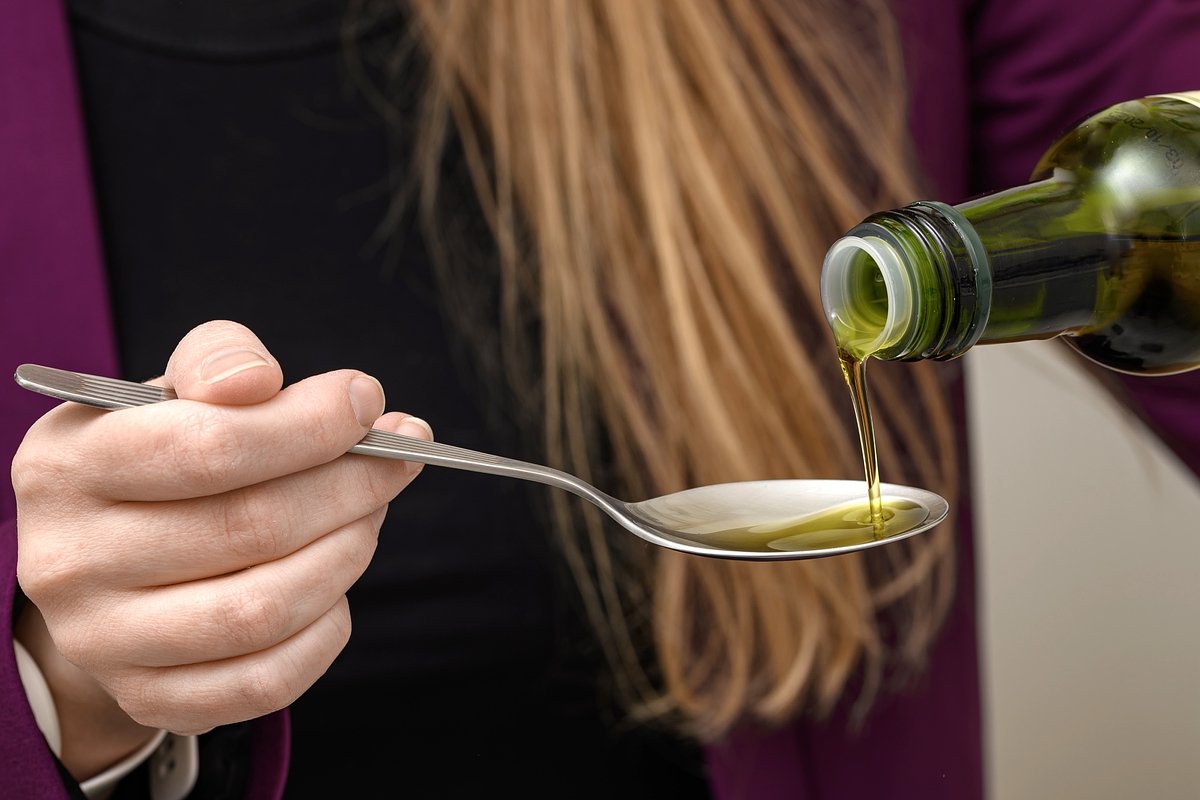
For dressing, use high-quality Extra Virgin olive oil obtained from the first cold pressing. Store olive oil in a dark cupboard away from the stove, as light and heat degrade its quality.


