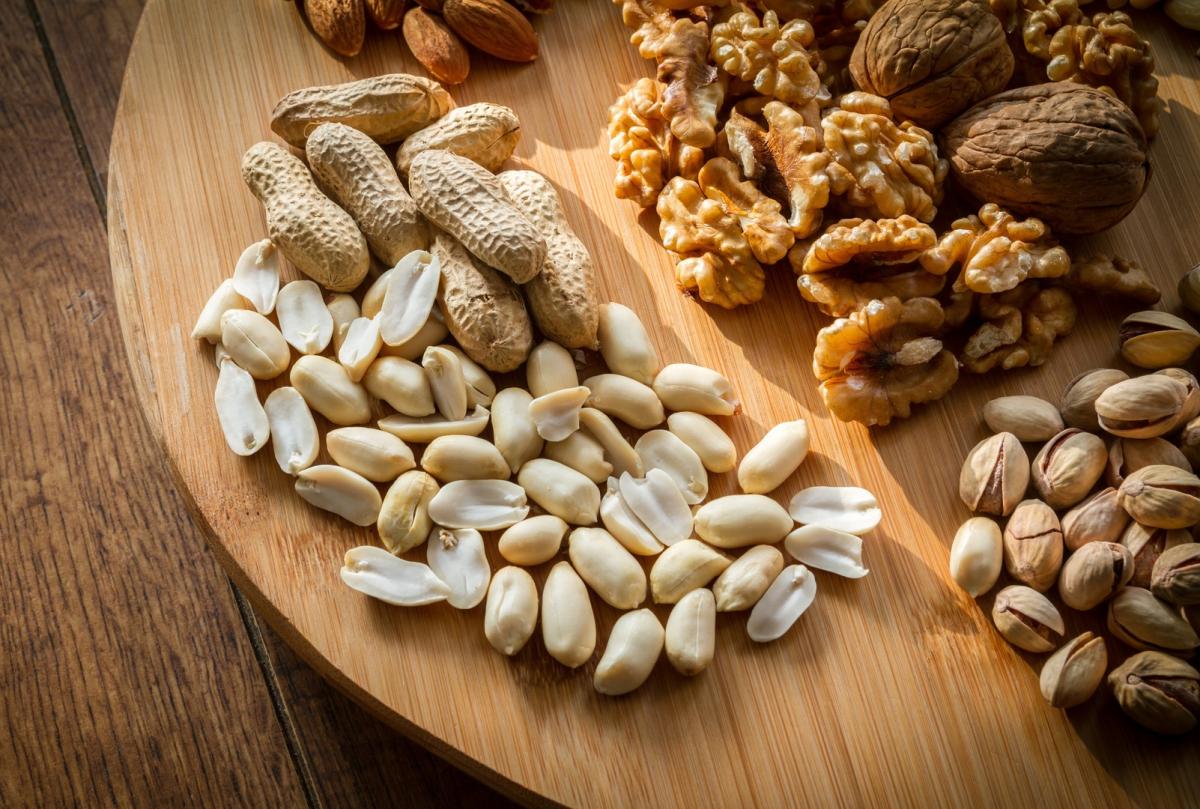
People looking to boost their protein intake often turn to meat, fish, or plant sources like tofu, avocados, and beans, but nutrition experts say several common nuts and seeds can rival the protein content of a single egg.
A standard egg provides about six grams of protein. However, according to lifestyle publication Martha Stewart, dietitians have noted that a 28-gram serving of peanuts, almonds, pistachios, hemp seeds, pumpkin seeds, or sunflower seeds can offer the same amount or more.
Protein is a fundamental macronutrient, alongside carbohydrates and fats, that is required by the human body in large amounts. It is essential for building and repairing cells and tissues, supports bone strength, and serves as a vital energy source.
Daily protein requirements
Daily protein requirements vary based on an individual's age, sex, and physical activity levels, but general nutritional guidelines recommend a baseline daily intake of around 50 grams for the average adult.
Dietitian Mika Siva said she aims to consume between 21 and 30 grams of protein in each meal, alongside seven to 14 grams for every snack.
Beyond their protein content, nuts and seeds are rich in dietary fiber, vitamins, minerals, and healthy fats. Dietary fiber is a plant-based carbohydrate that passes through the digestive system relatively intact, helping to regulate hunger and blood sugar levels.
Kristen Smith, a registered dietitian and master of science, recommended selecting unsalted and unsweetened varieties of nuts and seeds to reap their full nutritional value. She warned that excessive amounts of added sugar or salt can transform an otherwise nutritious food into a hidden source of empty calories and sodium.
Peanuts and hemp seeds
Peanuts offer one of the highest protein yields in this category, with a 28-gram serving delivering seven grams.
Siva explained that peanuts are technically classified as a legume crop, much like lentils, which is one reason they contain a higher concentration of protein compared to tree nuts.
Peanuts also provide monounsaturated and polyunsaturated fats, fiber, magnesium, vitamin E, niacin, biotin, and manganese. Vitamin E is a fat-soluble nutrient with antioxidant properties, while magnesium supports muscle and nerve function.
In addition, peanuts contain resveratrol, a polyphenol compound also found in the skin of red grapes, and phytosterols, which are plant compounds that can help manage cholesterol absorption in the digestive tract.
However, Smith cautioned that peanuts should not be relied upon as the sole protein source in a meal, particularly for people with elevated protein requirements.
Siva added that a person would need to consume a massive portion of nuts to meet their daily protein goals. She advised those looking to increase their intake to incorporate a wider variety of foods beyond just peanuts.
Hemp seeds provide an even higher concentration, boasting about 10 grams of protein per 28-gram serving.
They are considered a complete protein source, meaning they contain all nine essential amino acids. The human body uses 20 different amino acids to form proteins, but nine are considered essential because the body cannot produce them on its own and must obtain them through diet.
Siva noted that hemp seeds are distinctive for their omega-3 fatty acids, which are crucial for brain function and heart health. She said this makes them an excellent option for vegetarians and those who do not eat fish.
A slightly larger 30-gram serving of hemp seeds also contains about 210 milligrams of magnesium.
Almonds and pistachios
Almonds and pistachios both match the six grams of protein found in an egg per 28-gram serving.
Smith described almonds as a nutrient-dense source of protein that offers healthy fats, dietary fiber, magnesium, and vitamin E.
She said these components have several health benefits, including improving heart health and helping to control blood sugar levels. While almonds provide as much protein as an egg, Smith stressed that a typical serving is rarely sufficient to meet the protein needs of a full meal.
Pistachios also supply all nine essential amino acids, alongside polyphenols and antioxidants such as lutein, zeaxanthin, and vitamin E. Lutein and zeaxanthin are two carotenoids widely known for being highly concentrated in the macula of the human eye and supporting vision health.
Smith referenced research published in the peer-reviewed journals Nutrients and Current Medicinal Chemistry indicating that these nutrients help protect against chronic diseases. Nutrients is an open-access journal of human nutrition, while Current Medicinal Chemistry covers developments in rational drug design.
Pumpkin and sunflower seeds
Pumpkin seeds deliver nearly seven grams of protein per 28-gram portion.
Smith called pumpkin seeds an excellent source of plant protein, magnesium, and healthy fats, primarily omega-6 fatty acids and some monounsaturated fats. Omega-6 fatty acids are essential polyunsaturated fats that the body uses for energy and cellular function.
They also contain zinc and the essential amino acid tryptophan. The body uses tryptophan to help produce serotonin, a neurotransmitter that regulates mood, and melatonin, a hormone that regulates sleep cycles.
Finally, sunflower seeds provide roughly 5.8 grams of protein per serving, providing nearly as much as an egg.
Smith said sunflower seeds provide a significant amount of plant protein and are a valuable addition to any plant-based diet designed to increase protein consumption.
Sunflower seeds also offer an antioxidant effect through their content of flavonoids, phenolic acids, selenium, magnesium, and vitamin E, which help protect cells from damage caused by free radicals.
Health experts frequently highlight the importance of balancing protein, fiber, and water content to maintain satiety and support weight management. The Ukrainian news agency UNIAN recently noted that foods like broccoli, asparagus, watermelon, eggs, and Greek yogurt can help people feel full longer without consuming excessive calories.