

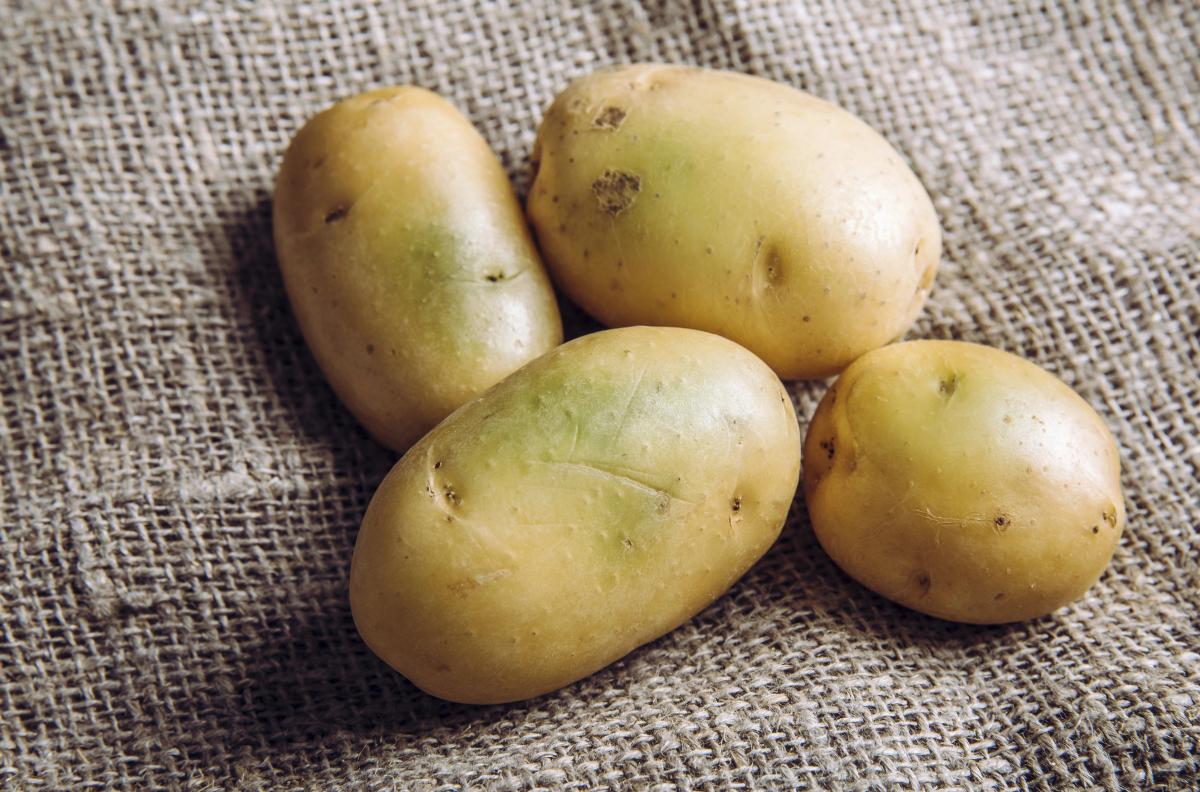
Potatoes that turn green under kitchen or store lighting are not automatically ruined and remain safe to eat if trimmed, food technology expert Anne Wolf said.
Reporting in Martha Stewart, Wolf explained that while green skin signals the presence of natural plant toxins, the discoloration itself is caused by harmless chlorophyll rather than poison.
The green tint develops whenever tubers are exposed to light, whether from direct sunlight, overhead kitchen bulbs, or cold fluorescent fixtures on supermarket display shelves. Light stimulates the production of chlorophyll, the green pigment responsible for photosynthesis in plant leaves, which poses no health risk to consumers.
However, light exposure simultaneously triggers a separate defense mechanism inside the potato. Rays prompt the tuber to synthesize glycoalkaloids, including a toxin known as solanine, which the plant produces to protect itself against physical damage, aging, and external threats in nature. As members of the nightshade family, potatoes naturally maintain low concentrations of these protective chemical compounds within their tissues.
Wolf stressed that green pigment and toxin concentration do not share a direct proportional relationship. Instead, light initiates both processes at the same time. The green shade acts as a visual warning indicator that harmful substances may have accumulated, but it does not serve as an exact measurement of toxicity levels.
Identifying when green potatoes are safe
Glycoalkaloids concentrate heavily in the potato skin and the thin layer of flesh directly beneath it. This transformation can occur rapidly on retail store displays, particularly when potatoes are displayed in open containers or mesh bags directly underneath bright commercial lighting.
According to the industry association Potatoes USA, the threshold of solanine required to cause actual health harm significantly exceeds the amount found in a standard potato bearing a small green spot. When discoloration is confined to a tiny area and the tuber remains firm and dense, it remains safe to prepare after cutting away the green skin and the underlying flesh layer generously. Wolf noted that the remaining portion of the potato is entirely suitable for consumption once thoroughly trimmed.
Potatoes USA operates as the national marketing and promotion board for potato growers, tracking crop handling standards, nutrition research, and consumer safety practices across the agricultural sector.
Consumers must throw potatoes away when green discoloration covers the majority of the tuber, or when the potato becomes soft, wilted, or flabby. Any potato emitting a suspicious odor or exhibiting a bitter taste after thermal processing should also be discarded immediately.
Bitterness serves as an unmistakable indicator of contamination, as glycoalkaloids themselves carry an inherently bitter taste. If an unpleasant bitter flavor persists after boiling, consumers should not risk their health by eating the meal.
Debunking cooking myths and handling sprouts
Potatoes that display both green skin and active sprouts present a heightened risk. Toxin concentrations reach their peak inside emerging sprouts, making it necessary to discard the entire tuber without hesitation rather than attempting to trim away affected parts.
Wolf also dispelled a widespread misconception regarding heat preparation. Unlike many biological food safety hazards, glycoalkaloids resist heat degradation. Extended boiling, crisp frying, and baking fail to neutralize or breakdown these toxic compounds. Physical removal of all green tissue prior to cooking remains the only reliable method to render the potato safe.
Storage techniques to prevent discoloration
Preventing green discoloration requires controlling light exposure and storage environments. Potatoes should be kept in a dark, cool space with effective air circulation, such as a pantry, cellar, or closed cabinet.
Home cooks should avoid storing potatoes adjacent to onions. Onions emit volatile organic compounds that accelerate sprouting and hasten spoilage in nearby tubers.
Wolf recommended maintaining storage temperatures between 7 and 10 degrees Celsius. This temperature range is cooler than standard room conditions while avoiding cold damage that ruins flavor profile and starch composition. Tubers should be stored in breathable containers such as paper bags, cardboard boxes, or woven baskets. Plastic bags trap moisture, accelerating decay and mold growth.
Regular inspection of stored potatoes allows cooks to spot tiny sprouts or pale green spots early, allowing them to trim and salvage the vegetable before it spoils completely. The guidance follows earlier advice on identifying spoiled sliced watermelon, where key signs of deterioration included mold growth, a sour odor, slimy or soft flesh, and abnormal color shifts.


