

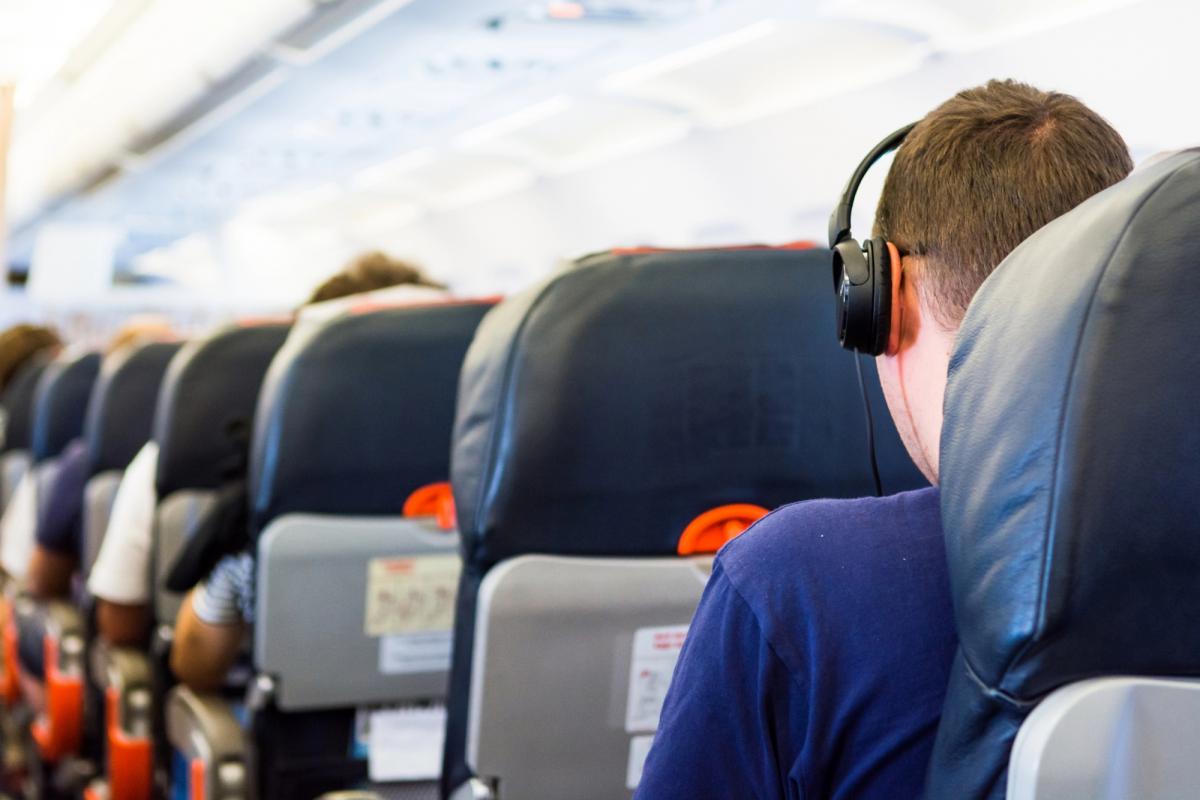
A 29-year-old passenger returning home from a business trip refused to swap his pre-booked aisle seat with another traveler, according to a report by Express.
The traveler had specifically reserved the aisle location in advance because he needed extra legroom to stretch his legs throughout the flight due to his height.
His flight was interrupted after boarding when another male passenger noticed he was sitting alone and approached him to ask for a favor. The man asked if they could exchange seats so he could sit next to his girlfriend, who was occupying a window seat, while his assigned place was a middle seat toward the back of the aircraft.
Airlines routinely allow passengers to select specific seats during the booking process, often charging additional fees for desirable positions such as aisle access or rows near the front. Legroom constraints in standard economy cabins frequently lead travelers to pay extra to secure comfortable seating prior to departure.
Upon inspecting the proposed replacement seat, the 29-year-old traveler determined that it was among the worst seats on the plane. He apologized to the passenger and explained that he had purposefully booked his current seat in advance.
The requesting passenger became irritated by the refusal and insisted that he was simply trying to sit beside his girlfriend. The traveler acknowledged the man's desire to sit with his partner, but politely clarified that he was not prepared to sacrifice his own personal comfort.
Cabin argument requires crew intervention
When questioned about why he needed an aisle seat while flying alone, the traveler replied that he had paid for the seat and explained that this was how seat bookings functioned. The other passenger then called him an insensitive loner, a remark the traveler noted was humorous given that the man was attempting to guilt-trip him into accepting a less desirable location.
The confrontation concluded when a flight attendant intervened in the cabin. The crew member ordered the passenger to return to his assigned seat or face removal from the flight before departure.
Flight attendants are legally empowered to enforce seating arrangements and manage cabin order before an aircraft departs. Passengers who refuse to follow safety instructions or crew directives risk being escorted off the aircraft by ground staff or security officers.
The traveler later shared the experience on the social media platform Reddit, where numerous users expressed support for his decision not to give up his seat. Other members of the online community subsequently shared their own stories involving demanding behavior from fellow passengers during flights.
Travelers recount similar seating disputes
One commenter recalled a 12-hour flight from South Korea to Toronto where a male passenger refused a similar request to swap seats. The man's girlfriend began crying loudly until another nearby passenger agreed to exchange places, a reaction that the commenter criticized as giving in to manipulative behavior.
Another female traveler described an incident where a woman took a window seat in her row and asked whether she would swap with her boyfriend, who was seated in a middle seat in another row. The traveler refused, observing that if the couple wanted to sit together, the girlfriend could have offered her own window seat to someone else in exchange for an equivalent spot rather than expecting others to downgrade.
When the traveler declined the request, the woman remarked that asking did not hurt. The traveler noted that while asking was acceptable, passengers should not expect others to worsen their own conditions to grant an unearned upgrade.
Broader airline issues and passenger habits
In other travel news reported by UNIAN, a pilot in Greece recently presented passengers with an unexpected choice after informing them that the aircraft was too heavy. The pilot stated that a portion of the checked baggage would need to be left behind to ensure flight safety.
Additionally, recent traveler surveys indicate that tourists consider overpacking to be their most common mistake during trips, with higher rates reported than in previous years.


