

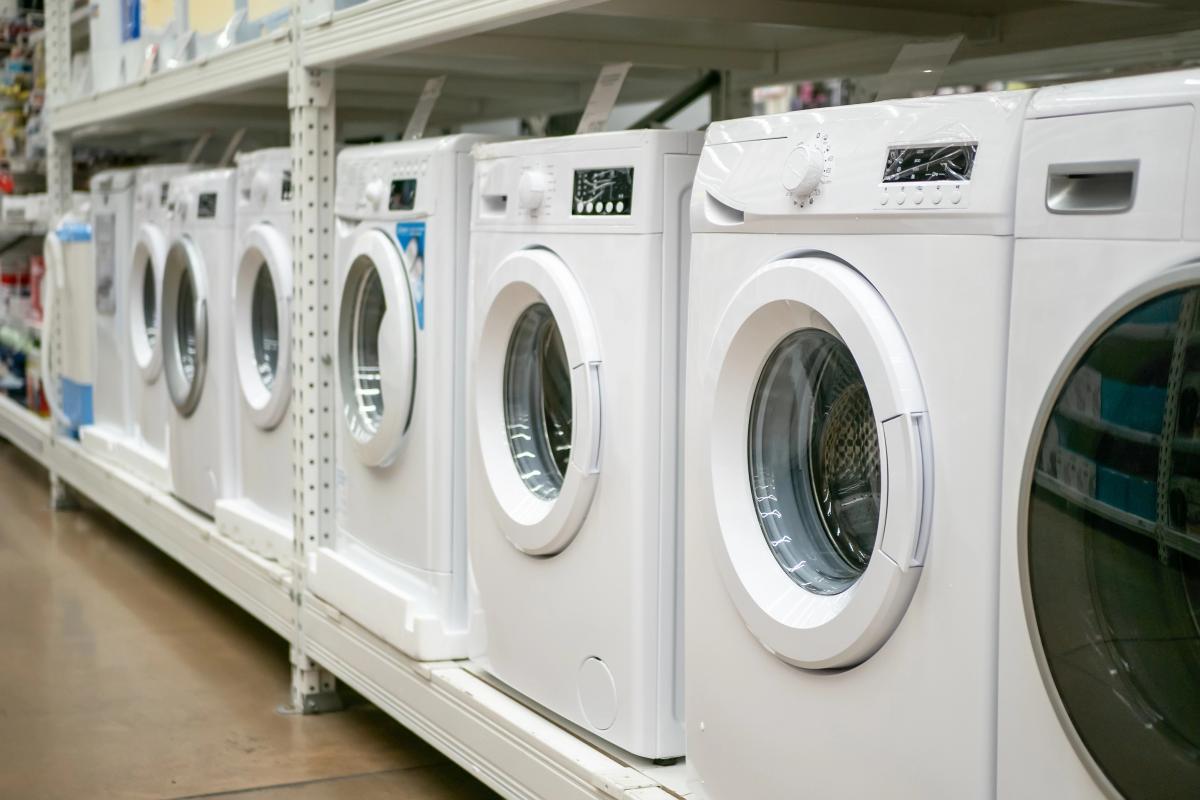
Washing machine owners can prevent costly breakdowns by cleaning the drain filter every two to three months, appliance repair technicians have advised.
According to a report by Hungarian publication Sokszínű Vidék, many common laundry appliance failures stem from neglecting routine maintenance on key internal components. While washing machines operate daily in most households, users frequently ignore their upkeep until the appliance fails to drain water properly, leaves clothing soaking wet, or emits foul smells.
Technicians noted that regular maintenance takes only a few minutes but can prevent major mechanical failures and extend the working life of household appliances.
The role of the drain filter
Technicians identified the drain filter as one of the most critical yet routinely ignored parts of a washing machine. Its primary function is ensuring that dirty wash water exits the machine without obstruction during the drain and spin cycles.
In standard front-loading washing machines, which feature a horizontal drum behind a glass door, the drain filter is positioned at the lower front base behind a small access flap. This location allows it to trap debris before waste water reaches the drain pump assembly.
During normal laundering, small items frequently slip out of pockets or detach from garments inside the drum. Objects such as hair, fabric lint, buttons, loose coins, paper tissue scraps, and hair elastics regularly collect inside the filter mechanism.
When debris clogs the filter, water encounters resistance as it attempts to drain out of the machine. As a result, wash cycles take significantly longer to finish, the spin cycle becomes less effective, laundry remains damp, and stagnant water creates unpleasant odours. In severe cases, the machine may halt mid-cycle and display an error code on its digital control screen.
How to clean a drain filter safely
Before beginning any filter maintenance, users must disconnect the washing machine from the electrical mains outlet to protect against electric shock. Technicians recommend placing a towel and a shallow container beneath the filter housing, as trapped water inside the pump chamber will spill out when the component is loosened.
If the appliance includes an emergency drain hose located next to the filter access door, users should unplug the hose plug and drain any residual water into a container first.
Once the residual water has been drained, the filter can be carefully unscrewed and pulled out. Homeowners should rinse the filter under warm tap water and wipe away grime inside the filter housing cavity. When reinstalling the filter, ensuring it is screwed back in tightly is crucial, as an improper seal can cause water to leak onto the floor during the next wash.
Maintaining door seals and detergent drawers
In addition to the drain filter, technicians highlighted the flexible rubber door seal as a primary site for dirt accumulation. The deep folds of the rubber gasket trap moisture, detergent residue, lint, and small objects. If the gasket is not dried regularly, damp conditions encourage the growth of mold, mildew, and musty smells, particularly around the bottom edge of the door opening.
The detergent dispenser drawer is another component prone to stubborn buildup. Residual laundry powder, liquid detergent, and fabric softener gradually form a hardened or slimy layer over time. This buildup generates foul odours and restricts internal water channels, reducing the efficiency of detergent delivery into the drum. Most dispenser drawers can be released by pressing an internal tab, allowing them to be washed with warm water and a brush.
Drum sanitisation and proper ventilation
Technicians also advise running a dedicated sanitising cycle for the washing machine drum on a periodic basis. Many modern appliances feature a built-in drum cleaning setting designed to dissolve internal residue. If an appliance lacks a dedicated drum clean setting, owners can follow the manufacturer guidelines to run an empty wash cycle at high temperature.
Allowing the machine to air out after completing laundry is equally vital for preventing mold and odour development. Leaving the main door and detergent drawer slightly open after a wash cycle enables internal surfaces to dry completely.
While maintenance needs vary depending on wash frequency, local water hardness, detergent usage, and whether pets live in the home, technicians recommend wiping the door seal after every wash, cleaning the detergent drawer every few weeks, and checking the drain filter at least once every two to three months.
This simple routine requires only a few minutes of effort and significantly lowers the chance of requiring costly professional repairs. The guidance follows a previous report by news agency UNIAN outlining seven common causes of refrigerator water leaks and how to resolve them.


