

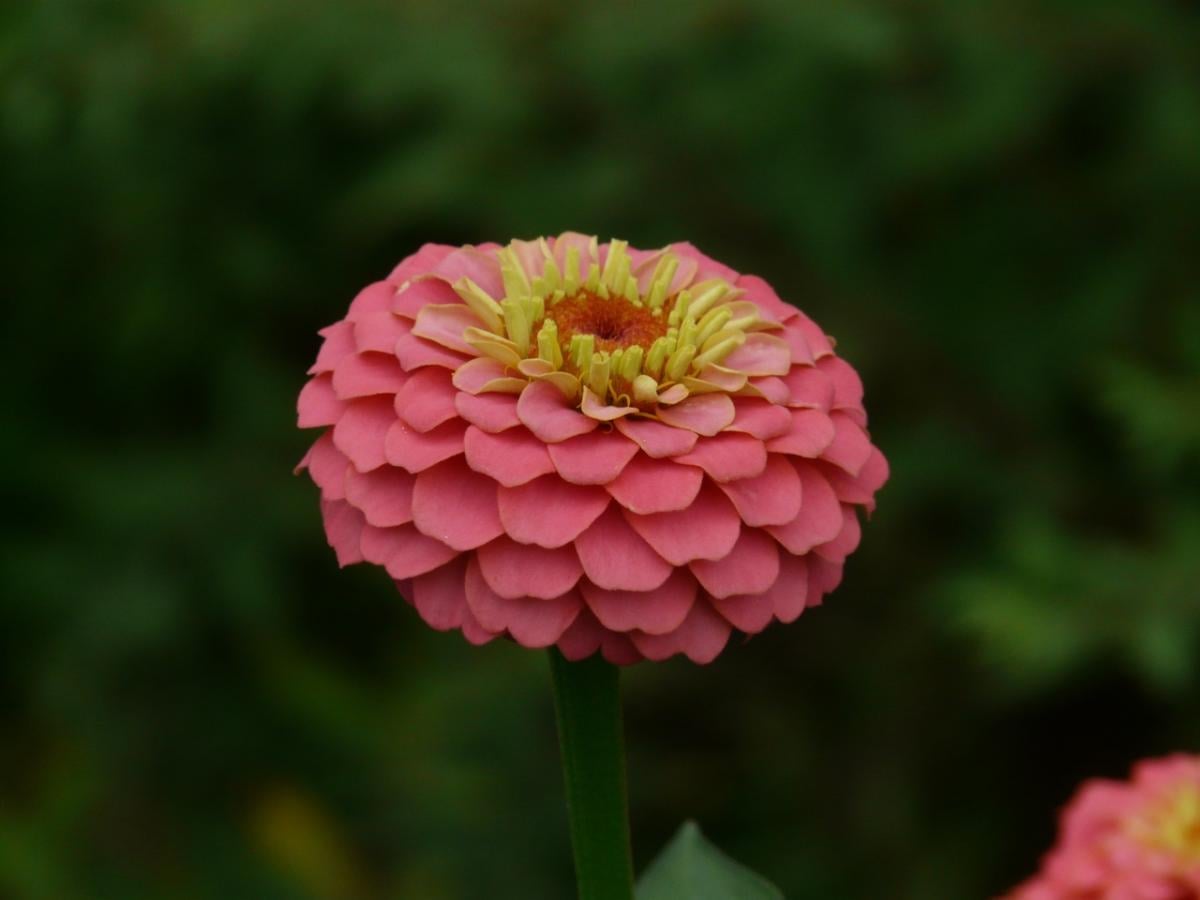
Gardening experts commenting on Martha Stewart's website have advised home growers to cut faded zinnia flowers to stimulate fresh growth and prevent disease.
Expert gardener Steven Engel said removing dead or spent zinnia blossoms helps the plant generate more flowers while maintaining a healthy and vibrant appearance. Pruning away old heads prompts the plant to redirect energy away from seed production and into forming new blooms, allowing gardens to quickly regain color.
Benefits of Deadheading Zinnias
Removing spent flowers provides several physical and structural advantages for the plant. Lisa Mason Ziegler, author of The Cut Flower Handbook, noted that trimming deadhead blossoms lightens the flower canopy. This structural reduction makes blooms significantly less likely to collapse under the pressure of wind or heavy rainfall.
Clearing away old growth also improves air circulation through the foliage, reducing the overall risk of diseases and pest infestations. Engel added that the practice lowers the likelihood of developing botrytis, an airborne fungus that thrives on dead organic matter and can cause severe plant rot. Botrytis fungi can spread rapidly through damp garden beds if infected tissue is left on the stem.
Signs and Routine Maintenance
Growers should remove faded flower buds as soon as the bloom begins to wither or when the outer edges of the petals start turning brown. Ziegler explained that as flowers age, their colors fade and they begin setting seeds. This process makes the stems heavier, causing them to hang lower on the plant under their own weight.
Older blossoms also frequently develop dark spots or visible insect damage. Ziegler added that the center cores of zinnia flowers typically age first and begin looking untidy. Pruning should start as soon as the very first buds finish blooming and must continue throughout the entire growing season. Experts recommended setting aside a regular weekly time, such as Saturday morning, to keep plants in peak condition.
Zinnias remain among the most resilient flowers in home gardens. The warm-season annuals can grow with minimal watering and endure high summer heat effectively. However, gardeners should monitor moisture levels carefully, as high humidity can cause zinnias to develop powdery mildew, a common fungal infection affecting plant leaves.


