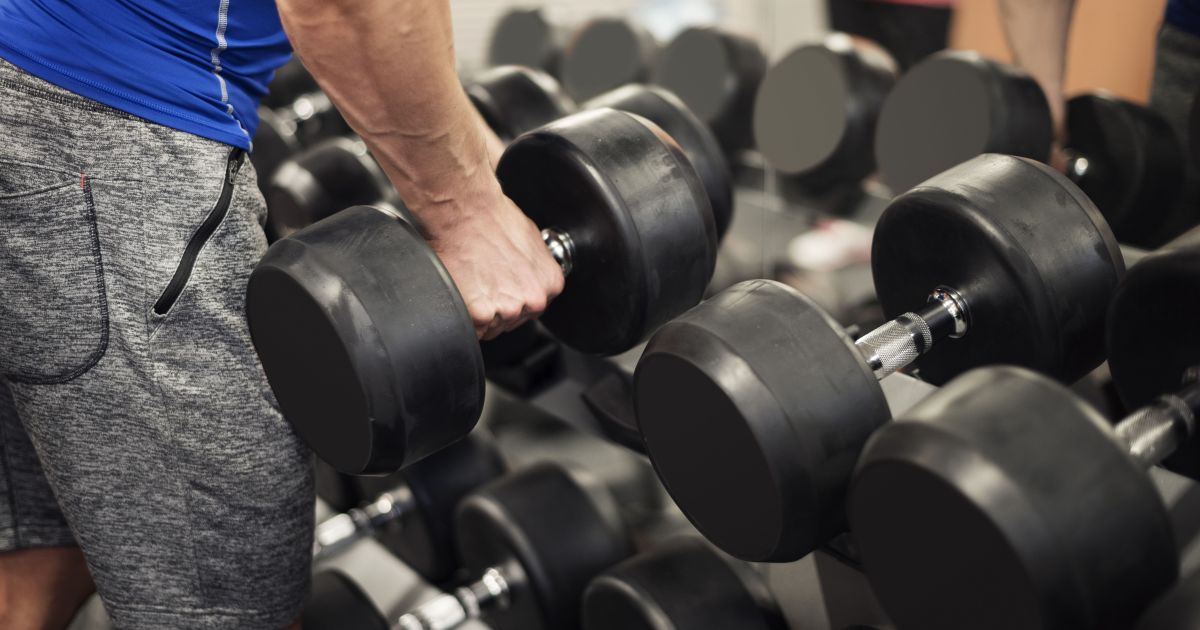
Physical therapists and personal trainers say many people who lift weights or attend physiotherapy sessions notice that one arm can "pull" more weight than the other, a pattern known as muscular asymmetry, according to specialists interviewed by CNN Brasil.
Muscular asymmetry refers to a difference in size, strength, endurance or motor control between the muscles on each side of the body. Dr. Giovana Soares Moreira, operational coordinator of physiotherapy at Hapvida, said the trait can come from movement-related habits or from neuromuscular factors, the relationship between the nervous system and the body's muscles.
Speaking to CNN Brasil on Wednesday, September 9, Moreira said the human body is not perfectly symmetrical and that small differences are expected and do not, on their own, necessarily point to a health problem. She said the real impact depends on the degree of the difference and how it relates to a person's function and any symptoms they experience.
Hapvida is one of Brazil's largest health-plan and healthcare operators, running its own network of hospitals and clinics across the country.
Sports and Daily Habits Play a Role
Lucas Florêncio, technical manager at the Smart Fit gym chain, said training history also shapes how much asymmetry develops. He added that everyday habits can reinforce the pattern further, such as always carrying a backpack on the same shoulder or sleeping on only one side of the body.
Florêncio said asymmetric sports, including tennis, football and combat sports, create large discrepancies between the two sides of the body. He said weightlifting is different: relying only on bilateral barbell exercises can mask the problem, because the stronger side compensates for the weaker one without the person noticing.
Smart Fit is a major gym chain operating across Latin America.
When Does It Become a Problem?
According to Moreira, anyone who experiences pain, altered sensation or a loss of movement during exercise should see a doctor. She also said it is not appropriate to force the weaker side of the body to bear a load it is not prepared for.
She said excessive load, particularly when combined with poor technique, progression that is too fast, or insufficient recovery, can increase the risk of overload and injury. For that reason, she said, load should be individualized and increased gradually.
How to Correct the Imbalance
Florêncio said the approach should start with the weaker side, and that people should avoid doing extra repetitions with the stronger side, since this can overload the dominant side and worsen the asymmetry.
He said the maximum number of repetitions reached by the weaker side should set the volume for the stronger side. If the left side fails on the eighth repetition, he said, the right side should also stop at eight, even though it can handle more weight. Over time, he said, this gives the weaker side a chance to catch up with the stronger one.
Moreira said there is no single timeline for improvement, since progress happens gradually and every body responds differently.
She said that in cases linked to strength or neuromuscular control, a suitable exercise program can help reduce the differences between the two sides. In some situations, she said, asymmetry can be significantly reduced, while in others, especially when structural factors or specific conditions are involved, complete symmetry may be neither necessary nor possible.