

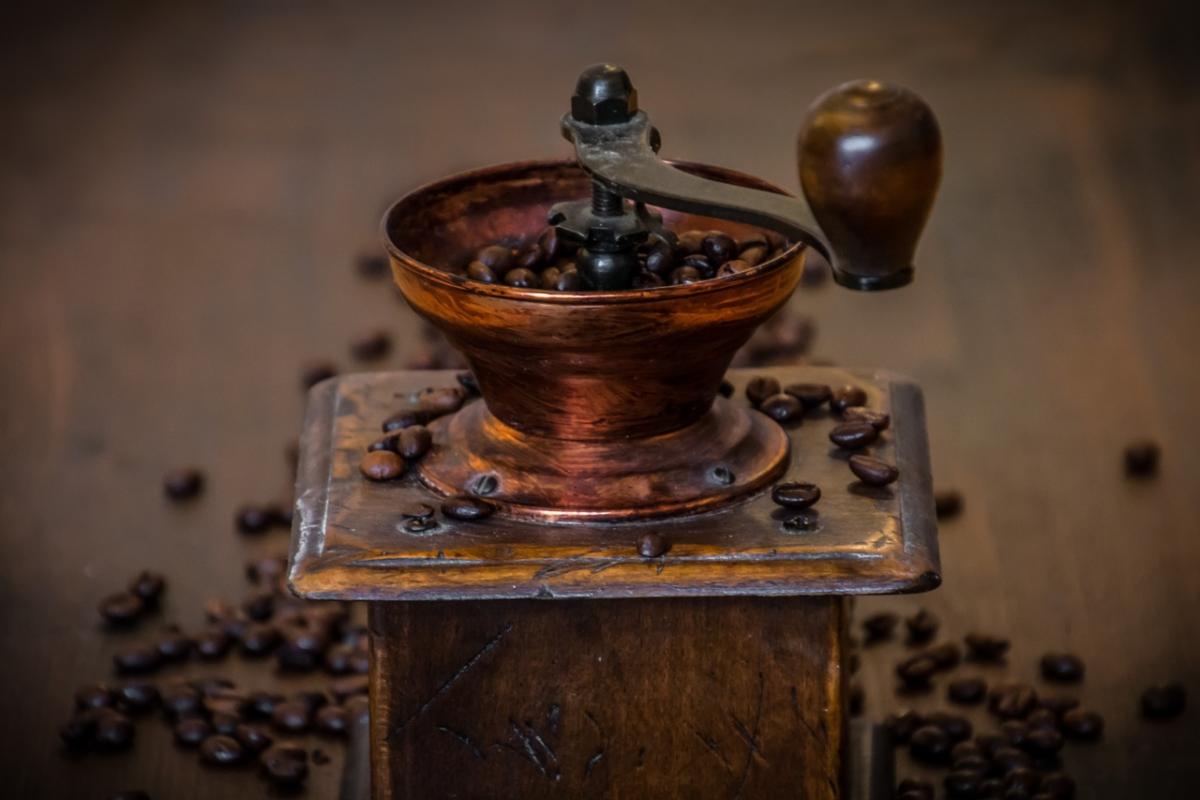
Old coffee grinders left gathering dust in attics and pantries could be worth thousands of dollars as interest in vintage decor grows, lifestyle publication nespechej.cz reported.
Most models produced in the middle of the 20th century command only a few dozen dollars. However, rare 19th-century pieces preserved in their original condition can command significantly higher valuations among collectors.
International auction house Sotheby's notes that evaluating antique items depends on several key factors, including physical condition, provenance, ownership history, manufacturer, rarity, and current market demand. Auction experts emphasize that age alone does not make an item valuable.
Valuation factors and collector demand
Collectors show particular interest in specific categories of antique coffee grinders:
- 19th-century manual grinders
- Ornate hand-crafted models with rich decoration
- Items produced by prominent European manufacturers
- Specimens retaining a fully functional internal mechanism
Rare models meeting these criteria in good condition frequently sell for prices ranging from several hundred to several thousand dollars.
The most common mistake owners make upon finding an old coffee grinder is attempting to polish, repaint, or replace worn parts with modern components. Restorers warn that such modifications can severely diminish an item's commercial value.
Preserving the original surface, period paint, and authentic hardware is vital. Restoration experts note that worn varnish and light signs of use are often more desirable to buyers than a fully restored finish. Anyone unsure of an item's worth should seek a professional appraisal before attempting any repairs.
Resurgence of vintage interior style
Demand for antique coffee grinders aligns with a broader revival of vintage interior design. A growing number of homeowners are decorating with old furniture, fine porcelain, and historical household objects that serve as both decorative elements and pieces with personal history.
Manual coffee grinders hold special appeal because they recall the traditional atmosphere of ancestral kitchens while demonstrating historical hand craftsmanship. Collectors face increasing difficulty finding pristine specimens that have remained unaltered over the decades.
Anyone possessing an old family grinder is advised to examine it carefully rather than discarding it. An undamaged, richly decorated model that retains a working mechanism could be worth considerably more than expected.
Proper grinding and bean selection
Beyond antique valuations, coffee experts have also offered practical advice for home brewing, stressing that proper grind size is essential to flavor quality. Even minor grinding errors can render brewed coffee excessively sour or bitter.
Furthermore, specialists advised shoppers selecting coffee in retail stores not to treat labels advertising 100 percent Arabica beans as an automatic guarantee of superior quality.


