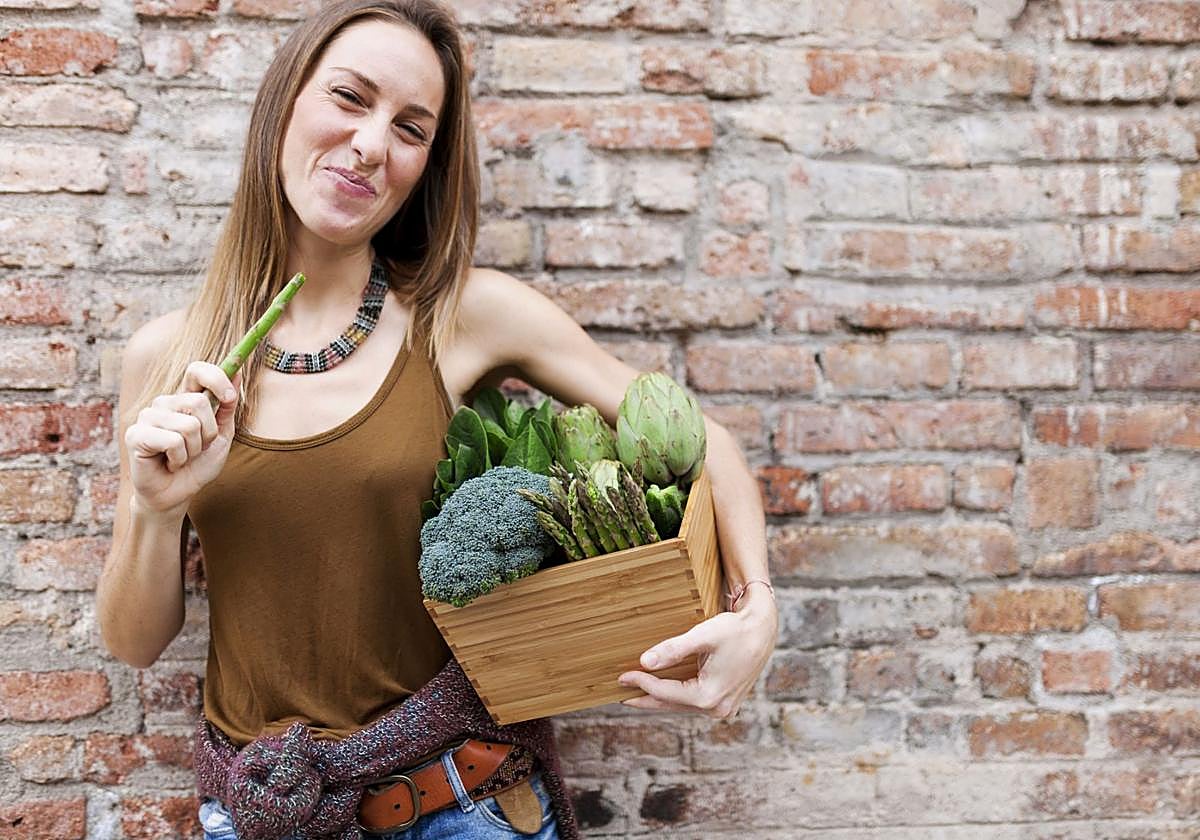
Women following vegetarian or vegan diets can still get all the protein they need to protect muscle mass during menopause, according to nutrition experts, as long as they plan their meals carefully.
As women age, and particularly once they go through menopause, nutritionists recommend eating more protein and doing strength training to preserve muscle mass. Protein is often associated with steak or grilled fish, but science confirms it is possible to meet protein needs entirely with plant foods, as long as attention is paid to the amount, quality and amino acid profile of what is eaten.
Fran Gómez, a nutritionist who heads the Department of Clinical Psychoneuroimmunology (PNIE) at Palasiet, said not all proteins are the same and the body does not use them all in the same way. He explained that animal proteins contain a complete profile of amino acids, while some plant sources fall short in certain amino acids, which makes closer diet planning necessary, especially during menopause.
How much protein is needed during menopause
Eating salads, vegetables and a handful of nuts is not enough to meet protein needs, Gómez said. During perimenopause and menopause, he recommends going beyond the minimum levels set for the general population, aiming for between 1.2 and 1.6 grams of protein per kilogram of body weight a day, adjusted to body composition and activity level. A woman weighing 58 kilograms would need between 70 and 93 grams of protein daily.
How protein is spread across the day also matters, he said. It makes little sense to concentrate most intake at dinner while eating very small amounts the rest of the day. He suggested spreading protein across main meals, aiming for roughly 25 to 35 grams per meal depending on individual needs.
Pairing legumes with grains
Older generations did not know the science behind it, but they often paired a dish of legumes with grains in the same meal, such as the classic combination of lentils with rice, a staple of vegetarian eating and the Mediterranean diet. Recent research suggests it is not necessary to eat all amino acids in a single meal, but rather to build a "pool" of amino acids over the course of the day, drawn from the different proteins eaten.
That means toast with oil at breakfast and lentils with vegetables at lunch can be enough to complete that amino acid pool, Gómez said. Soy and chickpeas supply all the essential amino acids, though chickpeas are slightly low in methionine and cysteine. Legumes tend to be more limited in methionine, he said, while grains usually provide less lysine, so combining the two produces a more balanced plant protein.
Best plant sources of protein
Besides lentils, chickpeas and beans, Gómez highlighted soy and its derivatives, such as tofu and tempeh, for their strong amino acid profile. He also pointed to peas, quinoa, oats, buckwheat, amaranth, nuts and hemp seeds. Ideas for using them include a warm quinoa salad with chickpeas, a tofu stir-fry with vegetables and rice, a chickpea flour omelette or a pea cream with hemp seeds.
Eating lots of vegetables does not necessarily mean meeting protein needs, Gómez said, since vegetables generally contain little protein despite their other benefits. Trying to meet protein requirements through vegetables alone would require eating very large volumes, which could cause digestive discomfort from excess fibre. Soaking, cooking, germinating and fermenting legumes can improve digestibility and reduce antinutrients such as phytates, he added.
Whey or plant protein supplements
Whey protein is one of the best-known options for boosting protein intake, but it is not the only one. People following a vegan diet can turn to plant protein supplements instead. Gómez pointed to soy, pea and rice protein isolates, as well as pea-and-rice blends, which complement each other's amino acid profiles.
He recommends checking the label to confirm a product supplies all nine essential amino acids, histidine, isoleucine, leucine, lysine, methionine, phenylalanine, threonine, tryptophan and valine, paying particular attention to leucine, which plays a role in activating muscle protein synthesis. He also advises reviewing the ingredients list and choosing simple formulations without unnecessary extras.
Alternatives for soy or nut allergies
Soy, peanuts and nuts are among the allergens that must be declared by law and are two of the food groups that cause the most allergies in Spain. People allergic to these foods can meet their protein needs through legumes such as lentils, chickpeas, beans or peas, provided they tolerate them well. Quinoa, oats, buckwheat and hemp, pumpkin or sunflower seeds are also alternatives.
Among supplements, there are pea or rice protein isolates, blends of the two, and even potato protein. When several dietary restrictions overlap, Gómez recommends supervision from a dietitian-nutritionist and checking labels to rule out allergens, traces or cross-contamination.
Other nutrients to watch
Besides protein, other nutrients need attention during menopause for those on a vegetarian or vegan diet. Vitamin B12 requires particular care, Gómez said: supplementation is essential on a vegan diet, while on a vegetarian diet it depends on how much egg and dairy a person eats.
Vitamin D, which is key for calcium absorption and muscle function, also needs monitoring, along with sufficient calcium intake to protect bone health. Without dairy, people can turn to fortified plant milks, calcium-set tofu and cruciferous vegetables such as broccoli or kale. Iron and zinc also require attention; to improve absorption of plant-based iron, Gómez suggests pairing foods such as lentils with a source of vitamin C, such as peppers or citrus fruit. Flaxseed, chia and walnuts supply omega-3 in the form of ALA, whose conversion into EPA and DHA is limited; for vegans, supplements derived from microalgae are an alternative.
Strength training still matters
Diet alone is not enough to preserve muscle mass; it also takes lifting dumbbells, pushing weights or working on isometric exercises, said Irene Fernández, a physiotherapist specialising in female hormonal health, psychoneuroimmunology and pelvic floor health. One without the other falls short, she said.
As oestrogen levels drop, muscle responds less well to stimuli that used to be enough to maintain it, a phenomenon known as anabolic resistance. That is why experts suggest increasing portions of protein-rich food, since more amino acids will be needed for muscle to build new fibres.
Walking is good, Fernández said, but it is not enough on its own; muscle needs to work against resistance that represents a real challenge. The good news, she said, is that muscle continues to respond to training at any age, meaning there is no excuse to give up on exercise.
What's next
This will be one of the starting points of Mujer Be-Thal, a retreat for women organised by Palasiet Wellness Clinic & Thalasso from November 19 to 24. The aim is to help women understand their bodies during this stage of change and return home with tools to look after their health and wellbeing throughout the year.
What happens next
Palasiet Wellness Clinic & Thalasso is running the Mujer Be-Thal retreat for women from November 19 to 24, covering these topics.
Test yourself
How many grams of protein per kilogram of body weight does nutritionist Fran Gómez recommend during menopause?
Which classic dish is given as an example of combining legumes and grains for a complete amino acid profile?
According to Irene Fernández, what is also required along with diet to preserve muscle mass in menopause?
Have your say
Would you consider switching to a vegan or vegetarian diet during menopause?