

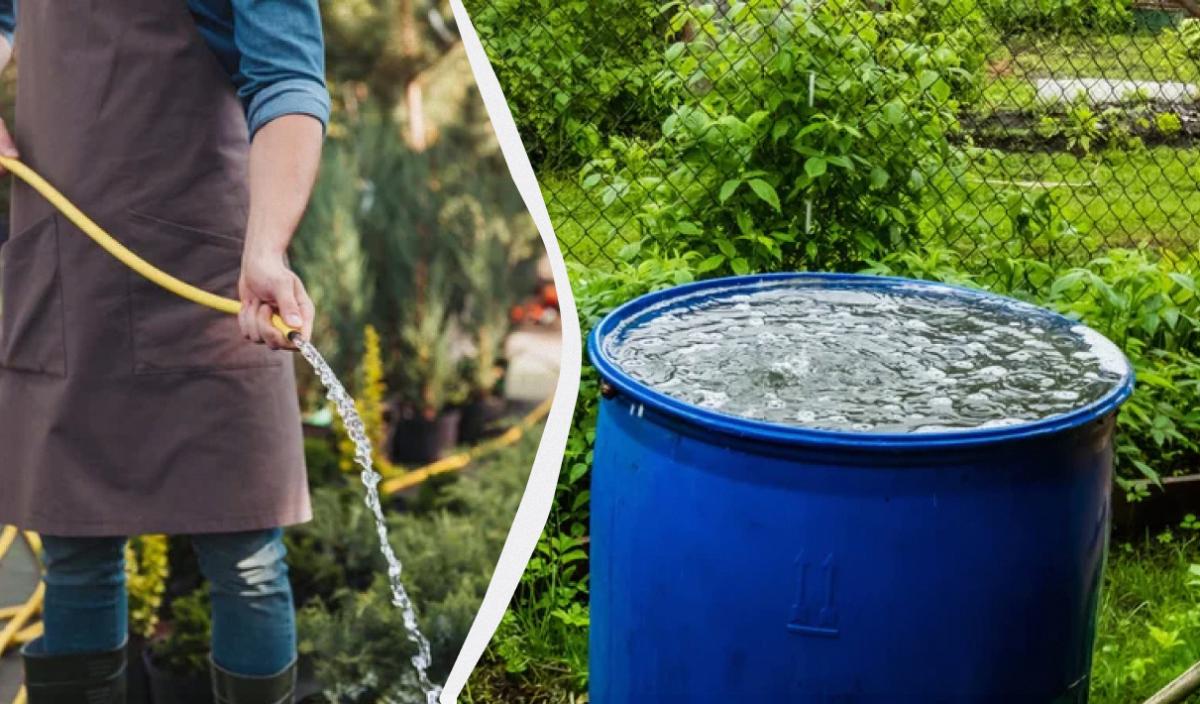
Ukrainian gardeners are being advised to replace traditional iron water barrels on their plots with modern storage alternatives, including IBC containers, flat rectangular tanks, and roof collection systems.
Metal drums have long been a fixture on vegetable plots across Ukraine, used to store rain or tap water filled via hoses. However, open barrels allow leaves and insects to accumulate, develop foul odours, and frequently suffer from algae blooms in warm weather.
Small-scale gardening on private land plots is a widespread practice in Ukraine, where millions of households cultivate fruits and vegetables for seasonal consumption and winter preserves. Water management on these plots relies heavily on stored rainwater or seasonal hose connections, making durable irrigation equipment essential for daily maintenance.
One major alternative gaining traction is the Eurocube, the common European designation for an Intermediate Bulk Container (IBC). These industrial grade plastic units are supported by a metal frame and pallet, holding approximately 1,000 litres of liquid while taking up only about a third of the physical footprint of a standard barrel.
Because Eurocubes can be tightly sealed with a lid and manufactured from materials that block sunlight, stored water remains clean and free from green algae growth. An integrated tap at the base enables gardeners to attach a hose directly, eliminating the need to haul heavy buckets across garden beds.
These containers typically last 15 to 20 years, even when purchased second hand. When buying used units, selecting containers previously designated for food products ensures cleaner interiors suitable for crop irrigation.
Intermediate Bulk Containers were originally engineered for global transport and storage of bulk liquids, semi-solids, and food ingredients. Their stackable design and heavy-duty polyethylene construction have made them popular secondary items for agricultural and domestic water harvesting worldwide.
Flat tanks for compact spaces
Gardeners seeking low-profile options can install flat rectangular storage tanks under residential houses, bathhouses, or verandahs. Standing between 30 and 50 cm high, these tanks slide directly beneath roof downspouts to collect rainwater automatically as it falls.
The arrangement provides a continuous supply of free soft water, which offers distinct botanical benefits compared to treated tap water. Flat tanks are available in capacities ranging from 200 to 1,000 litres and consume zero usable garden space because they sit beneath existing buildings, with options to attach watering hoses.
Rainwater is naturally soft and free from municipal treatment chemicals such as chlorine or fluoride, which can alter soil pH levels over time. Soft water allows plants to absorb nutrients more efficiently through their root systems, making rainwater collection a preferred option for delicate crops.
Roof collection and filtration systems
For comprehensive water management, complete roof collection systems direct runoff from gutters into a specialized filtering barrel before channeling it into storage containers. Installing such a setup may require professional assistance and an initial financial investment, but it can collect up to 30,000 litres of water during a single season.
The system pays for itself within a couple of years by eliminating municipal water fees. In areas where no main water supply exists on the plot, roof harvesting provides a critical source of water for both plant irrigation and general household utility tasks.
Rainwater harvesting systems are increasingly used across European agriculture to reduce pressure on municipal infrastructure and protect gardens against drought conditions. By capturing seasonal rainfall from roof surfaces, growers secure an independent water reserve while lowering long-term utility costs.


