

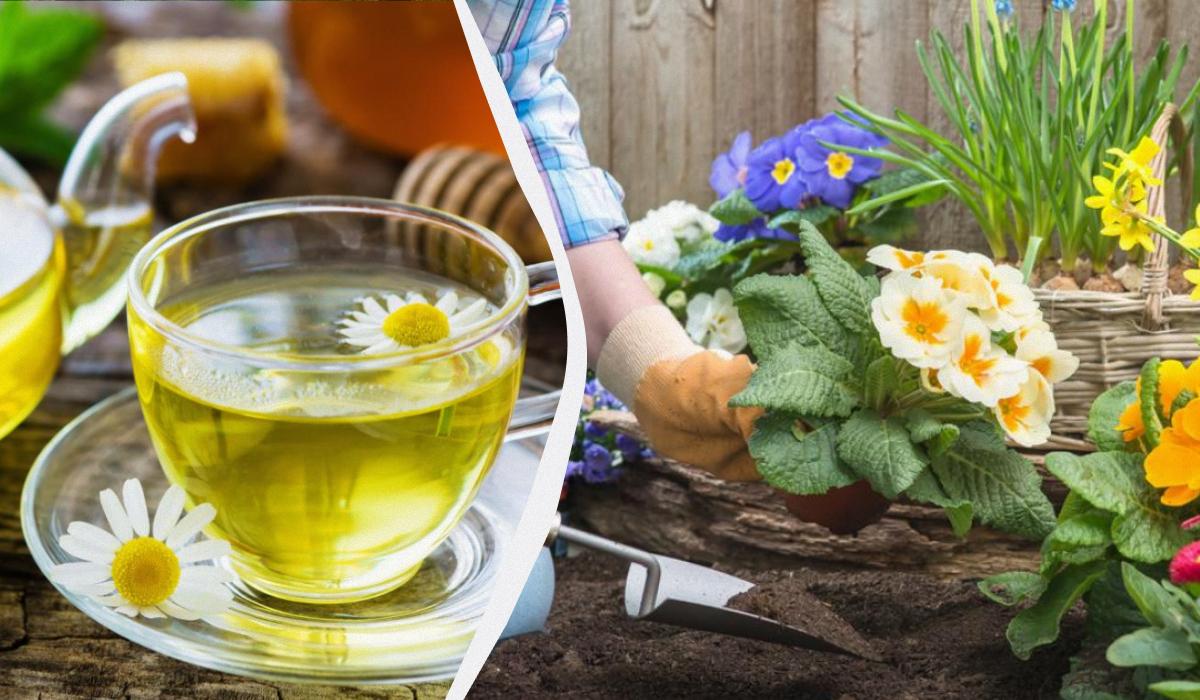
Gardeners are turning to chamomile tea as an inexpensive natural treatment to protect vulnerable seedlings and potted crops from destructive fungal diseases, according to advice reported by British publication Homes and Gardens.
The herbal brew acts as a mild preventative control against black leg, a common fungal infection also known as damping off that causes tender seedlings to collapse and rot at soil level. Watering seedling trays lightly once a week with a weak chamomile solution helps suppress soil-borne pathogens before they can destroy an entire tray of spring sowings.
Chamomile flowers contain natural active compounds that exhibit gentle antifungal properties. Although tannic acids and active organic compounds occur in their highest concentration within essential oils, sufficient amounts dissolve into water during tea preparation to combat plant diseases. If initial traces of mold appear on young sprouts, growers can apply a freshly prepared batch of tea to halt the spread of fungal spores.
Protecting container crops from heavy rain
The natural remedy is also recommended for container-grown plants when heavy summer rainfall follows extended periods of hot, dry weather. Container pots lack the surrounding soil mass of garden beds, making roots more sensitive to environmental changes. Gardener Mark Dwelly said that prolonged hot weather leaves the foliage and root systems of potted plants exceptionally vulnerable to fungal attacks once rain begins to fall.
To safeguard container crops ahead of a forecast storm, Dwelly advised brewing a strong batch of chamomile tea in a bucket, letting the liquid cool completely, and pouring it around the base of potted plants. He explained that chamomile serves as a natural mild fungicide rich in tannic acid, which reduces physiological stress on the root system while preventing root rot and black leg when cold rainwater suddenly saturates the container. Gardening experts suggest adding this protective routine to summer task lists, particularly after periods of high heat.
How to cultivate and harvest chamomile
Horticulturists most frequently cultivate two main varieties for herbal tea, German chamomile and Roman chamomile. German chamomile is an annual plant that completes its lifecycle in one season, growing taller with larger flowers. Roman chamomile is a low-growing perennial that returns year after year, producing smaller blossoms. Both varieties can be raised from inexpensive seeds sown indoors in pots with seedling soil mix during spring, then transplanted to a sunny garden spot after the threat of frost passes.
To prepare tea for plant care or drinking, growers pick young flowers throughout the summer months. Regularly harvesting flowers and picking off faded blossoms, a process known as deadheading, encourages the plants to continuously produce new buds and increases total yields over the season. Collected flowers can be used fresh or dried for long-term storage.
Seasonal garden care routines
The chamomile advice follows broader late-summer gardening guidance issued by horticulture experts. Gardening specialists previously identified six plant species that require mandatory pruning in September before cold autumn weather sets in to maintain plant structure. Experts also outlined three key late-summer maintenance steps for strawberry plants to ensure a rich fruit harvest in the upcoming season.


