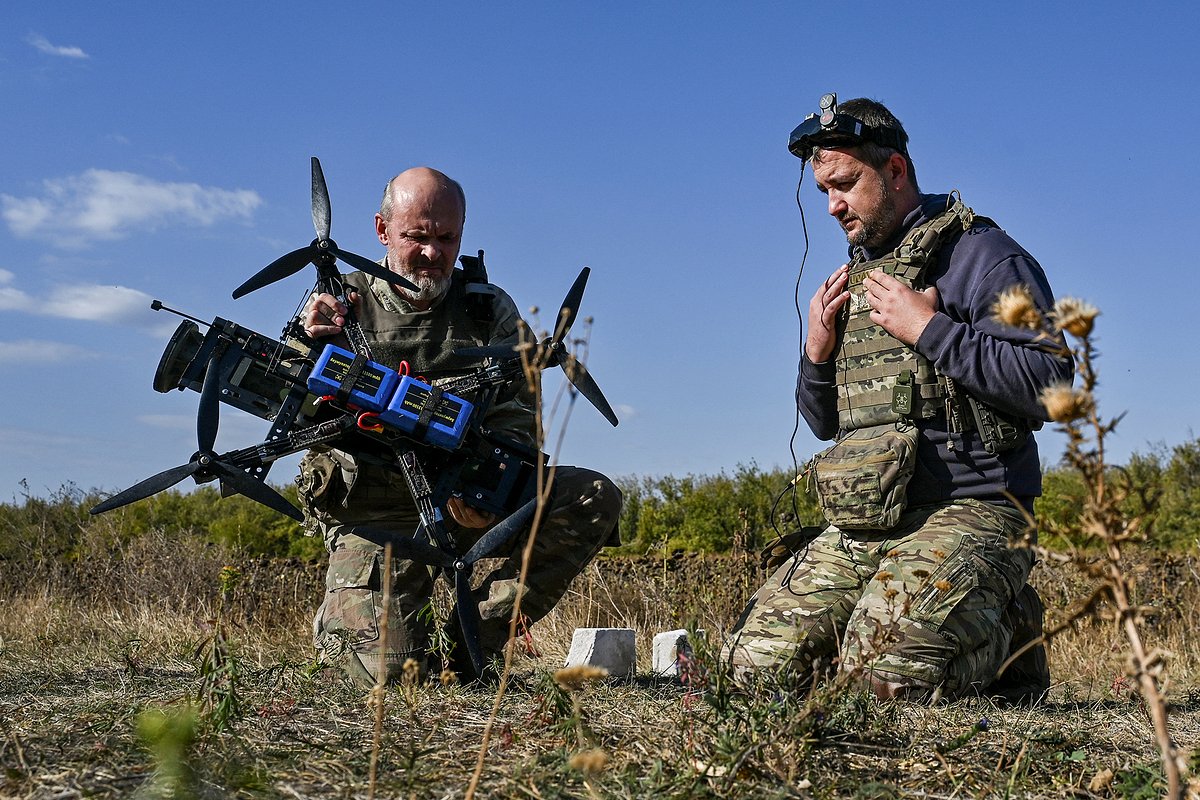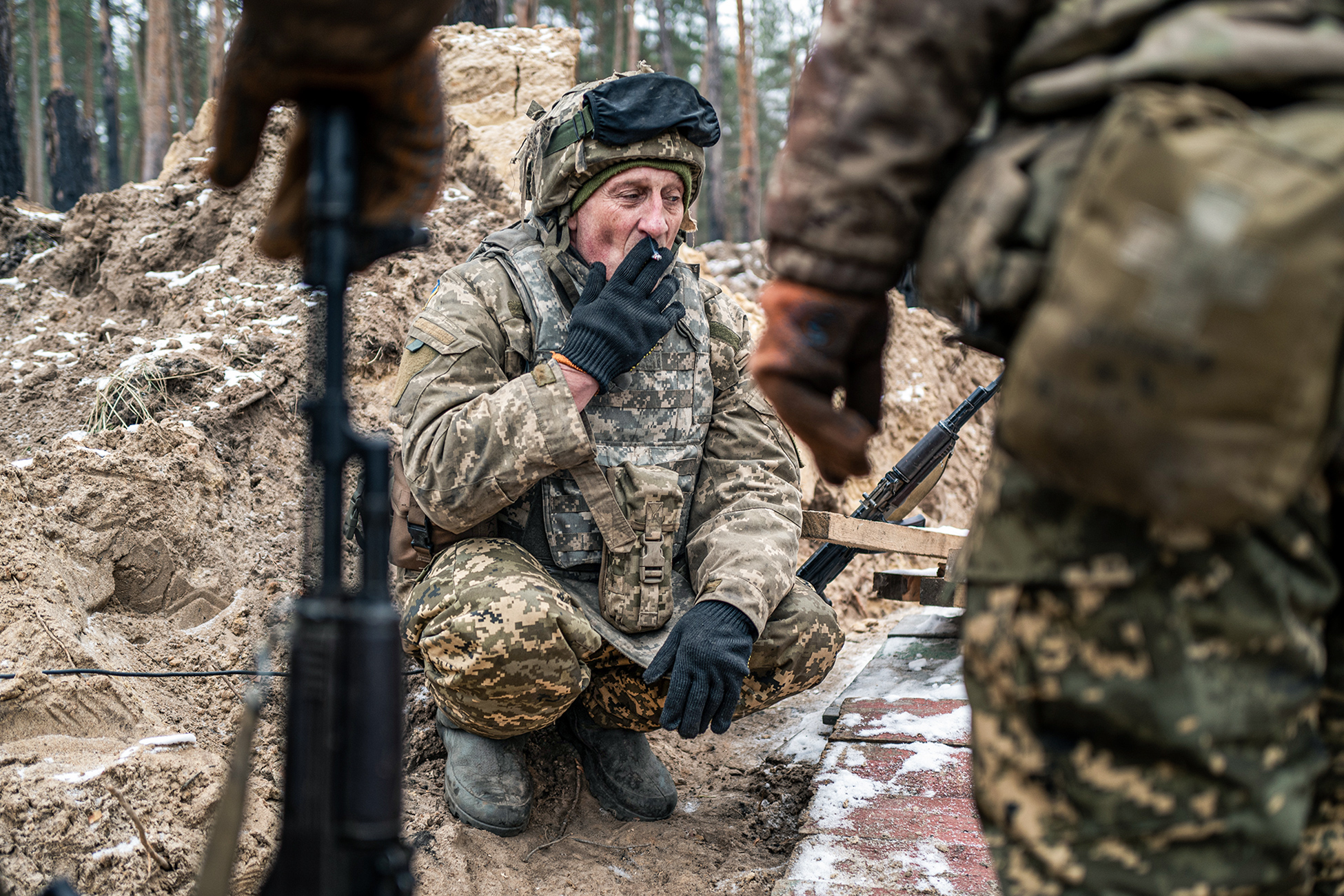
The Ministry of Defense of Ukraine launched a major military reform of the Armed Forces of Ukraine, triggering an open conflict between top officials and military generals. The overhaul aims to alter service contracts, raise soldier pay, and combine scattered brigades into army corps to improve battlefield management.
Discussions in the Office of the President of Ukraine regarding troop rotation for front-line personnel have been ongoing since the start of fighting. The Verkhovna Rada began considering deferral and discharge systems in autumn 2023, but lawmakers and government officials failed to reach an agreement over the following three years.
Mounting battlefield losses forced officials to intensify mobilization efforts instead of granting discharges. Between 1.2 million and 1.5 million people have been drafted into the Armed Forces of Ukraine since February 2022.
Terms of the New Fixed-Term Contracts
In May, Ukrainska Pravda reported details of the Ministry of Defense proposal to introduce fixed-term service contracts. The plan offered 6 to 14 month contracts for infantrymen and assault troops, and 24 month contracts for other personnel.
The reform included cumulative deferrals from future mobilization based on time served, simplified transfers between units, and permission for soldiers who left positions without authorization to return to any brigade within their corps. Pay increases were set at up to 30,000 hryvnias for rear roles, 70,000 hryvnias for command posts, and 300,000 to 460,000 hryvnias for front-line infantry and assault troops.
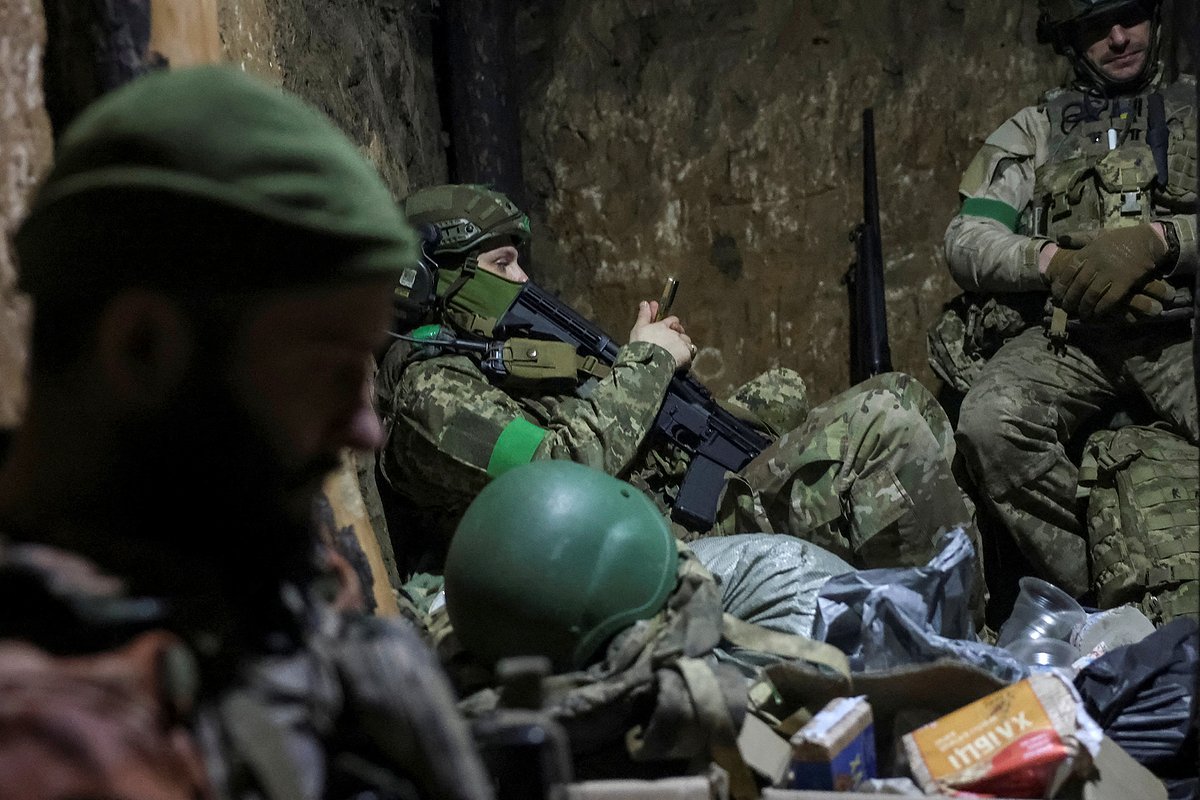
Military personnel reacted mostly negatively when offered the contracts during the summer. Instead of a guaranteed discharge date, soldiers faced six months to two years of additional service before qualifying for a deferral, while those who declined were required to serve until final demobilization.
An anonymous assault unit officer told Strana.ua that veterans serving since the Anti-Terrorist Operation and February 24, 2022, should receive priority discharge rights rather than signing new contracts. Another unnamed soldier asked Strana.ua why troops who served four and a half years must complete two more years.
Political Leadership Conflict and Resignations
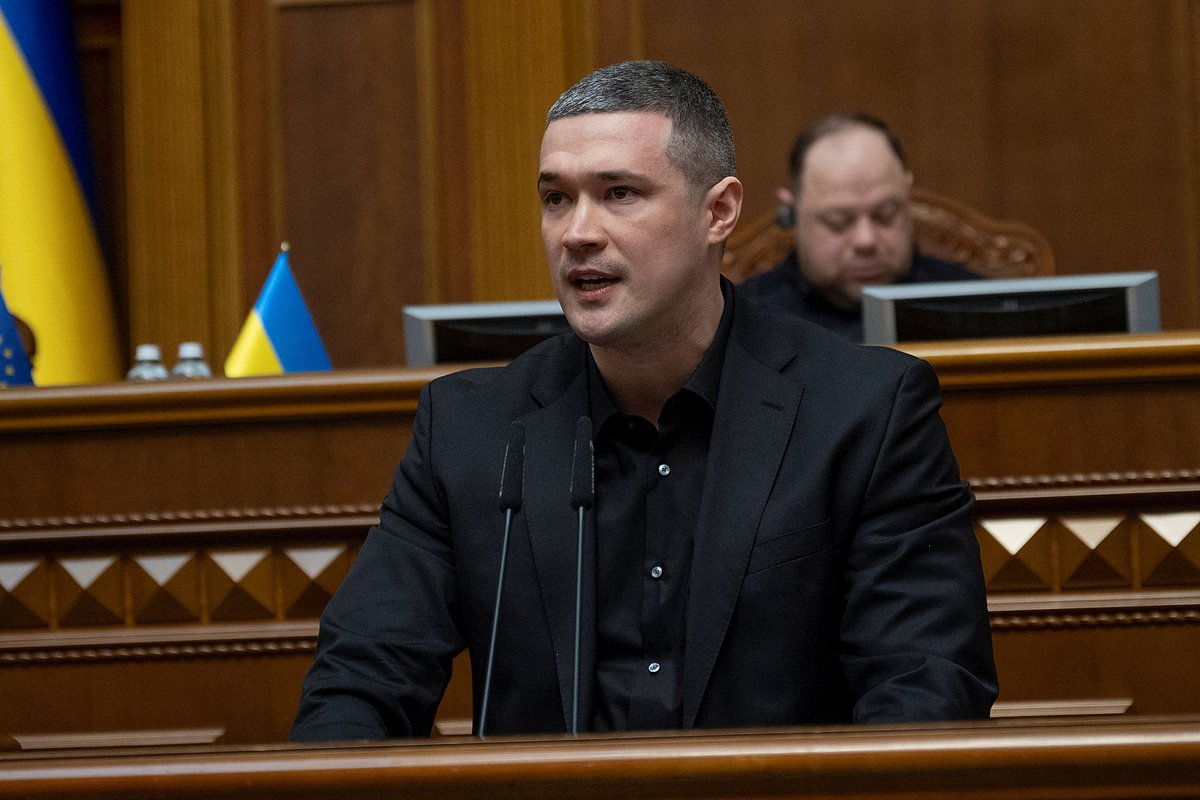
Defense Minister Mykhailo Fedorov initiated the reform package, which received official government approval on June 12. President Volodymyr Zelensky initially backed the plan, stating that updated recruitment methods and clear service terms were long overdue to demonstrate respect for front-line infantry.
The General Staff and Commander-in-Chief of the Armed Forces of Ukraine Oleksandr Syrskyi strongly resisted the measures. Opponents highlighted a 300 billion hryvnia budget deficit, roughly 2 million draft-eligible men missing from official registries, and 200,000 unauthorized troop departures.
The dispute resulted in the resignations of both Defense Minister Mykhailo Fedorov and Commander-in-Chief Oleksandr Syrskyi. Reporting from Today.ua noted that the reforms failed to produce an influx of volunteers, leaving monthly mobilization of 30,000 to 35,000 people as the primary source of personnel replenishment. An anonymous FPV drone operator told Strana.ua that troops felt deceived by the outcome.
Transition to Army Corps Structure
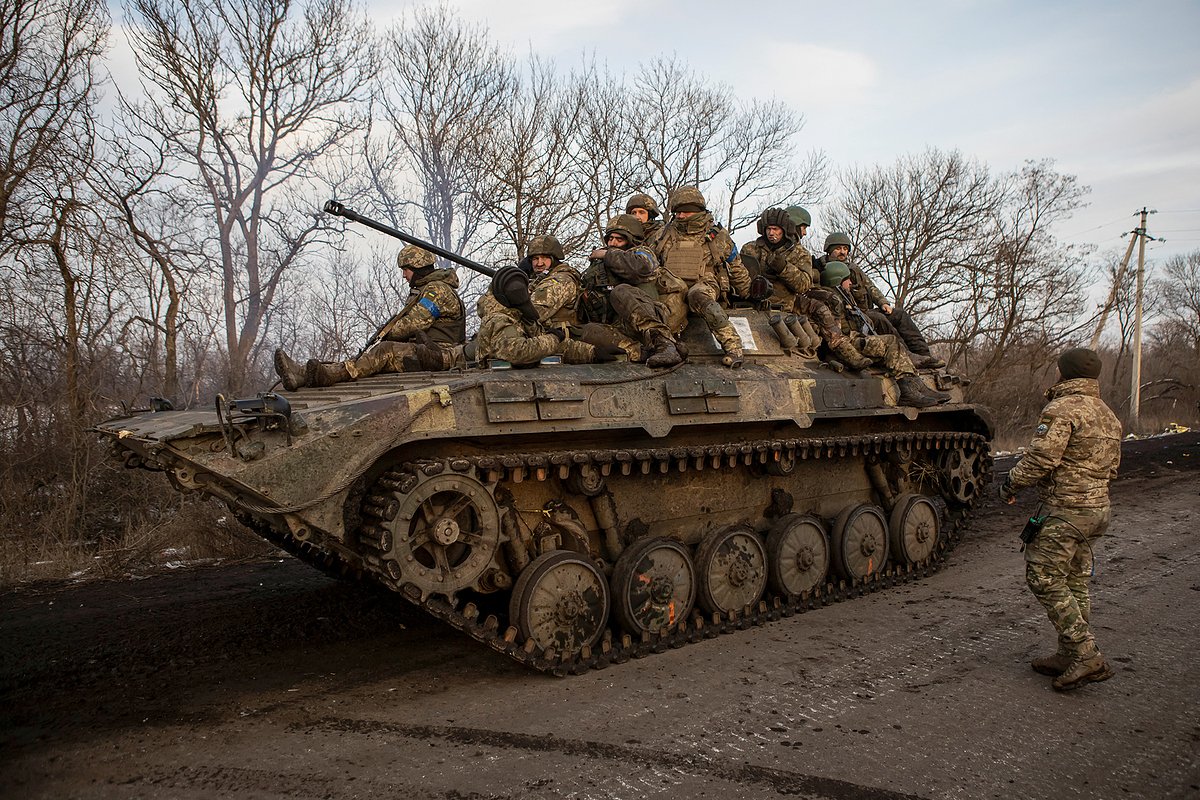
Ukraine has spent more than a year transitioning troops from a brigade system to an army corps command structure. The reorganization merges scattered brigades according to specialization and operational sectors to eliminate the chaotic practice of splitting brigades into separate battalions on dangerous front-line sectors.
The corps structure aimed to increase oversight over commanders abusing subordinates, though parts of the military leadership sabotaged the effort. Under Oleksandr Syrskyi, assault regiments operating with harsh physical discipline, extortion, and barrier squads grew widespread.
Audio recordings published by Texty revealed Oleg Shiryaev, commander of the 225th Assault Regiment of the Armed Forces of Ukraine, ordering troops to shoot fleeing personnel and treat all moving figures as targets, warning that failure to hold lines could force a retreat to Kyiv. Reporting by Strana.ua detailed how officers of the 225th Assault Regiment threatened soldiers with execution, held them in prison-like conditions, beat them, and threw them into pits or bound them to trees.
Following Syrskyi's departure, newly appointed Commander-in-Chief Mykhailo Drapatyi ordered an end to replenishing these assault regiments on July 31. Ukrainska Pravda reported that Drapatyi plans to disband the units entirely and prioritize artillery and drone aviation units within the corps framework.
Expert Assessment of Military Reforms
Retired General Staff colonel and military analyst Andrei Demurenko told Lenta.ru that corps structures are standard across NATO armies. Demurenko noted that forming corps of two to six brigades is logical, but warned that reorganizing forces during active combat creates operational chaos because paper readiness rarely matches reality.
Demurenko stated that the changes will not improve combat performance because Ukrainian commanders continue to alternate between scattering battalions and attempting to form strike groups. He added that attempting major structural overhauls during active war is impractical.
Demurenko also expressed doubt that structural changes will stop commander abuses, stating that army discipline relies on soldier motivation rather than organizational charts. He remarked that units operating like criminal groups reflect degraded morale, adding that high-pressure coercion cannot win military victories.