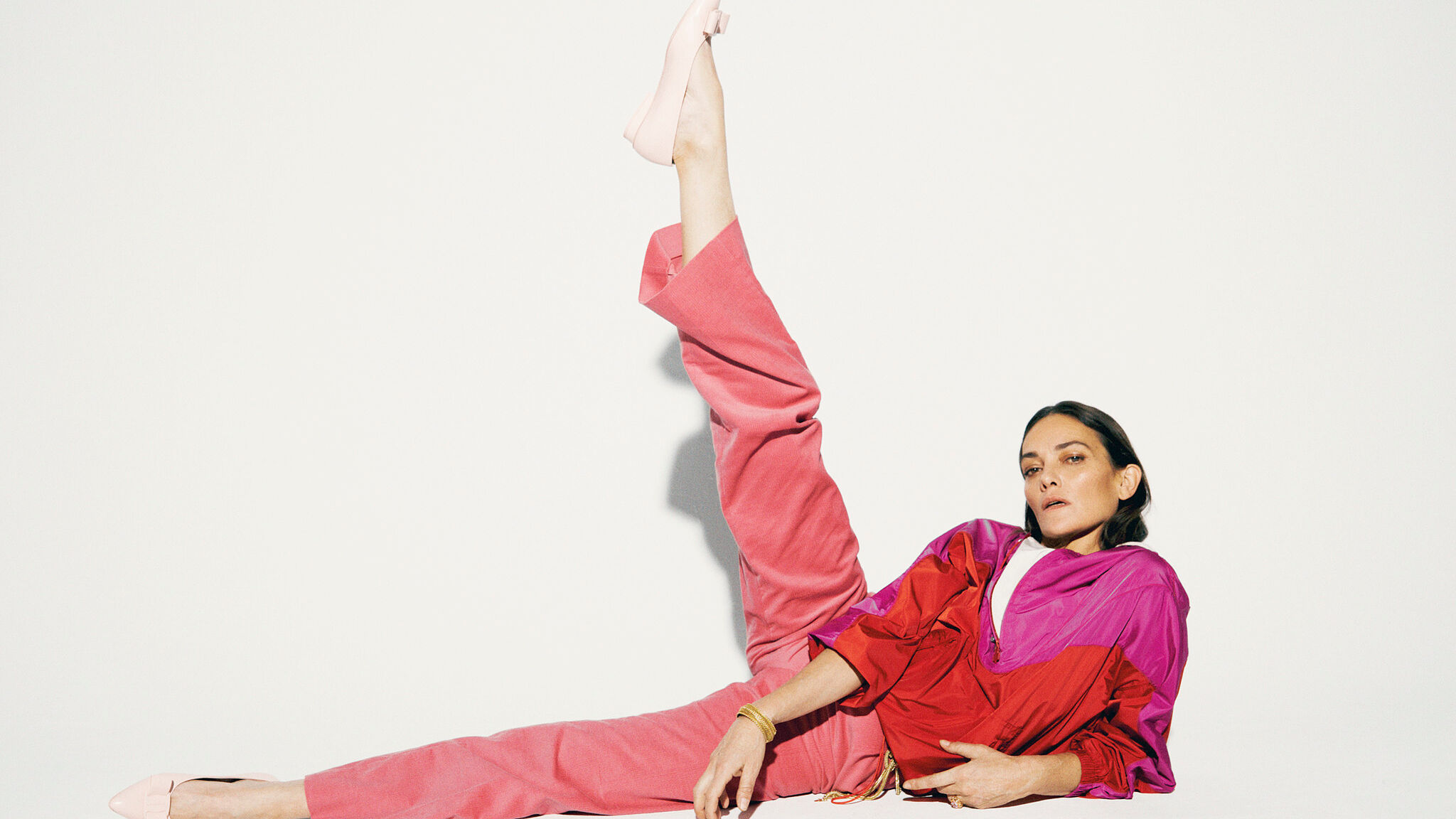
Álvaro Puche, a personal trainer, says lower-body strength training becomes essential once a person turns 60, because working the legs mobilises around 70% of the body's muscle mass. He said this applies especially to people past that age, when muscle loss accelerates and increasingly affects daily independence.
Puche said that in a strength routine made up of ten exercises, six should target the lower body. He said that when people activate their quadriceps, glutes, hamstrings and calves, they are mobilising around 70% of the body's total muscle mass, which is why those muscle groups deserve far more attention than they usually receive.
The trainer said people tend to focus too much on the abdomen or the arms, while paying far too little attention to the lower-body muscles that actually determine a person's current and future autonomy. He said the ability to sit down and stand up from a chair without help is one of the everyday movements that best reflects the state of a person's muscles and functional independence, even though it might not seem as significant as he suggests.
Why muscle loss speeds up with age
Muscle loss accelerates with age and affects the lower body in particular. That is why, when experts discuss longevity, they say the focus should no longer be only on walking more, but on preserving strength in the legs and glutes.
Puche also praised climbing stairs as a habit, saying it does not just force the body to move but also raises the intensity of effort involved in everyday activities, while strengthening the muscles of the legs and glutes.
The fast-twitch fibres that can prevent a fall
Puche said the reason strength becomes so important after 60 relates to a specific type of muscle known as fast-twitch fibres. These allow a person to react when they trip, recover their balance, or get up quickly to avoid a fall. He said they are also the first fibres to deteriorate with age if they are not trained.
Puche said that at 60, fast-twitch muscle fibres are what save a person's life, but that strength exercise is needed to avoid losing them over time. He said muscle loss is closely linked to a higher risk of falls, fractures, physical dependence and a decline in quality of life in older age, which is why strength work that halts or slows muscle deterioration matters so much in daily life.
Why walking alone is not enough
Puche said walking and climbing stairs every day is genuinely good, but stressed that this habit does not replace strength training that specifically works the body's most important and valuable muscles.
He said the ability to move independently is a strong indicator of health that people need to work on themselves. Simple routines built around squats, glute bridges and ankle raises can train the lower body for this purpose.
Simple exercises for beginners
For anyone who has not yet taken up exercise, Puche recommends starting with simple movements such as doing 20 heel raises while making breakfast, taking long strides along a hallway at home, balancing on the heel on a step, or standing on one leg for 20 to 25 seconds.
He said that as soon as a person starts improving their strength, they develop ability as well as motivation and drive, the initial push that keeps them going until they are ready to add weight to squats, lunges or hip thrusts.
A dancer's take on toning the legs
Yasmina Sancayo, a professional dancer and trainer who works with the actress Paula Echevarría, said the plié is the best exercise for slimming and toning the legs. She said not having a ballet barre at home is no excuse to skip it.
The plié is a classic ballet movement in which the knees bend outward while the back stays straight, traditionally practised while holding a barre for balance. Sancayo's comment suggests the move can be adapted without that equipment for anyone training at home.
Test yourself
According to Álvaro Puche, what percentage of the body's muscle mass is mobilised when training the lower body?
Out of a 10-exercise strength routine, how many exercises does Puche say should target the lower body?
Which exercise does trainer Yasmina Sancayo recommend for toning the legs?
Have your say
Do you include lower-body strength exercises in your regular workout routine?