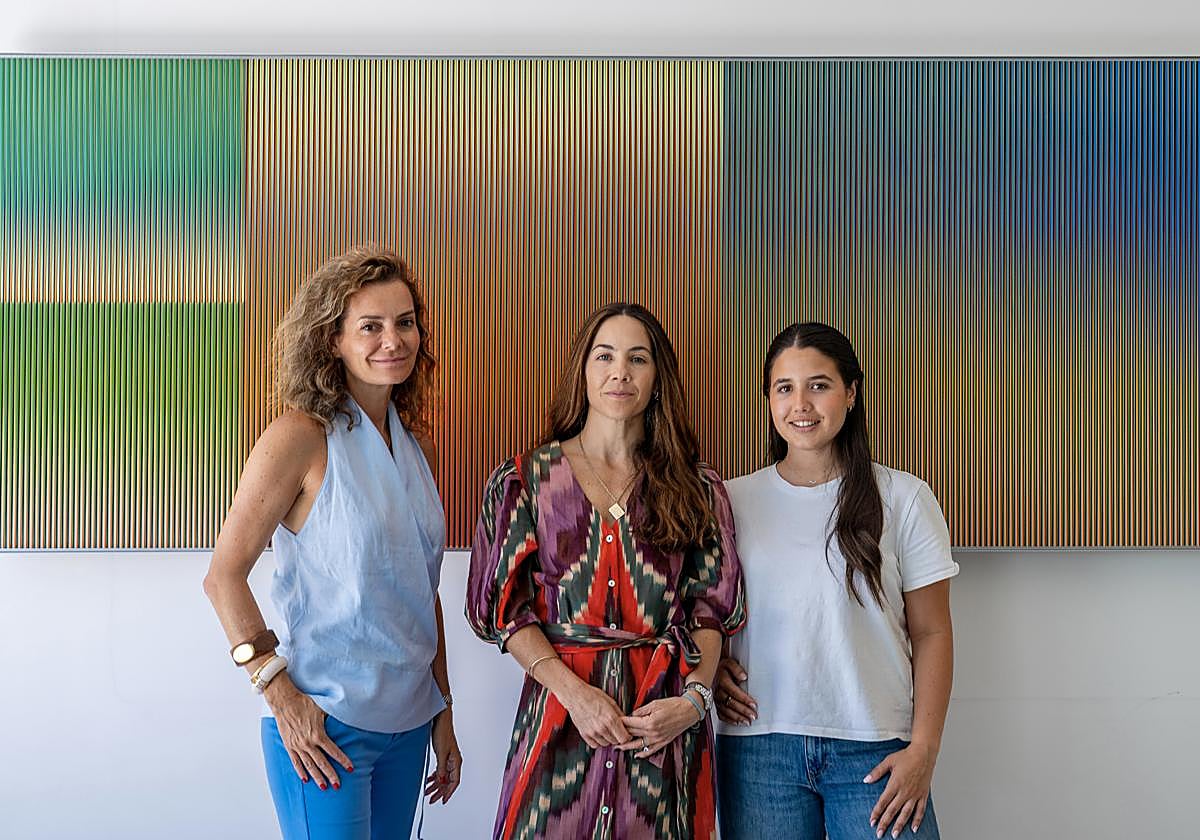
Three women working across art, design and architecture have launched Private House, an editorial project whose first book opens the doors to some of Madrid's most striking private homes. Verónica de Mello, Andreina Olazábal and Mafalda Rodrigues de Oliveira presented the publication in Madrid this November.
Madrid's major museums, galleries and contemporary art exhibitions let the public see the work of figures such as Alberto García-Alix or Luis Gordillo, but rarely their homes. The book sets out to show what art these figures live with, what furniture has stayed with them over the years, and how they have built their private collections.
Its pages include names such as Secundino Hernández, Carlos Garaicoa, Mateo Maté, Elba Benítez and Oliva Arauna, among other figures linked to art, architecture and collecting. Rather than touring museums, galleries or landmark buildings, the book instead visits the homes of people who help shape the city's cultural life.

Three women united by a shared passion for art
Before meeting in Madrid, the three founders of Private House had built their careers in different cities around the world. Their backgrounds differ widely, but all three share an interest in art and in how it shapes everyday life.
Verónica de Mello is an architect, exhibition curator and contemporary art adviser who has spent years exploring the relationship between art and the spaces people inhabit. Her career includes projects tied to the Venice and Havana biennials, as well as advising private and institutional collections.
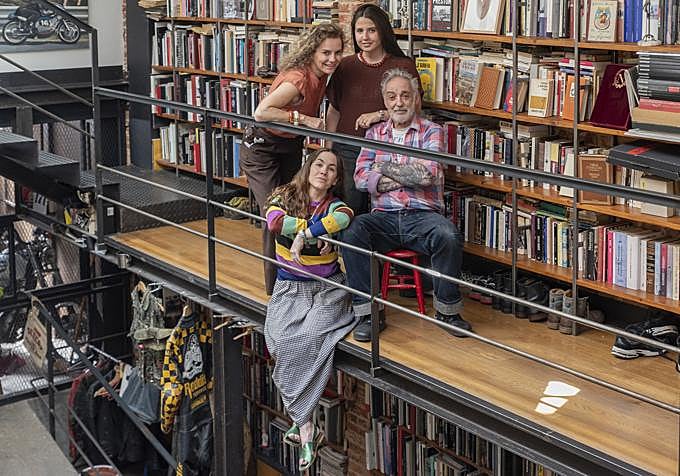
Andreina Olazábal, a graphic designer and entrepreneur who has lived between Mexico and the United States, and Mafalda Rodrigues de Oliveira, trained in fine arts in San Francisco and specialised in producing exhibitions and cultural projects, bring their own creative backgrounds to the venture. Their paths crossed in Madrid, where the idea of portraying the city through the homes of its artists, architects and collectors first took shape.
Inside the homes of those who live surrounded by art
What stands out most in the book's first images is how different the interiors are from one another, which is a large part of their appeal.
Among the people featured is Madrid-born artist Mateo Maté, whose work has been shown at the Reina Sofía Museum and the Lázaro Galdiano Museum. Much of his work centres on everyday objects and domestic spaces, which he turns into artworks that question how people relate to their surroundings, making his own home especially worth seeing.
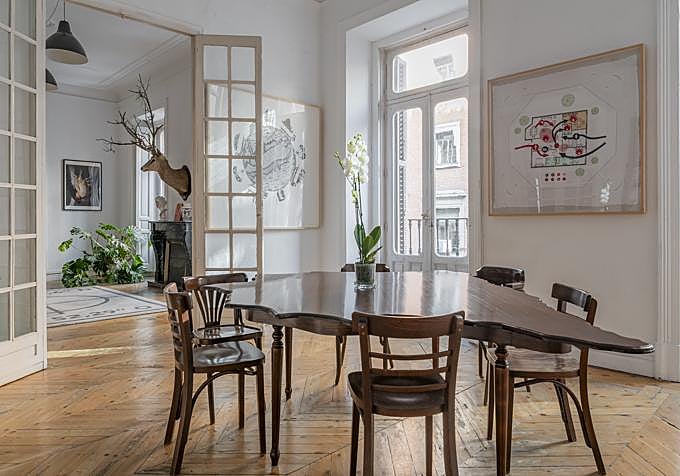
From the world of architecture, the book also takes readers into the home of Miguel Olazábal, a Basque architect based in Madrid with a long career designing houses. Seeing the private spaces of an architect carries an added interest, since it reveals the choices he makes when designing for himself.
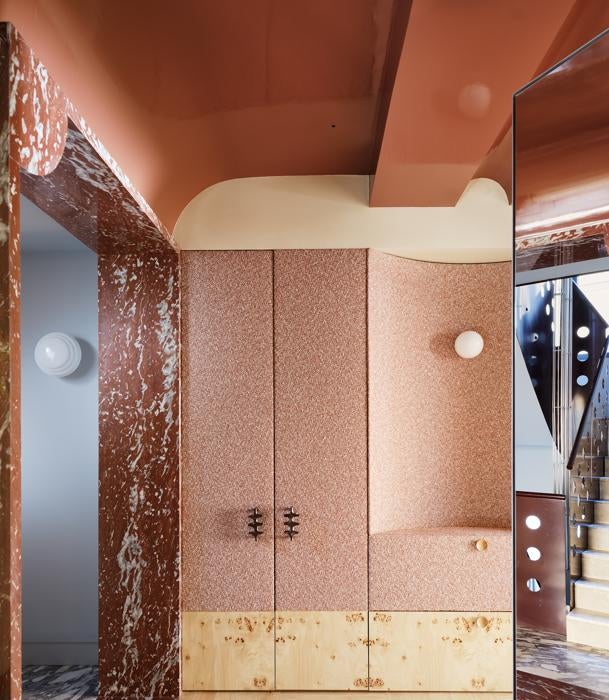
A very different interior appears through the architecture and design studio Plutarco, where colour plays a central role. Reddish ceilings, glass block walls, checkerboard floors and sculptural furniture pieces reflect a far more experimental approach to interior design.
Art also takes an unusual place in rooms such as the bedroom and bathroom shown in the book. In one, paintings and drawings of different sizes form a gallery above the bed, while in the other a large painting takes on a prominence rarely seen in that kind of space. These are interiors with little connection to current decorating trends, inviting attention instead to the freedom with which their owners mix pieces from different eras, materials and origins.
The more intimate side of art collecting
Seeing a private collection in its domestic setting reveals things that are not always visible when the same works hang in a museum. Where a painting is placed, how it relates to the furniture around it, or how a piece by an established artist sits beside the work of an emerging one all reflect the taste and concerns of the person who chose them.
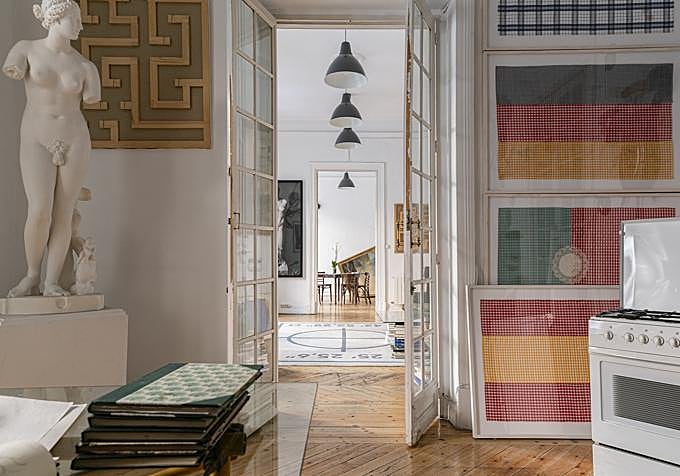
Art collecting, in that sense, has a deeply personal dimension. A collection can take shape over decades, growing out of its owner's travels, relationships with particular artists, or discovery of new disciplines. Its interest lies not only in the value of the pieces but in the judgement behind how they were brought together. Private House also restores the appeal of discretion, since much of the interest of this first publication lies in the private nature of the spaces it photographs and in pausing over interiors that usually stay outside art world circuits.
More than a book on art and interior design
Although its calling card is a book devoted to Madrid, Private House's ambitions go beyond publishing. Its three founders want to build a brand that also makes room for artist editions, limited pieces and a selection of objects linked to art and design.
Madrid is only the beginning. Mexico City and Lisbon will be the next cities featured in a collection with international ambitions, intended to show how people's relationship with art changes depending on where they live and on local cultural tradition.
For now, this first volume offers an unusual way of looking at Madrid, one that complements visits to its museums, its gallery exhibitions and key dates on the art calendar such as ARCO. It is a tour of the capital through the homes of people who, through their studios, galleries and private collections, help define its cultural identity.
What happens next
Private House plans to extend its collection to Mexico City and Lisbon, the next cities it will feature after Madrid.
Test yourself
Who are the three founders of Private House?
Whose home appears in the book alongside architect Miguel Olazábal's?
Which cities does Private House plan to feature after Madrid?
Have your say
Would you like to see more books that reveal the private homes of artists and collectors?
Where it happened
Madrid, Spain