

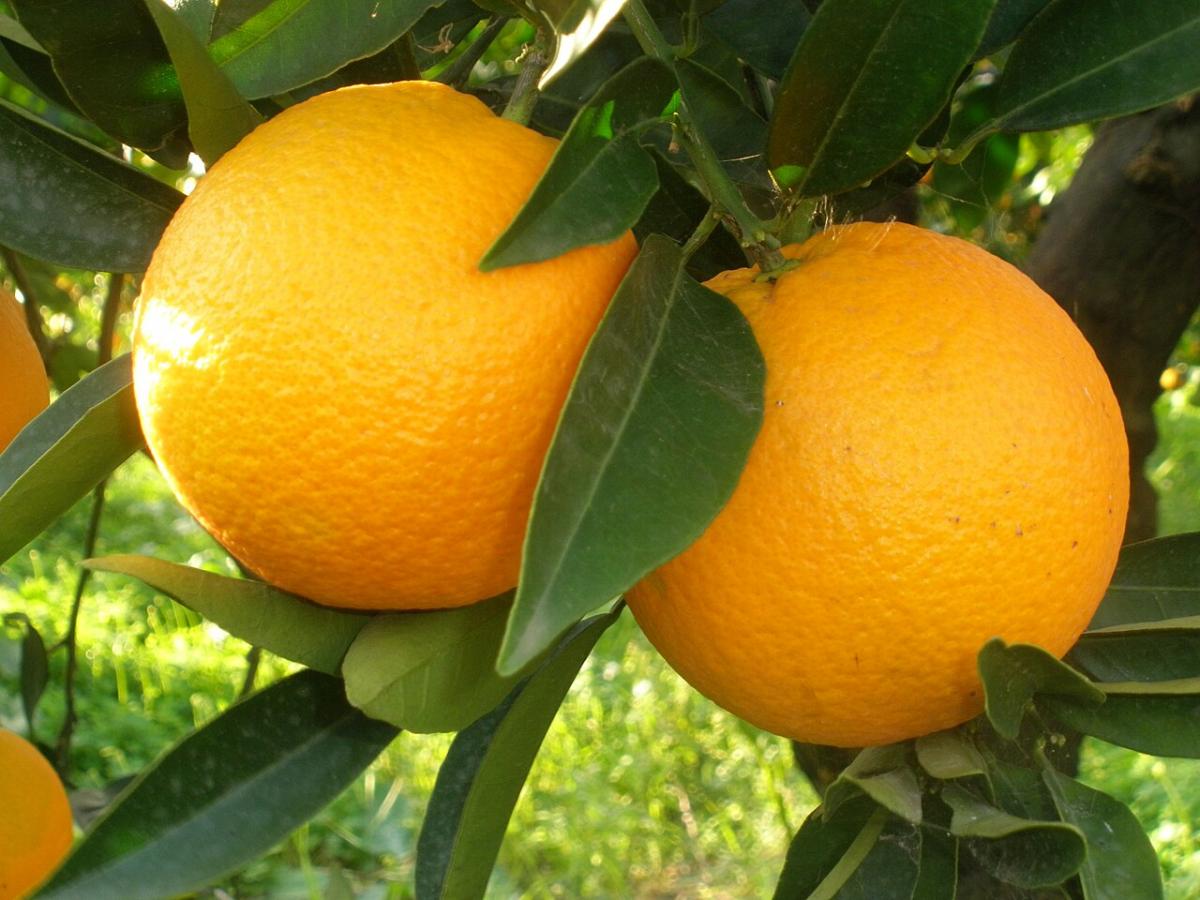
Orange trees can be successfully grown in container pots without requiring large garden spaces, provided they receive sufficient sunlight, moisture, and essential nutrients, according to advice published by lifestyle magazine Southern Living.
Container cultivation allows home gardeners to protect sensitive citrus plants from cold weather by moving them indoors. Selecting compact cultivars, such as dwarf and semi-dwarf varieties, is essential for plants adapted to limited root environments.
The Valencia variety is recognized as a disease-resistant tree that produces smooth-skinned oranges. Satsuma trees grown in pots typically reach heights between 1.2 and 1.8 metres, yielding sweet fruit while demonstrating an ability to tolerate winter weather conditions.
The Washington Navel variety adapts easily to compact spaces, producing large seedless oranges alongside citrus-scented flowers. Gardeners seeking red-fleshed fruit can choose the Cara Cara variety, which is suitable for container growing and can survive temperature drops down to minus 2 degrees Celsius.
Selecting Container Types and Sizes
Proper container selection requires pots with multiple drainage holes to prevent waterlogging. Terracotta pots allow soil to dry out more rapidly, protecting roots from excessive moisture and decay.
Plastic and fiberglass options offer lighter weights that simplify moving the tree between indoor and outdoor locations. Glazed ceramic containers retain moisture effectively, though they require gardeners to monitor watering schedules more closely.
A new pot should be at least 10 to 15 percent larger than the tree root ball, starting with an initial capacity of roughly 19 litres. Young trees require repotting every one to two years, eventually transitioning into containers with a capacity of approximately 95 litres.
Soil and Lighting Requirements
Orange trees require well-draining, slightly acidic soil with a pH level between 6.0 and 6.5. Gardeners can utilize commercial citrus potting mixes or create a blend using equal parts potting soil alongside perlite, pumice, peat moss, or coconut coir. Heavy soil mixtures and standard garden soil must be avoided because they restrict proper drainage.
Trees need approximately eight hours of direct sunlight each day to thrive. Outdoor containers should be placed in locations sheltered from wind that receive morning sun, with afternoon shade provided in hot climates. Indoors, south or southwest-facing windows offer optimal light, while supplemental grow lights should run for 8 to 10 hours daily if natural light is inadequate.
Watering and Nutrient Management
Soil must remain consistently moist while being allowed to dry out slightly between watering sessions. Gardeners should test soil moisture by inserting a finger roughly 5 centimetres into the ground. If the top layer is dry, water should be applied until it drains from the bottom holes, with higher watering frequency required during warmer months.
During periods of active growth in spring and summer, trees require slow-release citrus fertilizer every 4 to 6 weeks. Citrus trees demand high levels of nitrogen, along with essential minerals such as magnesium, zinc, and iron. Liquid fertilizers, including fish emulsion, also serve as suitable nutrient sources.
Pruning and Winter Protection
Pruning maintains tree shape and size and should take place in autumn after harvesting completes but before cold weather arrives. In warmer climates, pruning may occur later, provided it finishes before new spring growth emerges. Dead, damaged, or crossing branches should be removed as needed to enhance air circulation and light penetration to interior branches and fruit.
In colder regions, container trees must be moved indoors to guard against frost and freezing temperatures. Because indoor heating creates dry air, growers may need to run a humidifier to maintain moisture. Indoor spaces should maintain daytime temperatures between 18 and 24 degrees Celsius, alongside nighttime temperatures between 13 and 18 degrees Celsius.
Outdoor trees in warm climates should be covered with protective material during sudden cold spells. Plants overwintered indoors must be reintroduced to the outdoors gradually once frost risks pass and nighttime temperatures consistently remain above 4 degrees Celsius.
Planting Steps and Harvest Timeline
To plant a young tree, fill the pot roughly one-quarter full with soil mix and position the tree in the center. The seedling must be set at the exact depth it occupied in its original nursery container before filling remaining voids with soil and watering thoroughly. Repotting becomes necessary every one to two years or when root tips project through drainage openings.
Harvesting requires patience, as orange trees typically begin producing fruit between 3 and 5 years after planting. If fruit appears during the first year, it should be removed to allow the tree to concentrate energy on developing sturdy stems and foliage.
Additional Container Gardening Guidance
Ukrainian news agency UNIAN previously reported on container gardening techniques, highlighting guidelines for growing roses in pots. That report emphasized that specific rose varieties must be chosen carefully, as not all types adapt well to container environments.
UNIAN also published advice on growing watermelons in pots, citing experts who noted that successful harvests depend on monitoring specific plant characteristics during container cultivation.


