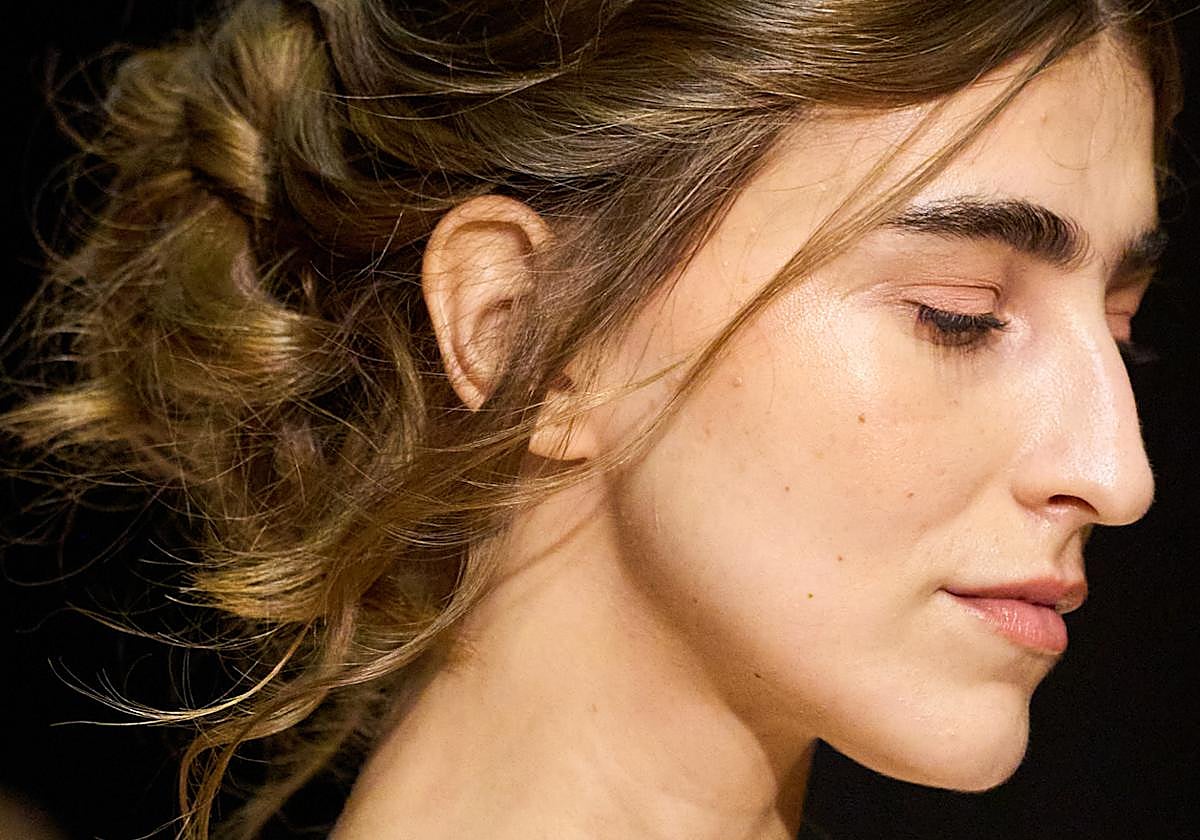
A pleasant scent or silky texture might be the reason you reach for a particular face cream, but neither one tells you whether the product actually works. Fragrance and texture shape how enjoyable a cream feels to use, but they say little about how effective it is on the skin.
Beauty brands know how much the sensory experience of a product matters to shoppers, and in an industry that rolls out new launches every week, scent and texture have become a way for brands to stand out from one another. Even so, a cream that smells wonderful is not necessarily more effective, just as a nearly scentless product can turn out to be one of the best allies for the skin.
That does not mean shoppers should stop enjoying their favourite products or give up the pleasure of applying a perfumed cream. It does mean understanding what is actually being bought, and above all, what can realistically be expected from it.

The role of fragrance in skincare
Many creams sold in pharmacies have little or no scent, while others win customers over mainly through their fragrance. The difference comes down largely to the type of formula used and the experience a brand wants to offer.
Fragrance makes the moment of applying a cream more pleasant, and it can also mask the natural smell of certain ingredients. But its presence does not mean a product will hydrate better, improve skin firmness, or help smooth wrinkles.
Some fragrance components can trigger allergic reactions, so people with sensitive skin or certain skin conditions need to pay close attention to these ingredients when checking a label.
Natural doesn't always mean better
Shoppers should also be wary of assuming that anything with a natural origin is automatically better for the skin. Essential oils, which appear in many cosmetics, can likewise cause reactions in certain skin types, regardless of their plant-based origin.
What actually matters when buying a cream
For dehydration, glycerin and hyaluronic acid are considered good allies, since both work to draw moisture into the skin and help it retain water. If skin feels tight or especially dry, ceramides can help: these are lipids that occur naturally in the skin and support the outer barrier that keeps moisture in and irritants out.
For those looking to improve the appearance of fine lines, retinol is an active ingredient with scientific evidence behind it, though not every skin tolerates it equally well. Retinol is a vitamin A derivative long used in anti-ageing formulas, and it can cause irritation in some users, particularly when first introduced.
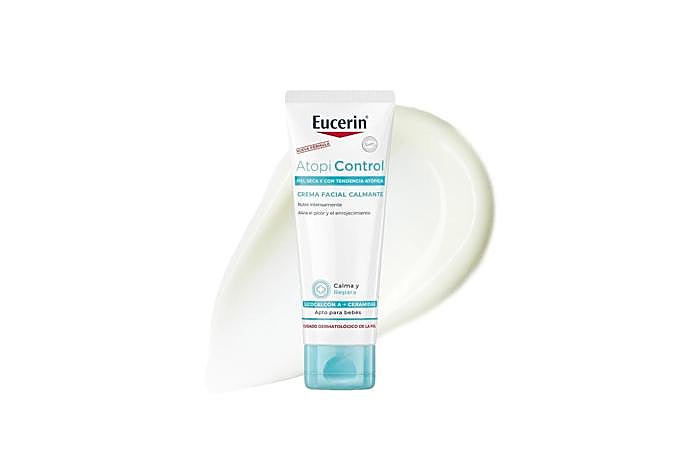
Eucerin, the dermo-cosmetics brand behind the Atopi Control calming facial cream shown above, is one of several lines that build their products around actives intended for sensitive or reactive skin.
Even so, shoppers should not fixate on chasing whichever ingredient happens to be trending at the moment and hunting for it in every cream they buy. The overall formulation, the concentration of the active ingredients, and how an individual's own skin responds to them matter just as much as whether an ingredient simply appears somewhere on the label.
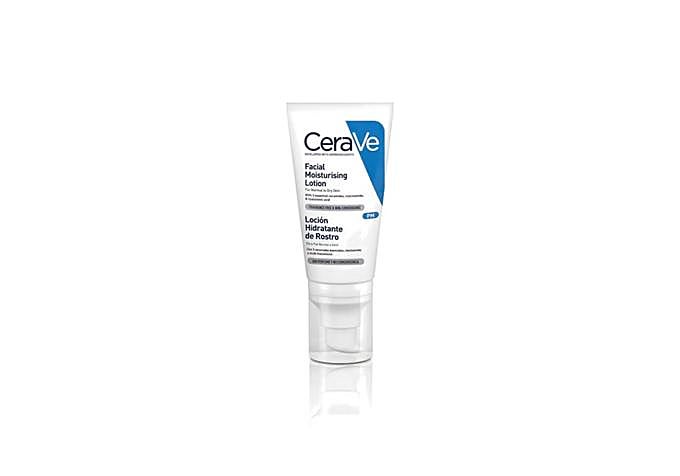
CeraVe, the brand behind the moisturising lotion pictured here, has built its reputation on ceramide-based formulas developed with dermatologists that aim to replenish the skin's natural barrier.
There is also something that often gets forgotten in conversations about beauty: not every skin needs the same thing, even among people of the same age. The cream a friend has used for years and recommends to everyone else may not work the same way for someone else.
What to ask before buying
So the next time you are restocking your skincare bag, the advice is to ask what your skin actually needs before being won over by a delicious scent or an especially pretty bottle. And if, on top of meeting that need, the cream turns those few minutes in front of the mirror into one of your favourite moments of the day, that is simply a welcome bonus.
Test yourself
According to the article, what does a pleasant fragrance in a cream indicate about its effectiveness?
Which ingredient does the article say helps support the skin barrier for tight or dry skin?
What does the article identify as a well-evidenced active ingredient for reducing the appearance of fine lines?
Have your say
What matters most to you when choosing a skincare product?