

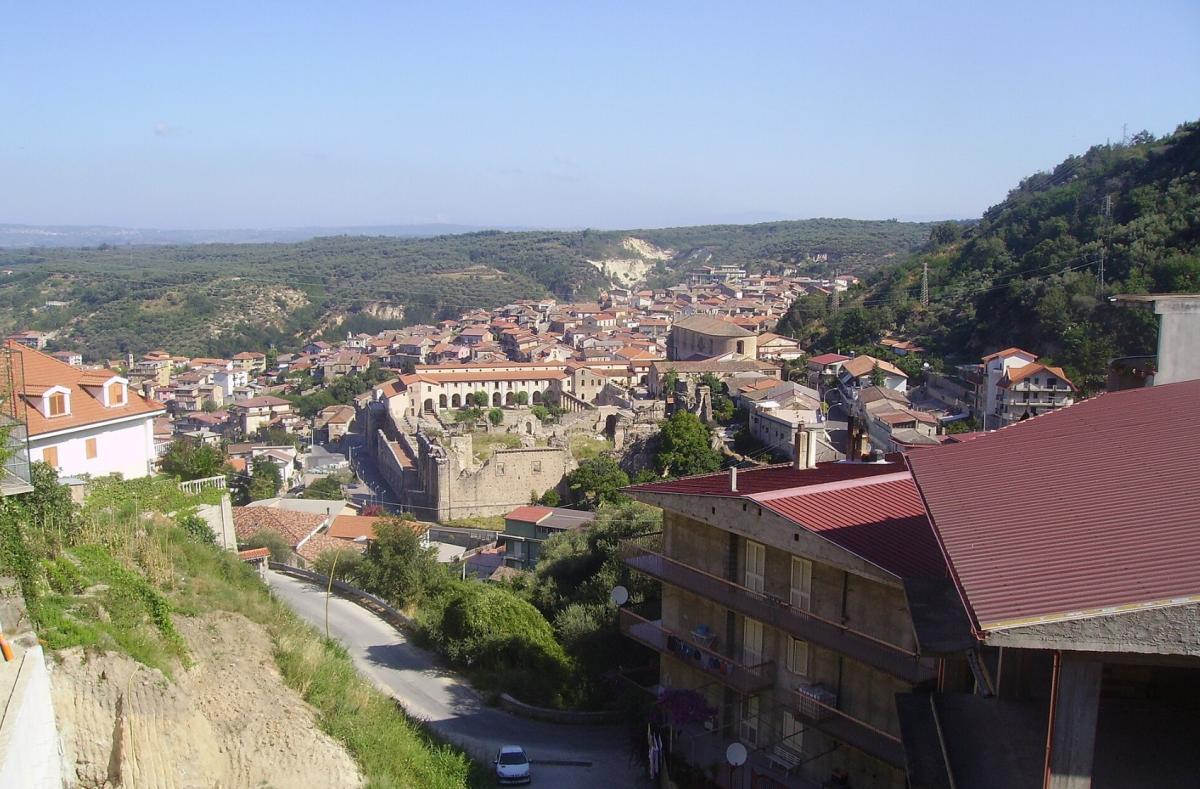
The mountain village of Sorianello in Calabria, southern Italy, faces an ongoing population decline that has cut its resident count to just over 1,000 people.
The population of the settlement previously stood at 1,400 to 1,500 residents in the early 1800s and expanded to more than 2,000 by the 1960s. A steady demographic contraction began shortly after, leaving empty homes, quiet schools, and fewer children throughout the area.
While foreign visitors frequently associate southern Italy with coastal destinations in Sicily, interior mountain settlements like Sorianello remain largely overlooked, according to a report by Hungarian lifestyle publication Hamuesgyemant.
The decline stems from broader economic difficulties across Calabria and southern Italy, where communities have endured decades of poverty, scarce job opportunities, and a shortage of fertile agricultural land. Beginning in the late 19th and early 20th centuries, millions of people emigrated from southern Italian regions to pursue better prospects.
In Sorianello, migration became a self-reinforcing movement over time. Initial departures often involved single men, who were later followed by brothers and entire families relocating to northern Italy or overseas.
Impact on Village Infrastructure
The ongoing outflow of residents has left visible marks across the village landscape. Several older homes stand vacant, local shops have shuttered, and former school buildings no longer serve their original educational functions.
A former municipal administration building sat unused for years, though local efforts are underway to renovate the facility and restore public services. One hall inside the old school building now lies empty, although long-time residents recall teaching and attending classes in the space.
Homes along the village's narrow cobblestone streets vary widely in condition. Some structures were originally erected as temporary housing with tight, irregular floor plans. Other properties have undergone complete interior renovations while maintaining weathered exterior facades.
Byzantine monks and the Catholic community played a central role in the history of Sorianello, a heritage preserved by the local church. A prominent tower stands as a defining symbol of the village skyline.
Cultural Heritage and Daily Life
Small religious niches containing images of saints, including representations of the Virgin Mary and the infant Jesus, are embedded into house walls throughout the settlement. Many older buildings retain original terracotta floor tiles, crafted wooden doors, and underground cellar spaces once utilized for making and storing wine or vinegar.
The outward migration that started over a century ago continues today. Young residents regularly leave to pursue employment in larger cities across Calabria, northern Italy, or foreign countries, driving down the child population and further shrinking the village.
Despite the reduced population, Sorianello remains an active community rather than a deserted ghost town. Local families continue to purchase and restore older properties, while small open-air cultural performances are held during the summer months.
Basic municipal services remain fully functional, providing access to running water, electricity, medical care, a post office, and a pharmacy. Neither homelessness nor hunger is common in the community, with residents maintaining reliable access to essential foodstuffs.
Roads and Regional Depopulation
The steep mountain terrain and tight street layouts make driving difficult inside the village. Nevertheless, local drivers routinely navigate even the narrowest thoroughfares.
Sorianello is one of numerous Italian settlements confronting severe population loss. Elsewhere in Italy, some municipal governments have attempted to revive declining towns by offering semi-ruined homes for one euro or providing financial relocation incentives, though Sorianello has not adopted such property sales.
Calabria forms the southwestern tip of the Italian peninsula, bordered by the Tyrrhenian and Ionian seas. The rugged region has historically experienced lower economic growth compared to northern Italian industrial hubs, leading to sustained migration waves throughout the 20th century.


