

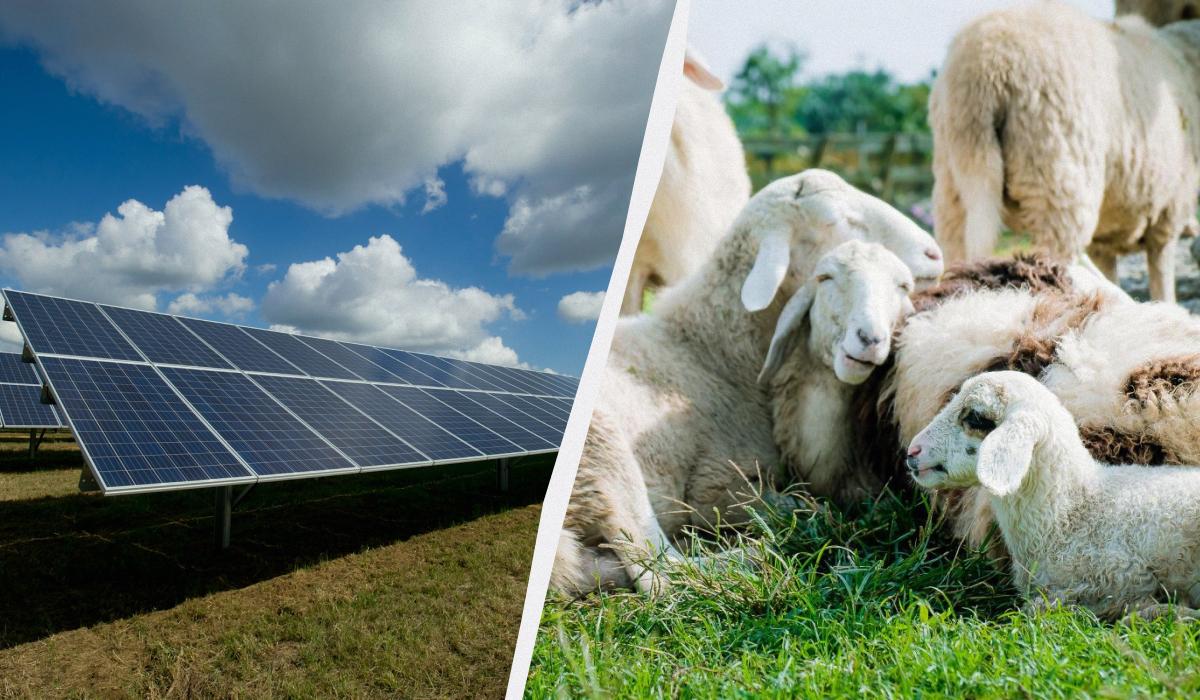
Sherco Solar in Minnesota brought in 2,000 sheep and a guard donkey to control tall prairie vegetation threatening power generation. Ecoportal reported that management resolved the issue without using machinery or chemical herbicides, exceeding expectations.
The 710-megawatt solar power plant is the largest renewable energy facility in the Upper Midwest. It spans roughly 2,000 hectares of former agricultural land across Minnesota.
Fast-growing weeds and prairie grasses thrived in the open landscape, growing tall enough to shade the lowest row of solar panels. This shading blocked sunlight from reaching the panel edges, causing inverter shutoffs and cutting electricity output.
Prairie plant overgrowth challenges
Conventional mowers posed serious risks to the facility. Mowers would create dust clouds that coat the panels and block light, while flying rocks or machinery impacts could destroy entire panel rows.
Site maintenance involved more than cutting grass. Ecological teams had planted 35 species of native grasses and wildflowers to stabilize topsoil and feed local bees and butterflies.
Invasive weeds soon crowded out the native species. The weeds created dense layers of dead vegetation that trapped moisture around panel mounts, accelerating metal rust.
Sheep grazing and coyote defense
The introduced sheep control invasive weeds by eating plants close to the soil. Their hooves compact the ground to help native seeds take root, while their manure enriches the soil and grazing prevents dead grass buildup.
The sheep move safely around the site without blocking sunlight or damaging infrastructure. Meanwhile, a guard donkey provides round-the-clock protection against coyotes.
Ecoportal explained that donkeys hold a natural aversion to wild canines. The donkey stays alert through the night and aggressively drives predators away before they reach the sheep.
Solar resilience during Florida hurricanes
Solar infrastructure has also demonstrated resilience during severe storms elsewhere in the United States. The Pulse previously reported that the small town of Babcock Ranch, Florida, survived three destructive hurricanes with almost no damage.
Hurricanes Ian, Helene, and Milton left neighboring communities without power, water, or communications. Babcock Ranch maintained continuous electricity, internet, and Wi-Fi service throughout the storms.
Planners designed Babcock Ranch for extreme weather by locating it inland to reduce storm surge risks and building resilient infrastructure. Underground power lines protected the town grid from falling trees and high winds that typically sever overhead lines.


