

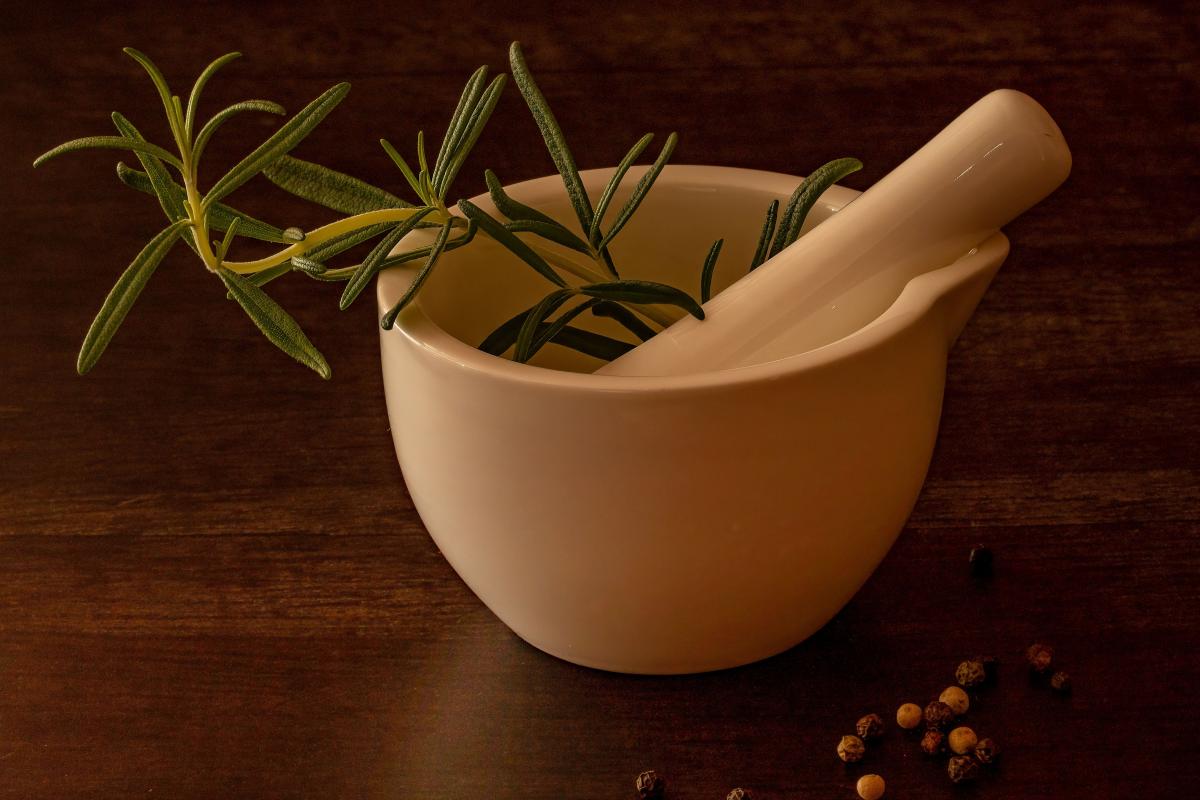
Rosemary improves memory, concentration, and nervous system health according to scientific research cited by Click. The spice, which is usually added to meat or potatoes, contains antioxidants, anti-inflammatory compounds, antibacterial properties, and neuroprotective properties that help the body fight oxidative stress.
The main component behind the aroma of rosemary is cineole. Research shows cineole affects memory and concentration by acting on acetylcholine, a neurotransmitter responsible for cognitive functions. Specialists state that aromatherapy using rosemary essential oil is one of the most effective methods because inhaled volatile compounds rapidly enter the respiratory tract to affect the nervous system.
Scientific research on rosemary benefits
A 2009 study involving people diagnosed with dementia found that a month of aromatherapy sessions was linked to improved cognitive function. Researchers noted that carnosic acid in rosemary stimulated memory and neutralized cell-damaging free radicals through its antioxidant properties.
A 2020 Japanese study showed that taking rosemary extract for four weeks was linked to higher mental energy levels, better sleep quality, and improved cognitive functions. That same year, another study on laboratory animals demonstrated that the plant may produce antidepressant effects by influencing dopamine levels that regulate mood. Additionally, a 2018 study found that students taking rosemary-based food supplements for a month reported better concentration and memory improvement.
Hibiscus tea for blood pressure
Dietitians previously stated that unsweetened hibiscus tea is the best post-dinner drink for people with high blood pressure. The beverage contains no caffeine and is rich in plant polyphenols, including flavonoids that dilate blood vessels and improve blood flow. Experts noted that drinking approximately three cups of hibiscus tea daily for six weeks can lower systolic blood pressure.


