

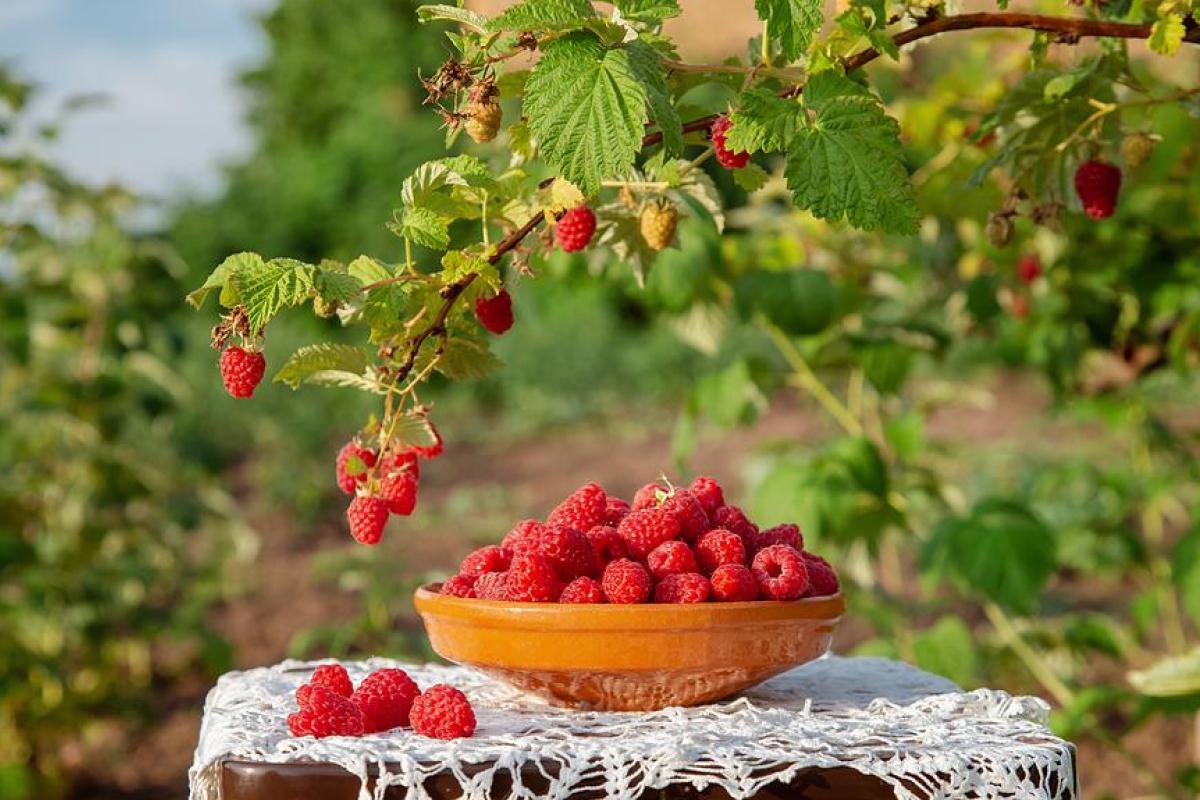
August is a busy month for raspberries, with summer varieties finishing their last berries while autumn varieties are just starting to fruit. Homes & Gardens reports this citing experienced gardener Drew Swainston.
Swainston said the type of raspberry determines what care the bushes need this month. Harvesting, watering and weeding apply to all varieties, but pruning and tying in should only be done on summer-fruiting canes, since cutting back autumn raspberries now could mean losing the crop.
Harvesting and Pruning
Summer varieties fruit from June to August, while autumn varieties ripen from August until early October. Berries are ready when fully colored, red, yellow or purple depending on variety, and come away easily from the core.
Summer raspberries fruit on last year's canes, so old brown stems should be cut to the ground once harvesting ends. New green canes should be left alone, as they will bear fruit next summer. Canes should then be thinned to 6 to 8 inches (15 to 20 cm) apart, removing damaged or weak stems.
Tying In and Watering
Healthy canes should be tied to a support, usually wires strung between posts, using soft materials like jute twine, garden tape or strips of old t-shirts.
Because raspberries have shallow roots, the top 5 cm of soil should stay consistently moist, with plants needing 2.5 to 5 cm of water weekly during fruiting. Swainston said drying soil during fruiting causes berries to shrivel.
Weeding and Bird Protection
Weeds should be pulled by hand or with a garden fork to avoid damaging shallow roots, and mulching with compost, bark or straw helps retain moisture and suppress weeds. Bushes should also be covered with a fruit cage or netting, secured at the ground with pegs or bricks to keep birds from getting underneath.


