

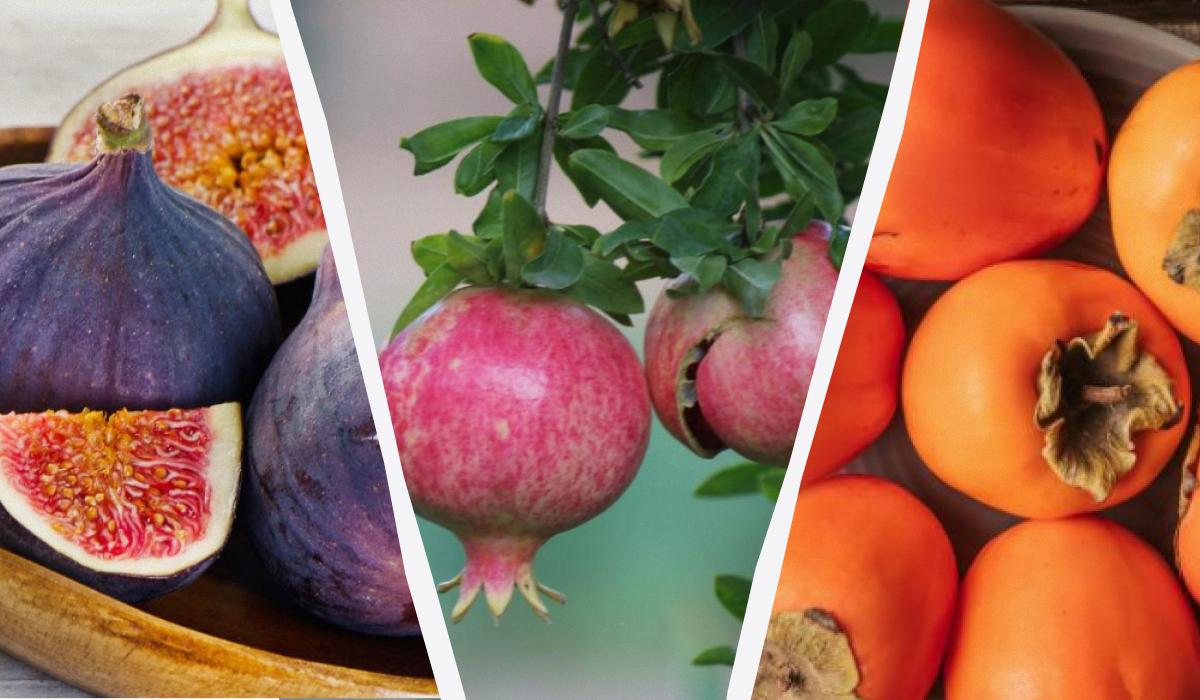
Homes and Gardens named seven low-maintenance fruit trees that yield abundant crops while handling drought and poor soil with minimal care. Fruit trees cannot grow entirely without attention. Young trees require regular watering in their first years, while periodic pruning and fertilising support growth and yield.
However, certain trees require far less attention than others, making them ideal for gardens where constant care is impossible.
Drought-resistant fig and persimmon options
Fig trees are among the best choices for busy gardeners. Once established, figs tolerate drought, poor soils, and long hot summers. They grow best in full sun and well-drained soil, though deep watering during prolonged dry spells increases harvest. Heavy and waterlogged soils must be avoided.
Persimmon trees can grow for years with minimal care while providing heavy yields. Deep root systems allow established trees to endure dry summers. Persimmons thrive in full sun, though they tolerate light shade in warmer regions.
Pomegranate and olive tree care
Pomegranate trees require well-drained soil and abundant sunlight, becoming highly drought-resistant after establishing. Young trees need regular deep watering during their first two years to form strong roots. Afterwards, light pruning to remove dry or crowded branches is sufficient. In colder regions, dwarf varieties can grow in large containers and move to sheltered spots during severe winter cold.
Olive trees adapt well to varied conditions, withstanding prolonged heat and drought while also growing in cooler, wetter climates. Olives thrive in full sun and well-drained soil. Silver-green leaves reflect sunlight to reduce water loss in hot summers, requiring only the removal of dry branches and unwanted shoots near the base.
Mulberry, pawpaw and jujube details
Mulberry trees tolerate diverse conditions once rooted, though extreme heat may require deep watering. They produce sweet annual fruit with little attention. Dwarf varieties suit small gardens in containers, but growers must select varieties carefully because some types are invasive.
Pawpaw trees, native to eastern United States forests, suit gardeners seeking unusual fruit without complex care. Young trees need shade protection from harsh afternoon sun, fertile well-drained soil, and regular watering during their initial years. Large leaves turn golden-yellow in autumn, and trees yield mango-like fruits after flowering before growing with almost no care after several years.
Jujube trees are among the hardiest fruit trees, enduring hot dry summers and winter cold. They grow best in full sun and well-drained soil, including sandy ground. Jujubes naturally resist most pests and diseases, require minimal pruning, and yield sweet fruit that turns from green to reddish-brown as it ripens. Regular watering is only needed during their first two years while root systems form.
Shade trees and fruit drop
UNIAN previously reported that certain tree species create comfortable summer shade within a few years of planting. Gardeners also explained that trees dropping immature fruit is usually a natural process to improve crop quality, though growers must intervene if shedding continues past a certain time to save the harvest.


