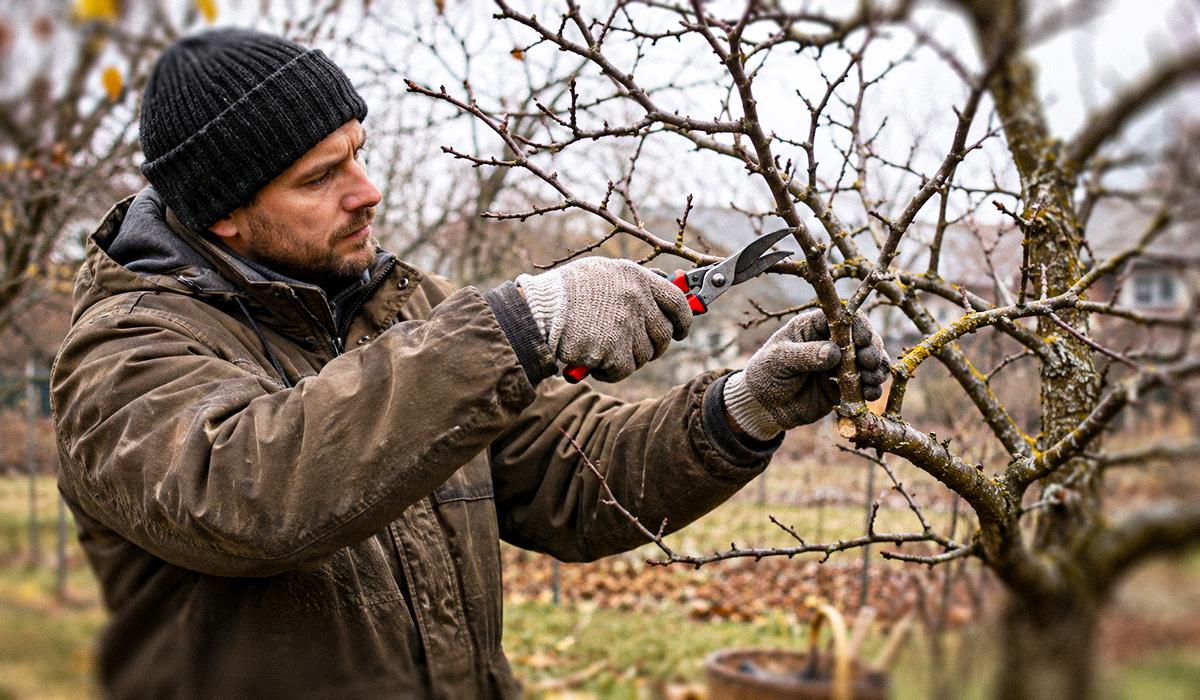
Gardeners are being advised to prune pear trees in November, before the first hard frosts arrive, to set up a much larger harvest for next summer. According to experienced gardeners, a pear tree can put on so much growth over the summer that its crown becomes overly dense, a problem made worse if the tree was given a rejuvenating prune in spring.
The main culprits are so-called wolf shoots, or water sprouts: thick young shoots that grow straight upward and sprout on the tree during spring and summer. These shoots do not produce fruit, but the tree still spends a great deal of energy keeping them alive, which ultimately affects the quality of the pears it does grow.
Why autumn pruning matters
Gardeners say wolf shoots are easy to spot because of their thickness and upright growth, and nearly all of them can be cut away, leaving only two or three to help shape the crown. Old, dried-out and diseased branches should also be removed. Left in place over winter, a dry branch can snap under the weight of snow and fall, damaging healthy branches as it goes. Diseased branches and those that will no longer bear fruit are of no use to the tree either.
There is one important caveat: pruning should only be done when there is no frost, and never below minus 5 degrees Celsius. In harder frost, the cut surface can develop a crust and the bark can crack.
How to prune a pear tree correctly
Gardeners should first clean and disinfect their tools using any convenient method. For wolf shoots, the advice is to find the thin part of the shoot and cut where it starts to thicken, a technique known as cutting to the ring. Long one-year shoots should be shortened by a third, cutting so that the remaining bud faces away from the crown rather than inward. All old, diseased and dry branches should be removed completely.
Treating the cuts
Every cut should be sealed with garden varnish or covered with children's plasticine, which gardeners say helps the wound heal faster. Where larger branches had to be removed with a saw rather than secateurs, those wounds are better coated with an oil-based paint made with linseed oil.
Gardeners are also warned to burn damaged, diseased, old and dry branches rather than dumping them over the fence or on a scrap heap. These parts of the plant are likely to carry disease, and if left lying on the ground, bacteria can reach the tree again through the soil.
Test yourself
What do experienced gardeners say pear trees waste energy on if left unpruned?
Below what temperature should pruning be avoided?
What should be done with diseased, old and dry branches after pruning?
Have your say
Do you prune your fruit trees in autumn?