
Dr Genesis Guillen, a clinical nutritionist and maternal health specialist in Santo Domingo, reported that weight fluctuations across different pregnancies in the same woman stem from complex hormonal, metabolic, and lifestyle changes rather than overeating alone.
Guillen explained that a woman can follow a similar diet across separate gestations yet experience entirely different weight results, gaining significantly during one pregnancy while maintaining or even losing weight during another.
The guidance was reported in Santo Domingo by journalist Mayra Perez Castillo, detailing how underlying medical conditions and maternal habits influence weight trajectories during gestation and breastfeeding.
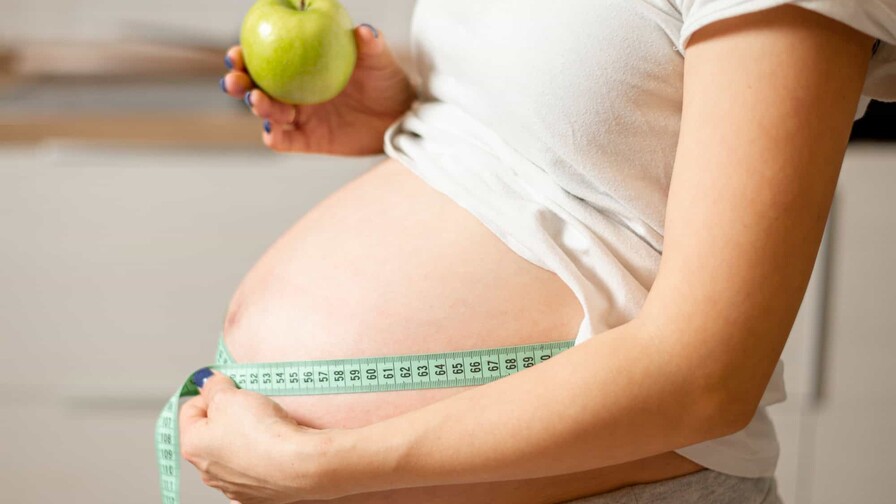
Guillen stated that every pregnancy presents unique physical conditions and symptoms. Severe pregnancy symptoms such as hyperemesis gravidarum can lead to weight loss, whereas an increase in daily caloric consumption results in weight gain.
Hyperemesis gravidarum is a severe form of morning sickness characterized by intense nausea and persistent vomiting during pregnancy. It can prevent expectant mothers from keeping down liquids and food, leading to dehydration, electrolyte imbalances, and unintended weight loss that requires medical supervision.
Hormonal and Metabolic Factors
According to Guillen, maternal age also alters how the body stores fat during pregnancy due to shifts in metabolism. While maternal age is an unchangeable factor, she emphasized that daily eating habits and physical exercise remain fully modifiable.
Basal metabolic rate, which dictates how quickly the body burns calories at rest, naturally shifts over time and across different reproductive stages. These physiological changes explain why women consuming similar amounts of food in two different pregnancies can experience distinct weight outcomes.

Guillen noted that weight changes can manifest during any gestation, regardless of whether it is a woman's first, second, or third pregnancy. Some women experience high weight gain during their initial pregnancy, while others encounter significant metabolic shifts in subsequent pregnancies.
Medical Warning Signs and Complications
Guillen outlined specific warning signs that signal a need for prompt medical evaluation. These include weight gain that exceeds expected boundaries during routine follow-ups, or weight loss that begins to impair the growth and weight of the unborn baby.
Uncontrolled eating during pregnancy can lead to serious health conditions such as gestational diabetes or gestational hypertension, Guillen warned. Additionally, significant weight loss that necessitates nutritional supplementation requires direct medical oversight.
Gestational diabetes involves elevated blood sugar levels that develop during pregnancy, while gestational hypertension is characterized by high blood pressure arising after 20 weeks of gestation. Both conditions can increase risks during delivery and affect long-term maternal and fetal health if left unmanaged.
Healthy Management and Perinatal Care
To maintain a healthy weight without obsessing over the scale, Guillen recommended adhering to a specialized nutritional plan during pregnancy. She advised expectant mothers to restrict weight checks exclusively to scheduled prenatal consultations.
Perinatal consultations are routine health check-ups conducted by medical providers throughout pregnancy and after childbirth. These visits allow clinicians to track fetal development, monitor maternal blood pressure and weight, and adjust dietary guidance safely.
Guillen highlighted pre-pregnancy weight and baseline habits as critical factors for maternal care. For women living with pre-pregnancy obesity, Guillen explained that doctors do not attempt weight loss during pregnancy, but instead control weight gain within established safety limits to prevent life-threatening risks to the mother and baby.
For ongoing health during pregnancy and lactation, Guillen recommended drinking sufficient water, eating a varied and complete diet, walking daily, and ensuring any specialized exercise is supervised by an expert. She added that weight should be monitored continuously at every perinatal consultation.