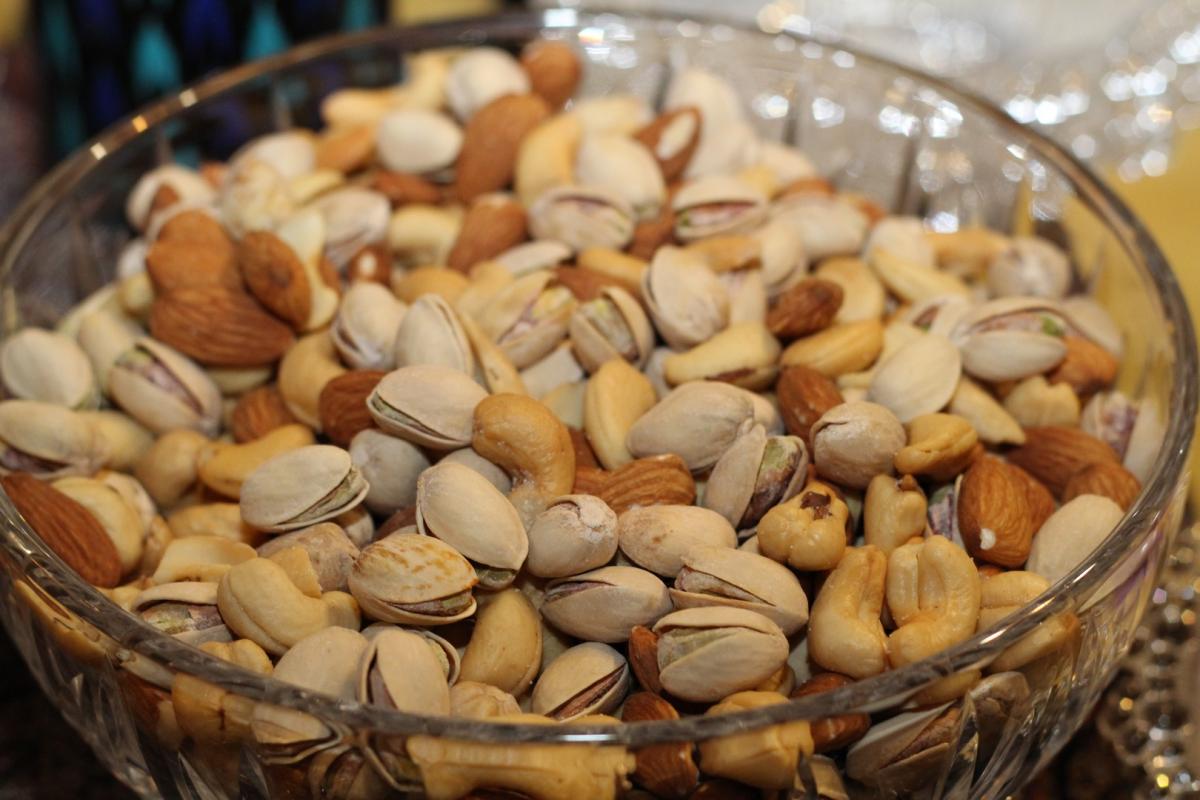
Eating pistachios daily can help lower high blood pressure and improve overall cardiovascular health, health site Verywell Health reported, citing multiple clinical studies examining the nutritional benefits of the nut.
Research published in the journal Complementary Therapies in Medicine confirmed that regular pistachio consumption reduces systolic blood pressure, which measures the pressure in blood vessels when the heart contracts. The study also associated pistachio intake with lower fasting blood sugar levels, reduced cholesterol, and improvements in several other health indicators.
Additional evidence came from a four-month study published in the journal Nutrients involving adults with overweight or obesity. Participants who consumed about 42 grams of pistachios each day experienced reductions in both systolic and diastolic blood pressure, even though members of both the pistachio group and the control group lost roughly the same amount of weight.
A third clinical trial, published in the Journal of the American Heart Association, focused on adults with type 2 diabetes who added pistachios to a moderate-fat diet. After four weeks, participants recorded a 3.5 mmHg drop in systolic ambulatory blood pressure, with the largest reduction occurring during sleep. Ambulatory blood pressure refers to measurements recorded continuously over 24-hour periods using a wearable monitoring device.
Clinical evidence and biological mechanisms
Blood pressure measurements consist of two readings recorded in millimetres of mercury (mmHg). Systolic pressure represents arterial pressure during heartbeats, while diastolic pressure measures pressure between contractions. Sustained high arterial pressure damages blood vessels over time and increases cardiovascular disease risks.
Scientists attribute the blood pressure lowering potential of pistachios to several key nutritional components. The nuts contain L-arginine, an amino acid that converts inside the human body into nitric oxide. Nitric oxide acts as a vasodilator, causing blood vessel walls to relax and widen, which lowers arterial pressure.
Pistachios also provide a high concentration of potassium, a mineral that relaxes blood vessel walls and helps the kidneys excrete excess sodium from the body. In addition, unsaturated healthy fats and antioxidants present in the nuts support vascular health. Substituting pistachios for less nutritious snacks introduces heart-healthy compounds that actively support blood pressure management.
Nutritional profile and recommended serving size
Health experts note that a daily portion of 28 grams, equivalent to about 49 pistachios, provides meaningful cardiovascular benefits. Clinical studies evaluating blood pressure impacts frequently used slightly larger daily amounts, such as 42 grams. Data from the United States Department of Agriculture indicates that a 42-gram serving of pistachios supplies 159 kilocalories, 5.7 grams of protein, 7.7 grams of carbohydrates, and 3 grams of dietary fiber.
The United States Department of Agriculture tracks macro and micronutrients across food groups. Pistachios rank among the tree nuts highest in potassium, while offering dietary fiber and plant-based protein that support metabolic function.
Precautions and broader dietary recommendations
Health professionals advise against consuming heavily salted pistachios, as added sodium counteracts blood pressure benefits by promoting fluid retention. Consumers should select unsalted or lightly salted varieties instead. Individuals with tree nut allergies, irritable bowel syndrome, or advanced kidney disease should exercise caution before adding pistachios to their daily diet.
Irritable bowel syndrome is a gastrointestinal disorder where fermentable carbohydrates in nuts may trigger digestive discomfort. Advanced kidney disease impairs the body's ability to filter excess potassium from blood, requiring patients to monitor potassium intake under medical guidance.
Medical experts emphasize that pistachios alone cannot lower blood pressure without broader dietary improvements. Combining nut intake with the Dietary Approaches to Stop Hypertension diet yields greater improvements in blood pressure and cholesterol. The DASH eating plan emphasizes fruits, vegetables, lean poultry, fish, low-fat dairy, whole grains, legumes, seeds, and nuts, while limiting total daily sodium intake to 2,300 milligrams or less.
The findings align with previous health reporting by news agency UNIAN regarding dietary strategies for blood pressure control. Cardiologists highlighted legumes, including black beans, lentils, and chickpeas, as top foods for cardiovascular health due to their rich content of potassium, magnesium, and dietary fiber.