

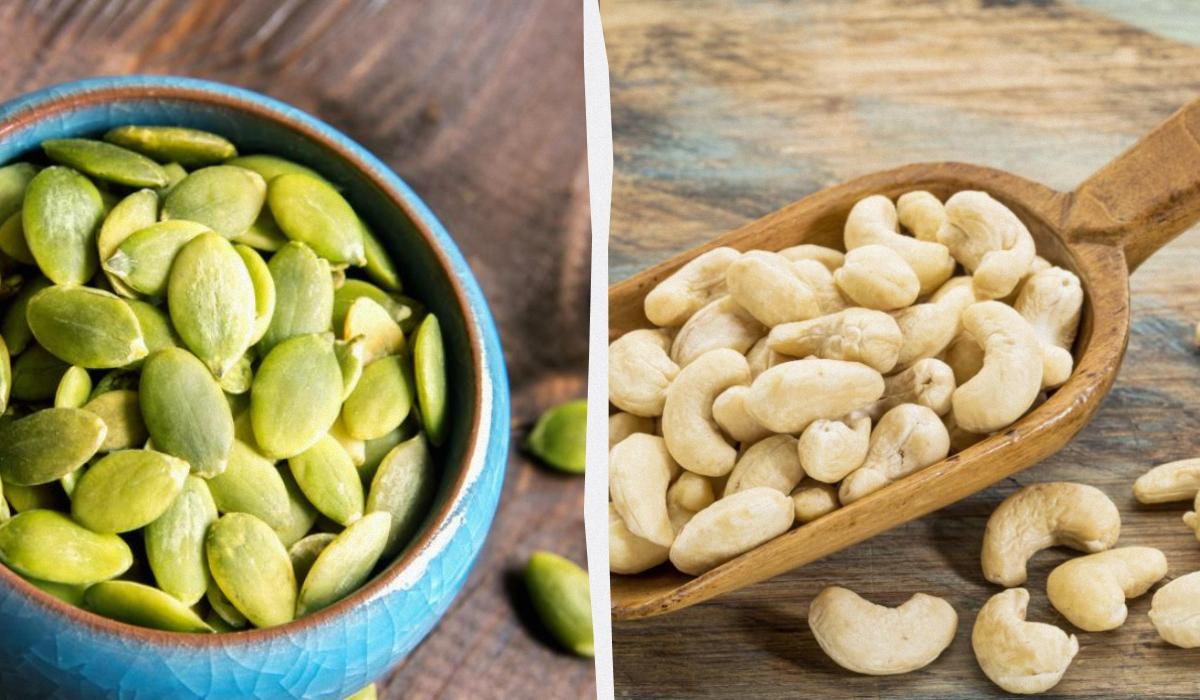
Four varieties of nuts and seeds can help promote hair growth and protect against hair thinning when added to a daily diet, health publication Verywell Health reported.
Cashews, flaxseed, pumpkin seeds and walnuts contain essential vitamins, minerals, protein and fatty acids that nourish hair follicles, but health experts warned that excessive intake of certain nutrients can actually worsen hair loss.
While hair loss often stems from stress or deficiencies in iron and vitamin D, incorporating nutrient dense foods can help restore vital compounds needed for scalp health. However, Verywell Health noted that an overabundance of vitamin A, selenium or iron can cause toxic effects and trigger further hair shedding. Individuals should consult a doctor and test their nutrient levels before making significant dietary changes.
Hair follicles are living structures in the scalp that rely on a steady supply of oxygen and micronutrients delivered through the bloodstream to produce keratin, the fibrous protein that forms human hair strands. Deficiencies in trace minerals can disrupt the natural growth cycle, leading to premature shedding or brittle hair shafts.
Cashews and scalp blood flow
Cashews provide a rich combination of iron, copper, zinc and protein that supports hair recovery and prevents damage, according to data from the American Association of Naturopathic Physicians. These nutrients help strengthen hair follicles and improve blood circulation across the scalp. The protein contained within the nuts provides building blocks to maintain structural hair strength.
To support hair growth, experts recommend consuming a handful of cashews each day. Cashew oil can also be applied directly to the scalp and hair from roots to tips, left on for one hour or overnight, and then thoroughly washed out.
Naturopathic medicine focuses on using natural remedies and dietary adjustments to support bodily self-healing. Zinc plays a crucial role in cellular repair and oil gland function around hair follicles, while copper aids in maintaining blood vessel integrity and melanin synthesis, which gives hair its natural pigment.
Flaxseeds and home gel preparation
Flaxseed offers high concentrations of omega-3 fatty acids, alpha-linolenic acid, lignans, soluble fiber, iron, protein, vitamin E and B vitamins, according to a comprehensive study on plant cosmetics made from flax. These nutrients moisturize damaged hair, boost overall hair health and strengthen individual strands to prevent breakage.
Ground flaxseed can be incorporated into daily meals or blended into smoothies. Beyond dietary consumption, flaxseed can be prepared as a topical gel by boiling two cups of water with a quarter cup of flaxseed until the mixture thickens and forms a foam. Once strained and cooled, the resulting gel is applied to damp hair for 30 to 60 minutes before being rinsed out.
Alpha-linolenic acid is an essential plant-based omega-3 fatty acid that helps maintain cell membrane flexibility and reduces inflammation. Lignans are antioxidant polyphenols found in high amounts in flaxseed that help protect hair follicles from oxidative stress caused by environmental factors.
Pumpkin seeds and hormone blocking
Pumpkin seeds supply essential zinc, magnesium and iron to support the repair of damaged cells and hair follicles, an article on plant remedies for hair loss stated. In addition to cellular restoration, pumpkin seeds can block the action of dihydrotestosterone, a hormone linked to hair thinning, particularly in men.
Health guidelines suggest eating a small handful of pumpkin seeds daily to maintain nutrient levels. Pumpkin seed oil can be taken orally as a cold-pressed capsule supplement or massaged into the scalp and hair for 30 minutes before rinsing with shampoo.
Dihydrotestosterone, commonly known as DHT, is an androgenic hormone derived from testosterone. In genetically susceptible individuals, DHT binds to receptors in scalp hair follicles, causing them to shrink over time in a process known as follicle miniaturisation, which ultimately leads to hair thinning and pattern baldness.
Walnuts and nutrient deficiencies
Walnuts deliver a comprehensive nutritional profile containing omega-3 fatty acids, biotin, vitamin E, potassium, iron, zinc, protein and copper. These combined nutrients support scalp health, prevent active hair shedding and stimulate new hair growth, especially among individuals suffering from underlying nutrient deficits.
Consuming a daily handful of walnuts helps sustain these benefits. Similar to other nut extracts, walnut oil can be applied directly to the hair and scalp, left in place for an hour or overnight, and then cleansed with shampoo.
Previous health analyses have highlighted that eating walnuts daily delivers broader wellness benefits due to their high content of omega-3s, protein, fiber and melatonin. Dietitians have also listed eight protein-rich nuts as optimal snack choices, noting that regular nut consumption within a balanced diet supports heart health, cognitive function and weight control.


