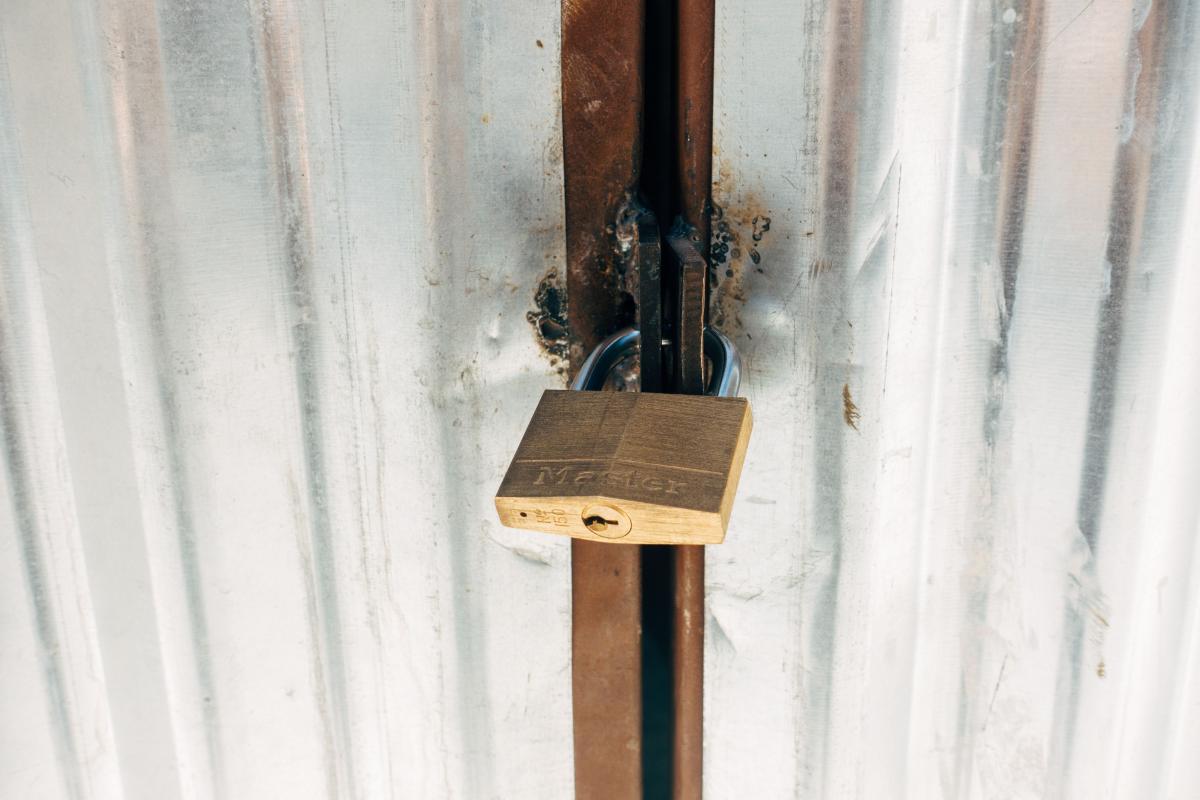
Padlocks hanging on sheds, garden gates, bicycles and basement doors hide a handful of deliberate design tricks that most owners never notice in a lifetime of using them, according to the website Drevostavitel.
The outlet reported that manufacturers build in features to guard against cutting, drilling and corrosion, including markings stamped into the metal and tiny holes that serve a practical purpose rather than being manufacturing defects. A padlock is one of the simplest security devices around, usually made up of a metal body, an internal locking mechanism and a curved metal bar called a shackle that loops through whatever is being secured. Despite that simplicity, Drevostavitel said the details of how a padlock is built can make a real difference to how hard it is to break.
Hardened steel marking
Some padlocks carry the English word "Hardened" stamped into the metal shackle. According to the report, this is not a brand name or decoration but an indication that the shackle is made from hardened steel.
Hardened steel is heated to a high temperature and then rapidly cooled, a process that increases its hardness, Drevostavitel explained. The outlet said steel treated this way is harder to cut with a metal saw and better resists attempts to snap it with a crowbar. The shackle is usually one of the most vulnerable parts of a padlock, so hardened steel acts as an important barrier against forced entry, according to the report. It noted, however, that the stamp alone does not guarantee a high level of security, since that also depends on the thickness of the shackle and the overall design of the lock.
Double-locking mechanism
Removing a padlock's key and examining the shackle closely can reveal two small notches or grooves on some models, which are used to secure the locking mechanism, Drevostavitel reported. These appear on padlocks with double fastening, where the shackle is locked at both ends at once rather than just one.
The outlet said simpler locks secure the shackle on only one side, while higher-quality models are often fitted with two bolts or steel balls that slot into the grooves and hold the shackle firmly in place. This design makes the lock more resistant to being torn or wrenched open by force, according to the report. Buyers were advised to look for a "Double Locking" label on the packaging or the lock body, which indicates this double-fastening feature is present.
Protecting against drilling
Thieves do not only try to cut through a padlock's shackle. Another method is attempting to drill out the cylinder, the part of the lock into which the key is inserted, Drevostavitel said. Because of this, some padlocks include a hardened protective plate that makes drilling the mechanism more difficult.
In some models, the outlet reported, this plate can spin freely, so if someone tries to drill into it, the plate rotates along with the drill bit, making the job harder to complete. Drevostavitel noted that this feature is not standard on all padlocks, but its presence shows that security depends on more than a lock's size and weight alone.
The mystery of the small hole
Turning some padlocks upside down reveals a second, much smaller hole next to the keyhole. Many people assume it is a leftover from manufacturing, but Drevostavitel reported that it is often a drainage hole designed to let water escape from inside the lock.
Moisture can get inside a padlock through rain, snow or condensation, the outlet said, and if it stays trapped inside, it encourages corrosion to form. In winter, trapped water can also freeze and jam the lock's moving parts. The drainage channel reduces these risks, which is why it is important to keep it clear of dirt and debris, according to the report.
A hidden route to smoother operation
According to experts cited by Drevostavitel, the small hole on the underside of a padlock can serve a second practical purpose. In some models, it also provides access for lubricating the internal mechanism.
If a padlock becomes difficult to open or its shackle moves stiffly, a lubricant designed specifically for lock maintenance can help, the experts said. They cautioned against using just any oil, warning that some lubricants attract dust and dirt that gradually worsen the mechanism's performance over time, and said manufacturers' own recommendations should always be followed when choosing one.
The experts also recommended carrying out basic maintenance on outdoor padlocks before winter sets in. They said this care can extend a lock's lifespan and prevent the frustrating situation of a frozen padlock that will not open with the correct key on a cold morning.
What happens next
Experts recommended carrying out basic maintenance on outdoor padlocks before winter to help prevent them from freezing shut.
Test yourself
What does the word "Hardened" stamped on a padlock shackle indicate, according to Drevostavitel?
What does a "Double Locking" label on a padlock mean?
What is the small second hole near the keyhole on some padlocks for?
Have your say
Do you check for security features like hardened steel marks or double locking before buying a padlock?