


Orthodox Christians mark the Feast of the Transfiguration of the Lord on August 19, 2026, an annual religious holiday widely known in folk tradition as Apple Spas. Believers across Russia and former Soviet states observe the day by bringing newly harvested apples to church for blessing and offering festive greetings to family members.
The Russian publication Lenta.ru released a comprehensive holiday guide on August 18, compiled by staff writer Ksenia Dorofeyeva and edited by Galina Vasilyeva. The guide outlines poetic and prose greetings, liturgical regulations, scriptural origins, and traditional gift customs associated with the celebration.

Holiday Greetings and Festive Poems
Traditional observances include exchanging festive verses and heartfelt written messages. Lenta.ru highlighted multiple rhyming greetings wishing relatives health, peace, and spiritual joy. Some verses celebrate the August harvest of rosy apples, early morning sunrises, and spiritual vigils, while others ask God to protect households from adversity and fill homes with summer warmth.
Short prose greetings center on wishes for family harmony, abundance, and divine grace. Authors recommend wishing recipients a life as sweet and juicy as ripe garden apples, accompanied by warm home atmospheres filled with fruit aromas. Several messages reference seasonal baking, wishing recipients a life as sweet as a tea charlotte pie and requesting angelic protection in all daily endeavors.
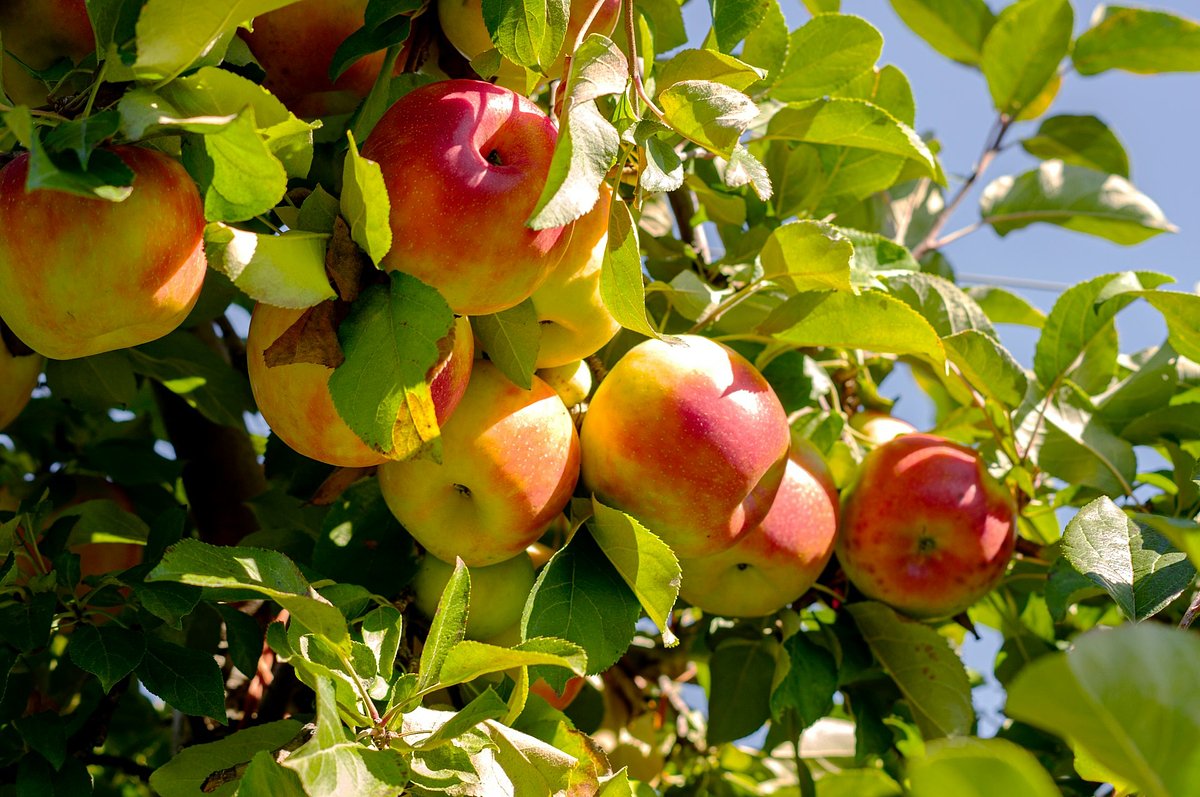
Prose options also include dedicated templates for spouses, children, and close friends, encouraging senders to insert personal names. Senders are advised to wish that all personal efforts bear fruit on schedule, just as apple trees produce their finest crop in late summer.

Longer prose messages incorporate broader spiritual reflections. One message compares family well-being to a ripe apple, wishing that no figurative worm ever spoils its core, while cautioning against apples of discord in favor of healing and rejuvenating fruit. Another greeting draws a parallel between human life and an apple orchard that blossoms in spring, gives generously in summer, and yields sweet fruit in autumn.

Religious Origins of the Transfiguration
Despite the popular association with fruit harvests, the religious feast of the Transfiguration of the Lord has no direct scriptural connection to apples. The observance ranks among the twelve Great Feasts of the Orthodox Church calendar, commemorating a pivotal event in Christian theology.
According to biblical scripture, Jesus Christ led three of his closest apostles, James, John, and Peter, up Mount Tabor. On the mountain, Jesus revealed his divine nature to the disciples, explaining that he would lay down his life for human sins before rising from the dead and ascending into heaven. As he spoke, his garments turned as white as light, and a voice from heaven commanded the disciples to listen to his beloved Son.
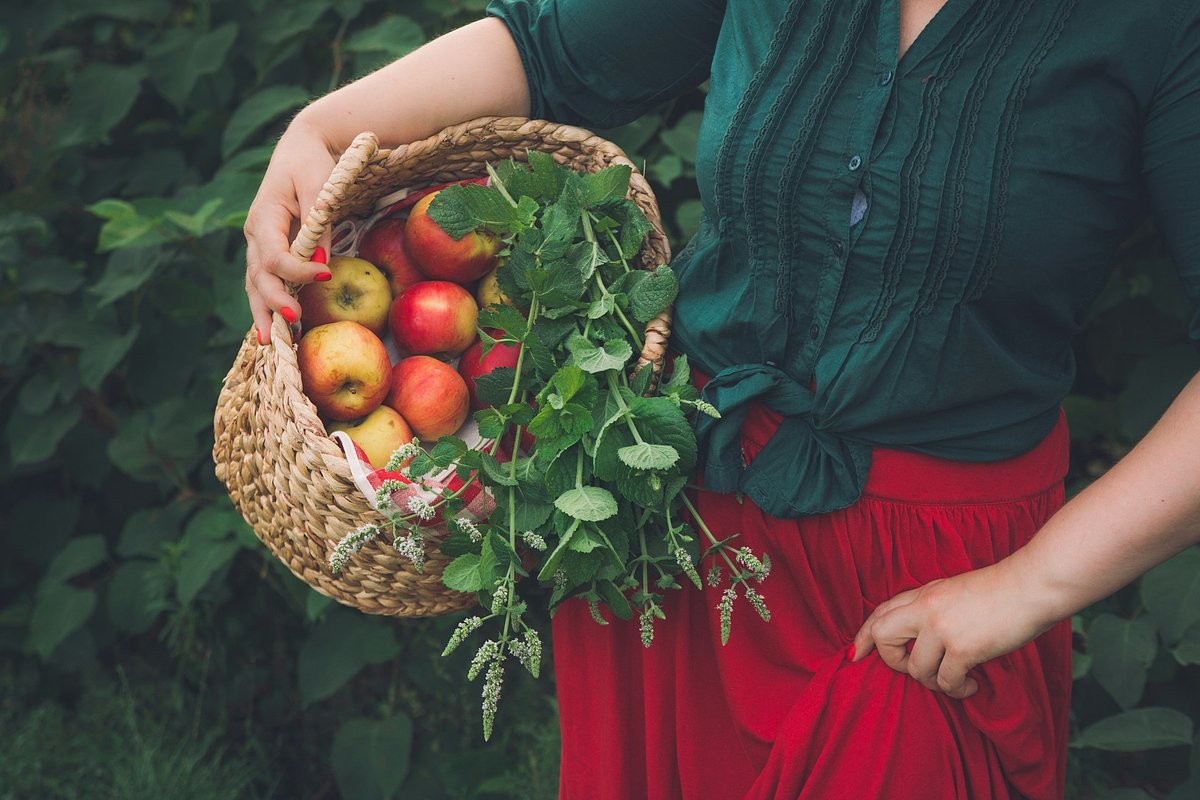
The connection to apples arose from regional agricultural patterns rather than theology. Church canon prescribes bringing the season's first fruits to church for consecration. In Russia and neighboring countries, apples reach full maturity around August 20, leading locals to associate the biblical feast with the apple harvest.
Liturgical Calendar and Fasting Rules
The Feast of the Transfiguration falls during the Dormition Fast, a period of spiritual preparation in the Orthodox calendar. Unlike feasts tied to Pascha, the date of Apple Spas remains strictly fixed on August 19 every year.
The holiday is framed by specific liturgical periods known as pre-feast and post-feast. The celebration includes a single pre-feast day on August 18, intended for believers to complete heavy physical labor, clean their homes, and prepare spiritually. On the eve of the feast, churches hold the All-Night Vigil service, which begins at sunset and continues until dawn. The observance extends through a seven-day post-feast period, concluding on the Leave-taking of the Feast, when clergy repeat the primary holiday liturgy for those unable to attend on August 19.
Traditional Gifts and Observance Customs
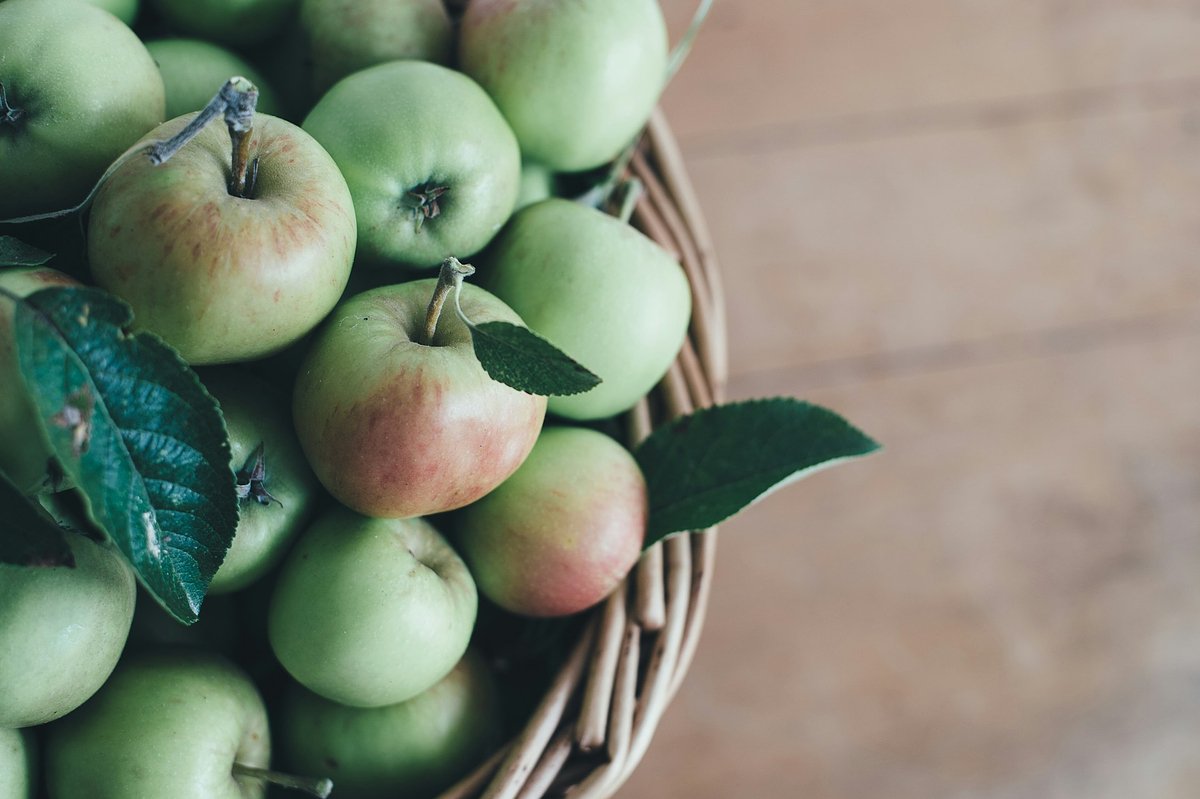
Customary gift-giving on Apple Spas relies heavily on traditional foods and symbolic items. Consecrated apples from church services remain the most traditional present, though senders must offer them with pure intentions and goodwill toward the recipient.
Festive food gifts include natural apple pastila and homemade or store-bought apple pies. Guide authors noted that sugar-free and flour-free pastila options allow diabetics and health-conscious individuals to participate in the culinary tradition. Families also exchange recipe books focused on apple desserts and charlottes.
Non-food items include personalized patron saint icons and hand-painted wooden or ceramic apples designed as household talismans. Practical options encompass skincare products containing apple extracts, such as malic acid enzyme peels and body scrubs. Gift suggestions also highlight tea blends flavored with dried apple slices and cinnamon for cool August evenings, as well as cloth bags of dried apples harvested from private gardens.


