The Moscow city government has highlighted ten top historic estates across the capital as part of its year-round Estates of Moscow project. Participants in the initiative walk through the city's most scenic estates and parks, complete assigned tasks, and earn various gifts.
Moscow contains more than 400 preserved historic manors, with over 130 designated as cultural heritage objects of federal and regional significance. About 40 large palace and park complexes are fully open to visitors, offering free admission to their grounds and convenient access via the Moscow metro.
Classification and History of Capital Estates
Moscow estates were constructed between the 16th and early 20th centuries across four main categories: royal country residences and hunting grounds, boyar fiefdoms granted for service, hereditary noble manors, and private properties bought by merchants and industrialists.
Historian Olga Buianova said most Russian estates were gifts from monarchs rather than private purchases, noting that boyars and nobles were the country's first dacha owners. The word dacha derives from the Old Russian verb meaning to give, expanding under Peter I near Saint Petersburg and spreading near Moscow under Peter III and Catherine II following the 1762 Manifesto on Freedom of the Nobility, which freed nobles from mandatory service. Russian writer and philosopher Andrei Bolotov noted at the time that he enjoyed precious freedom and did whatever he wanted without needing to grovel or sly.
Estates featured distinct park styles, including English natural layouts, Italian fountain and sculpture arrangements, Chinese stone installations, open landscape forests, Russian fruit orchards, and formal French geometric parks. Literary scholar Irina Sharova stated estate life was tied to land ownership, noting that classic authors such as Aleksandr Radishchev, Aleksandr Pushkin, Ivan Turgenev, and Lev Tolstoy held large properties. Tolstoy earned one rouble per line for writing but drew his primary income from selling apples grown in his Yasnaya Polyana orchards. Historian Nikita Elkin noted Moscow grew outward from the Kremlin in radial rings, with estates built along outer frontiers forming semi-rings around the city center.
Altufevo Estate
Founded in 1585, Altufevo is a noble and private estate built in pseudo-Russian and Russian Baroque styles, featuring an English park near Altufevo metro station. Elkin stated its first owner was Neupokoy Myakishev, keeper of the Tsar's Bread Court. After being destroyed in the Time of Troubles, the land passed to two military brothers before being inherited by Nikita Akinfov, who fell out of favor alongside Tsarina Yevdokiya Lopukhina, the first wife of Peter I. Akinfov received permission to name heirs who sold the estate, which changed hands about ten times prior to 1917.
The Church of the Exaltation of the Holy Cross was built in 1763 in Russian Baroque style, featuring a unique belfry in place of a traditional dome. Prince Stepan Kurakin, founder of the Moscow English Club, later hosted fable writer Ivan Krylov and writer Denis Fonvizin at the property. The surviving gingerbread palace was erected in the 1850s by Slavophile Nikolai Zherebtsov in the pseudo-Russian style.
Vorontsovo Estate
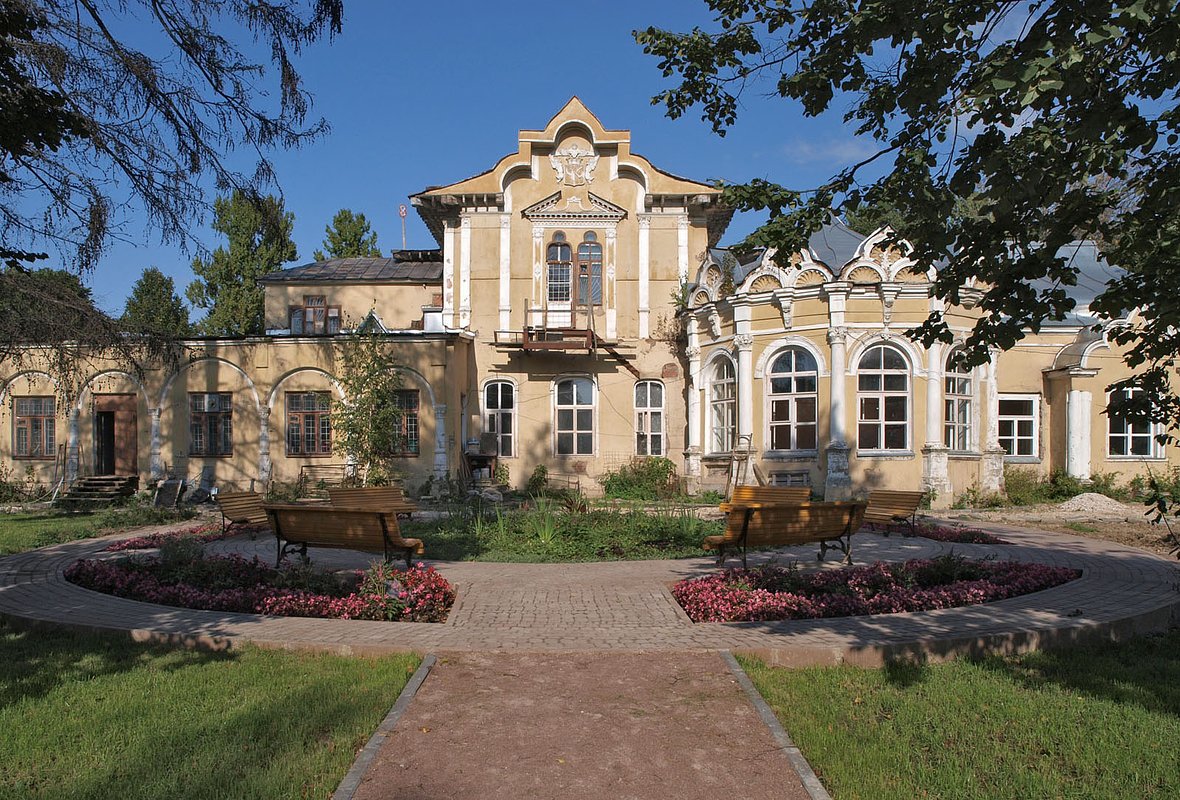
Vorontsovo, also known as Vorontsovsky Park, dates to the 14th century and combines Classicism and pseudo-Gothic architecture with Ottoman elements. Accessible from Novye Cheryomushki and Novatorskaya metro stations, it was named after its first owner, Boyar Fyodor Voronets, an ally of Prince Dmitry Donskoy. The estate later passed to Russian monarchs, including Ivan III, Vasily III, Ivan IV the Terrible, Fyodor I, Boris Godunov, Fyodor II, False Dmitry I, Vasily IV Shuisky, Mikhail I Romanov, and Aleksei I.
Under Tsar Aleksei Mikhailovich, the land went to Boyar Prince Boris Repnin, nicknamed Viper for his diplomatic cunning. His grandson Prince Pyotr Repnin built the current Baroque palace in 1744 to create a Moscow Versailles. The Turkish Gates were added in the late 18th century by General-Field Marshal Prince Nikolai Repnin to commemorate capturing the Romanian city of Macin during a Russo-Turkish war. The site later housed summer dachas, an NKVD prison, a Soviet sovkhov, and a 1941 defense line before becoming a public park in 1960.
Izmailovo Estate
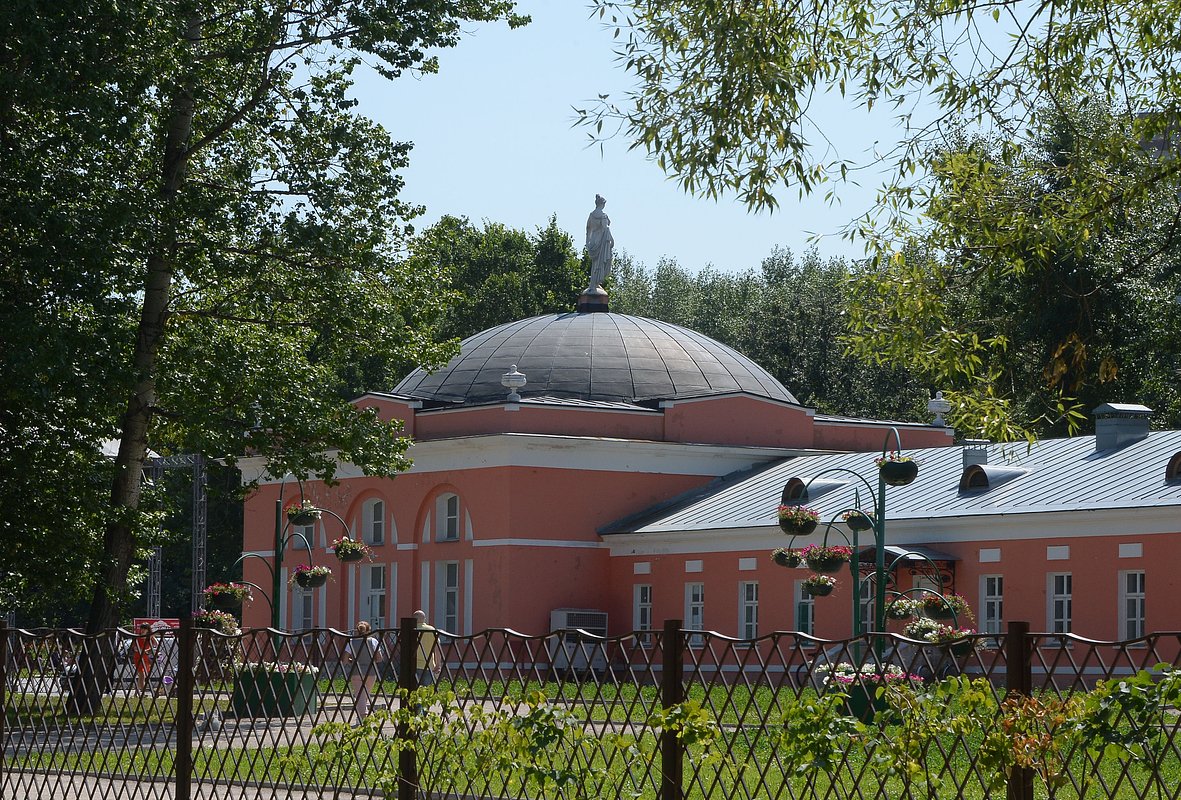
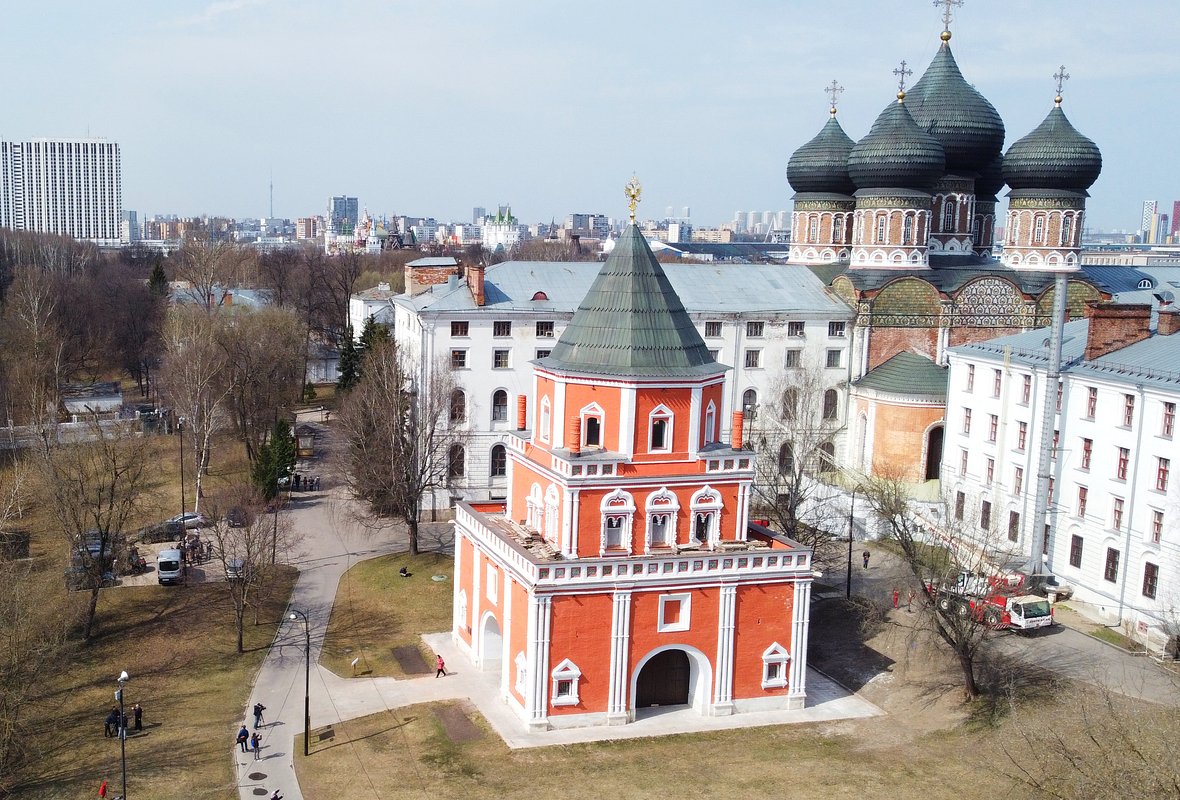
Founded in 1389 as a royal estate, Izmailovo combines Russian Uzorochye, Russo-Byzantine, and Empire styles near Partizanskaya and Izmailovskaya metro stations. Granted originally to voivode Lev Izmailov, it passed to Ivan the Terrible's brother-in-law Nikita Zakharyin-Yuryev before becoming a Romanov ancestral property. Tsar Aleksei Mikhailovich constructed dams that turned the estate into an island.
Elkin noted historians believe Peter I was born in Izmailovo, where his uncle Nikita Ivanovich bought the Saint Nicholas boat, known as the Botik of Peter the Great. Mock battles of the Semyonov and Preobrazhensky regiments took place on the grounds, and main churches were erected by Peter's brother Fyodor Alekseyevich and sister Sophia. Peter I granted the property in 1700 to Praskovya Fyodorovna, widow of Tsar Ivan V and mother of Empress Anna Ioannovna, who spent her childhood there. Nicholas I later built a military almshouse modeled on Les Invalides in Paris.
Preserved structures from the 17th to 19th centuries include the Tsar's Palace, Bridge Tower, Pokrovsky Cathedral, fountain, and military almshouse. After becoming an industrial suburb and a post-revolution worker settlement named after Bauman, the site gained protected status in 2007 adjacent to Izmailovsky Park. The Izmailovo Kremlin houses museums dedicated to animation, Grandfather's Attic, Baba Yaga's Hut, vodka history, Space Attic, Doll Lane, unusual bicycles, planetarium, torture and punishment, Russian toys, Straw Fleet, and bread, alongside Moscow's largest flea market operating since the late 1980s.
Kolomenskoe Estate
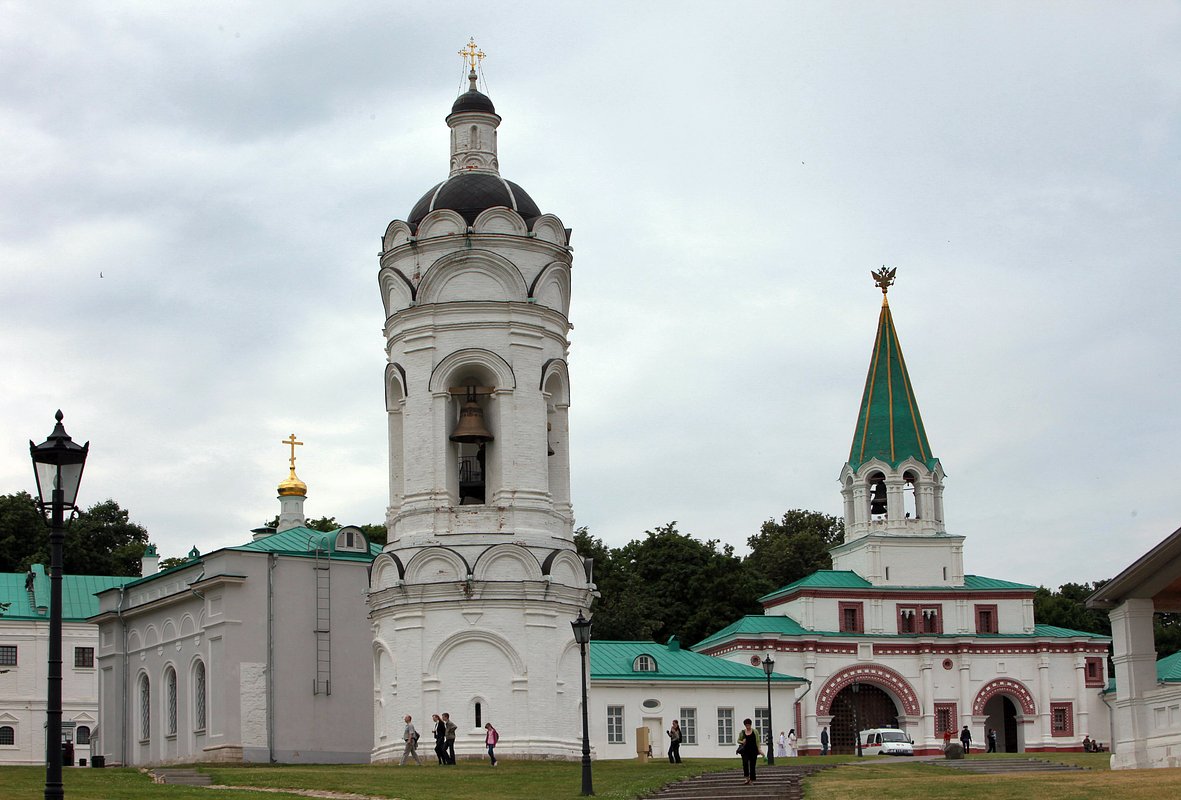
Kolomenskoe was founded in 1336 on a high bank of the Moscow River near Kolomenskaya, Kashirskaya, and Klenovy Bulvar metro stations. The royal estate features apple orchards, historic churches, a river embankment, and museum exhibits including two houses of Peter I, the Palace of Aleksei Mikhailovich, the Open-air Wooden Architecture Museum, Falconry Yard, Peasant and Blacksmith estates, and the Ethnographic Museum.
Historian Tamara Vlasova stated settlement dates to the first millennium BC with the Fatyanovo and Dyakovo cultures, noting the name may derive from the Old Russian word for pagan burial ground. The Church of the Decapitation of Saint John the Baptist stands near Chertovo Gorodishche, while Golosov Ravine was named after the cattle god Veles or Volos. Elkin cited historical legends, including a 1621 report of Crimean Tatar horsemen appearing from a 1571 army, an 1832 newspaper report of peasants Arkhip Kuzmin and Ivan Bochkarev returning 21 years after entering a green fog in 1810, and a 1926 report of a policeman shooting a 2.5-meter hairy figure. Visitors touch Goose Stone for masculine strength and Maiden Stone for health, though warning signs prohibit drinking local spring water.
Tsar Vasily III built the UNESCO-listed Church of the Ascension in the 1630s to celebrate the birth of Ivan the Terrible, who prayed there three days before declaring the oprichnina. Old oaks from the era of Peter I survive on the grounds, and the 270-room wooden palace of Tsar Aleksei Mikhailovich was reconstructed in 2010 using detailed blueprints ordered by Catherine II.
Kuzminki Estate
Kuzminki was founded in 1794 as a noble estate in Classicist and Empire styles near Kuzminki metro station. The grounds host the Museum of Russian Estate Culture, grottoes, dragon-adorned gates, the Egyptian Pavilion, Music Pavilion, an orangery, horse sculptures by Pyotr Klodt, cast-iron sphinx lions, the Music of Glory fountain, and an eco-trail to Moscow's Ded Moroz residence.
Buianova stated Peter I gave the land, then called Melnitsa, to Grigory Stroganov in 1704. Baron Aleksandr Stroganov constructed the Great Kuzminsky Pond, and his daughter Anna married Mikhail Golitsyn, establishing Golitsyn family ownership until 1917. Members of the House of Romanov frequently visited the estate, concluding with Grand Duke Sergei Alexandrovich and Princess Elizabeth.
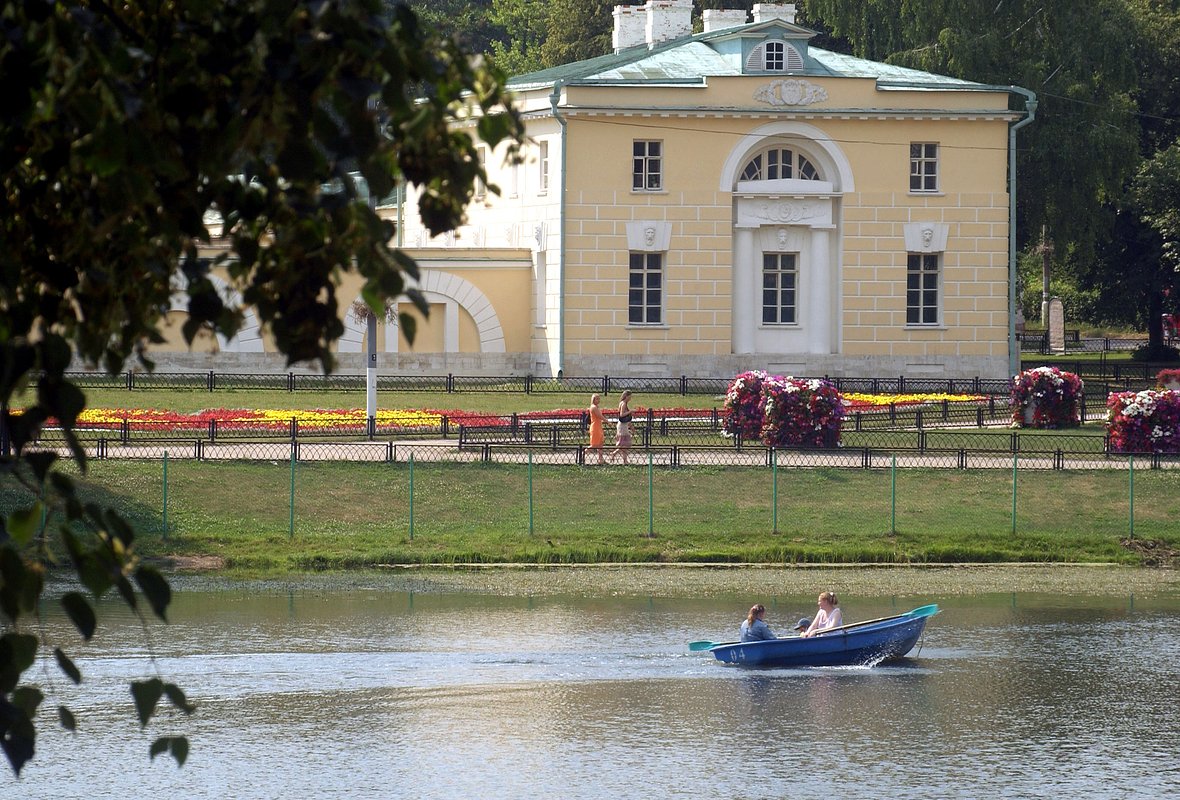
Kuskovo Estate
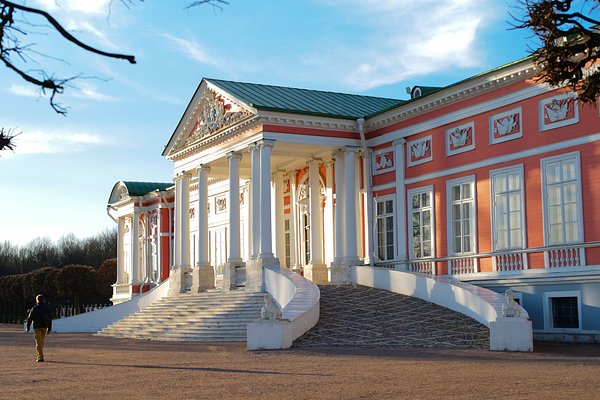
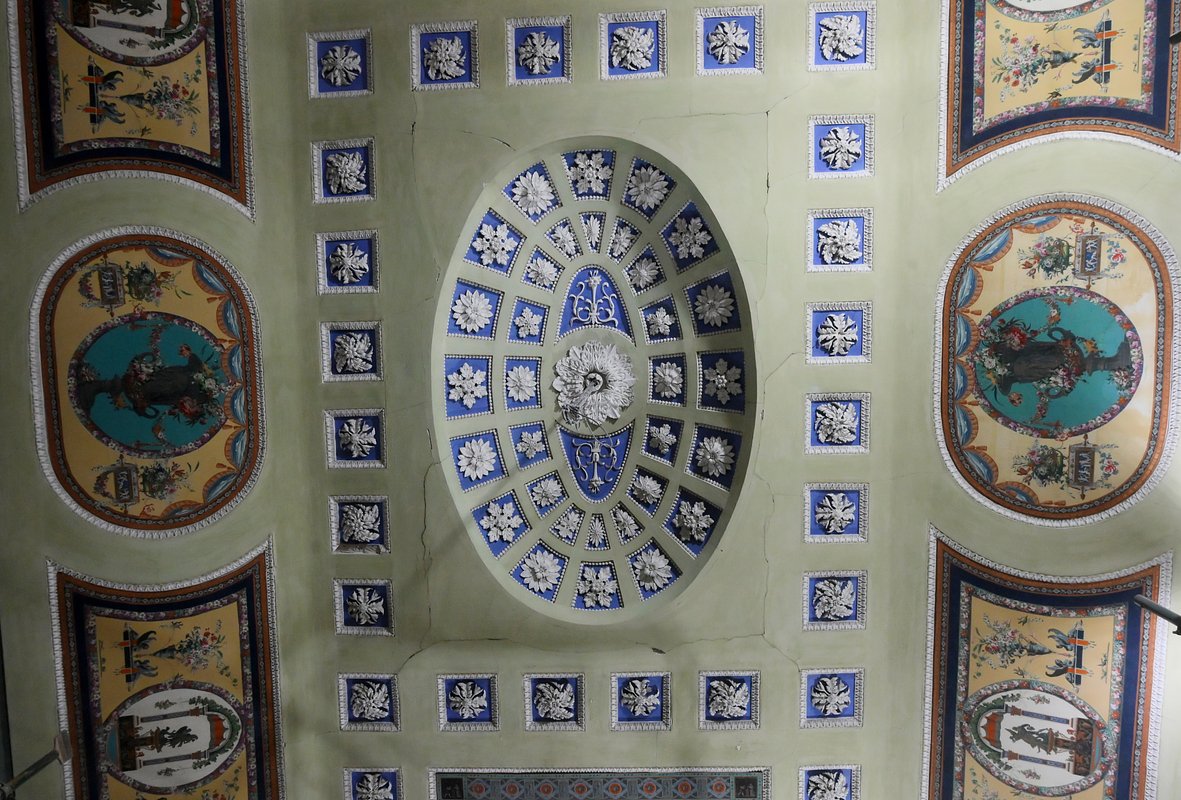
Founded in the late 16th century near Vykhino metro station, Kuskovo is an early Russian Classicist noble estate featuring Moscow's only surviving pure French regular park. Buianova stated the property belonged exclusively to the Count Sheremetev family for 300 years until 1917. Pyotr Sheremetev constructed the palace ensemble in the 1750s and 1770s, adding ponds with an island, a mock fortress, a 300-meter canal with a cascade fountain, and an English park named Gai containing the House of Solitude.
Royal visitors included Catherine II, Alexander I, Nicholas I, Polish King Stanislaw Poniatowski, Austrian Emperor Joseph II, and allegedly Napoleon Bonaparte during the War of 1812. Designated a museum-estate in 1918, Kuskovo displays the American Orangery, Dutch House, State Museum of Ceramics, Italian House, and Great Palace exhibits.
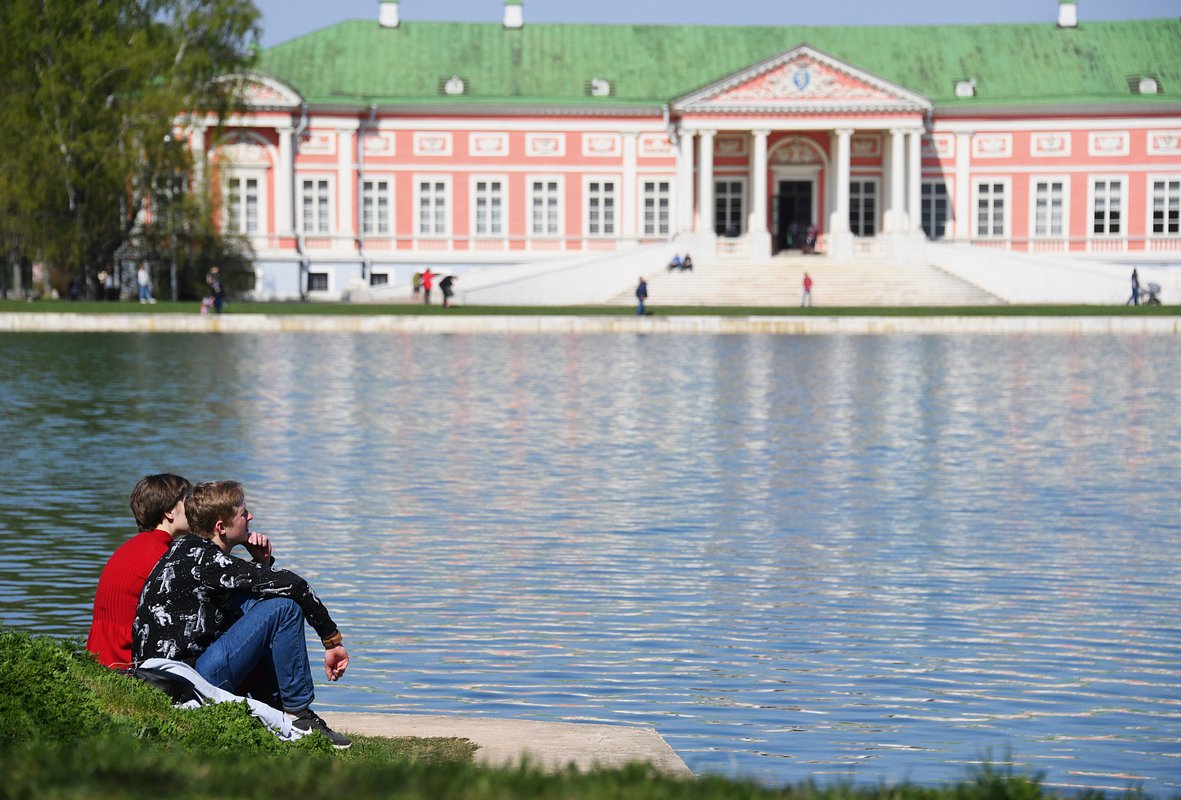
Lyublino Estate
Lyublino was founded in the late 18th century as a noble estate in early Classicist and Palladian styles near Volzhskaya and Pechatniki metro stations. Elkin cited a legend that Catherine II remarked she loved the scenery while passing in a carriage. Wealthy bachelor Nikolai Durasov bought the property in 1800, keeping large sterlet in ponds, growing pineapples in greenhouses, and building a cross-shaped Palladian palace with a private theater and choir. The original roof statue of Apollo was destroyed in a 1902 hurricane and replaced by the Herculanean Woman.
Sharova noted writer Fyodor Dostoevsky lived in a two-story stone house at Letnyaya Street No. 8/2 in the summer of 1866 while renting a dacha owned by his sister Vera Ivanova. Dostoevsky wrote chapter five of Crime and Punishment and planned The Gambler at Lyublino, drawing on his stay for his work The Eternal Husband.
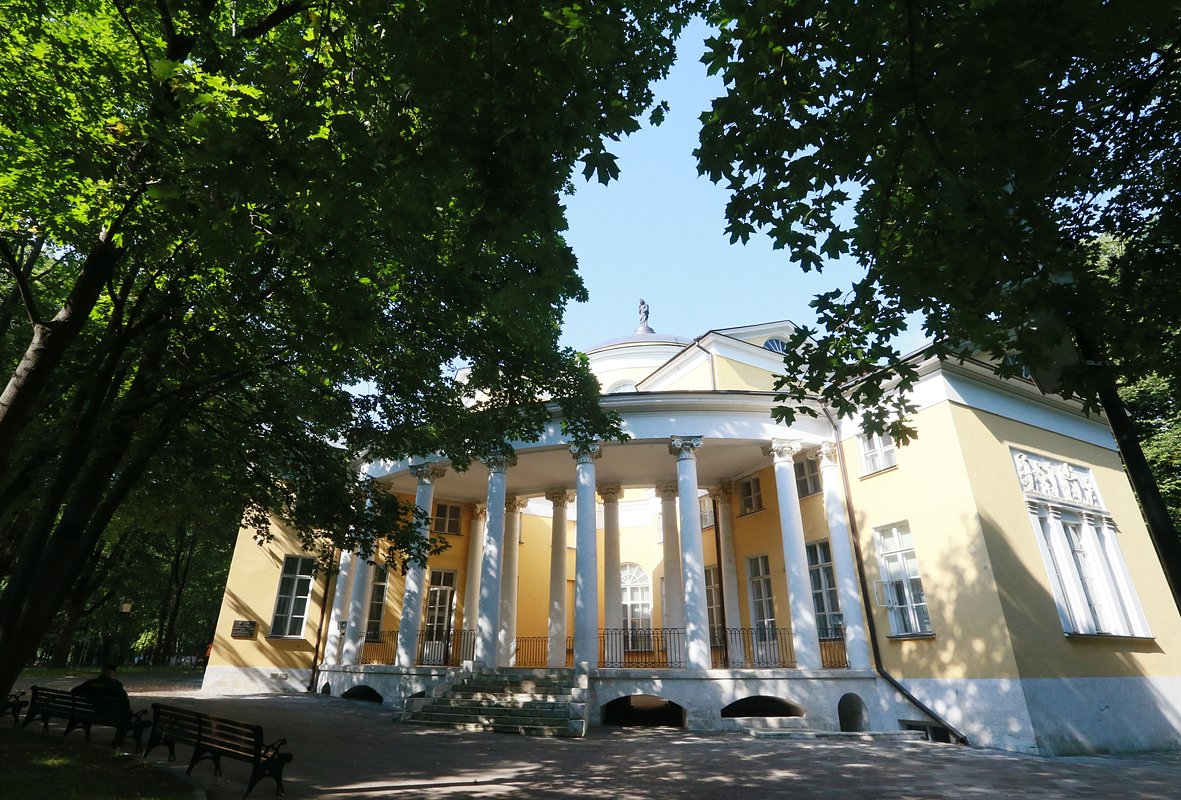
Neskuchnoye Estate
Founded in 1782 in Empire and Russian Baroque styles, Neskuchnoye, or Neskuchny Garden, forms part of Gorky Park near Leninsky Prospekt, Oktyabrskaya, Frunzenskaya, and Shabolovskaya metro stations. Buianova noted ownership by the Golitsyn, Trubetskoy, Shakhovskoy, Orlov, and Demidov families before the crown acquired the property in the 19th century and rebuilt the main structure into the Aleksandriysky Palace, now owned by the Russian Academy of Sciences.
Sharova noted the estate housed the 19th-century Air Theatre, an open-air venue visited by Aleksandr Pushkin and his fiancée Natalya Goncharova in the summer of 1830. Writer Ivan Turgenev featured the property in First Love, while his family home stood across the Moscow River on Ostozhenka Street.
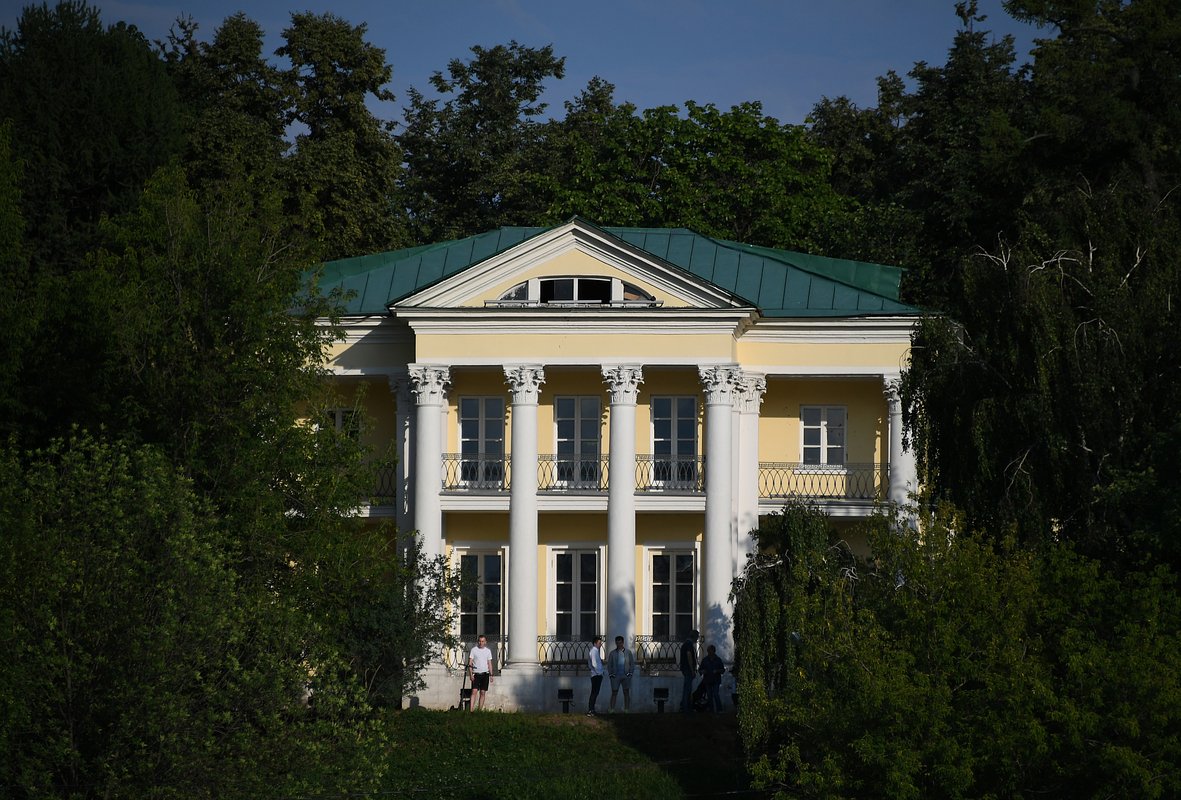
Petrovsko-Razumovskoye Estate
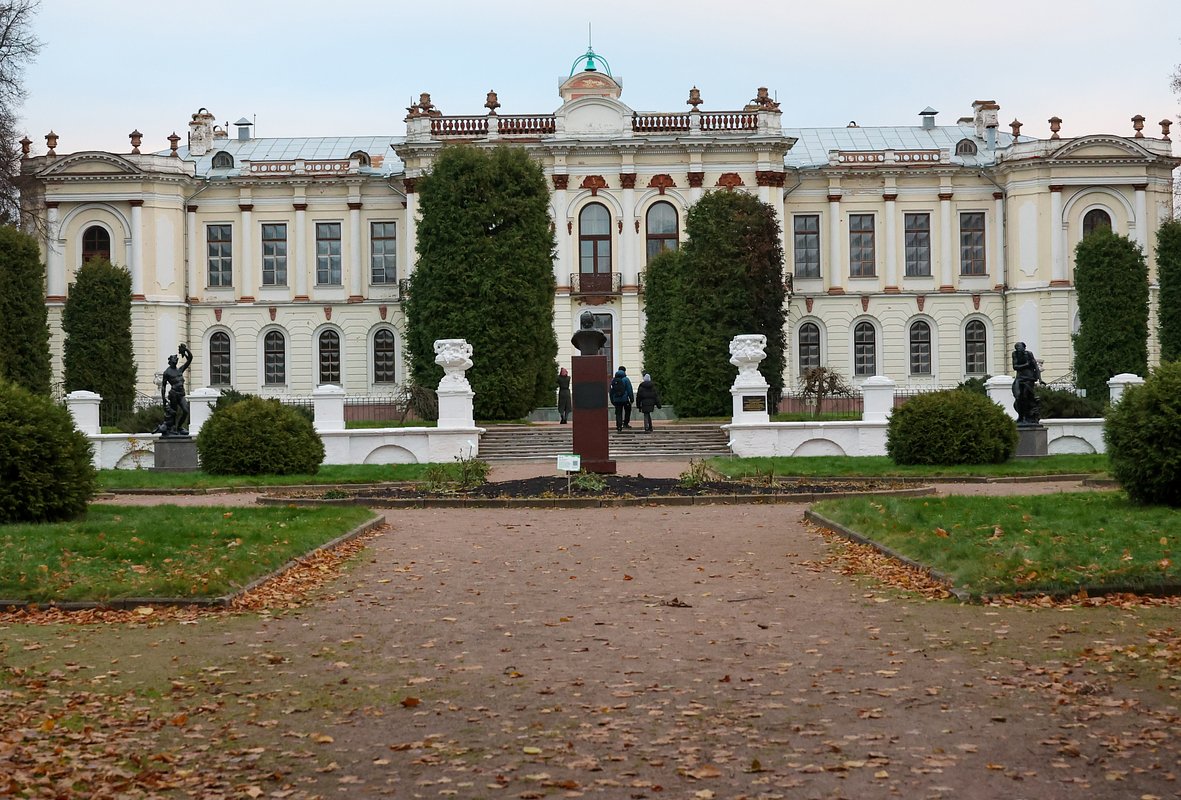
Petrovsko-Razumovskoye was established in the mid-18th century in Baroque and Neo-Baroque styles near Petrovsko-Razumovskaya metro station. Built in the 1750s for Count Kirill Razumovsky, the estate became famous in the 1820s for celebrations hosted by Prince Yury Dolgorukov. Grottoes were constructed along the Great Academic Pond.
Sharova stated student Ivan Ivanov was shot in one of the grottoes in 1869 by Sergei Nechaev's People's Reprisal terrorist group after opposing leafleting during university protests, an event that inspired Dostoevsky's novel Demons. The main building was acquired in the mid-19th century for the Petrovsk Agricultural Academy, now the Timiryazev Agricultural Academy, and features Timiryazevsky Park and a historic arboretum.
Tsaritsyno Estate
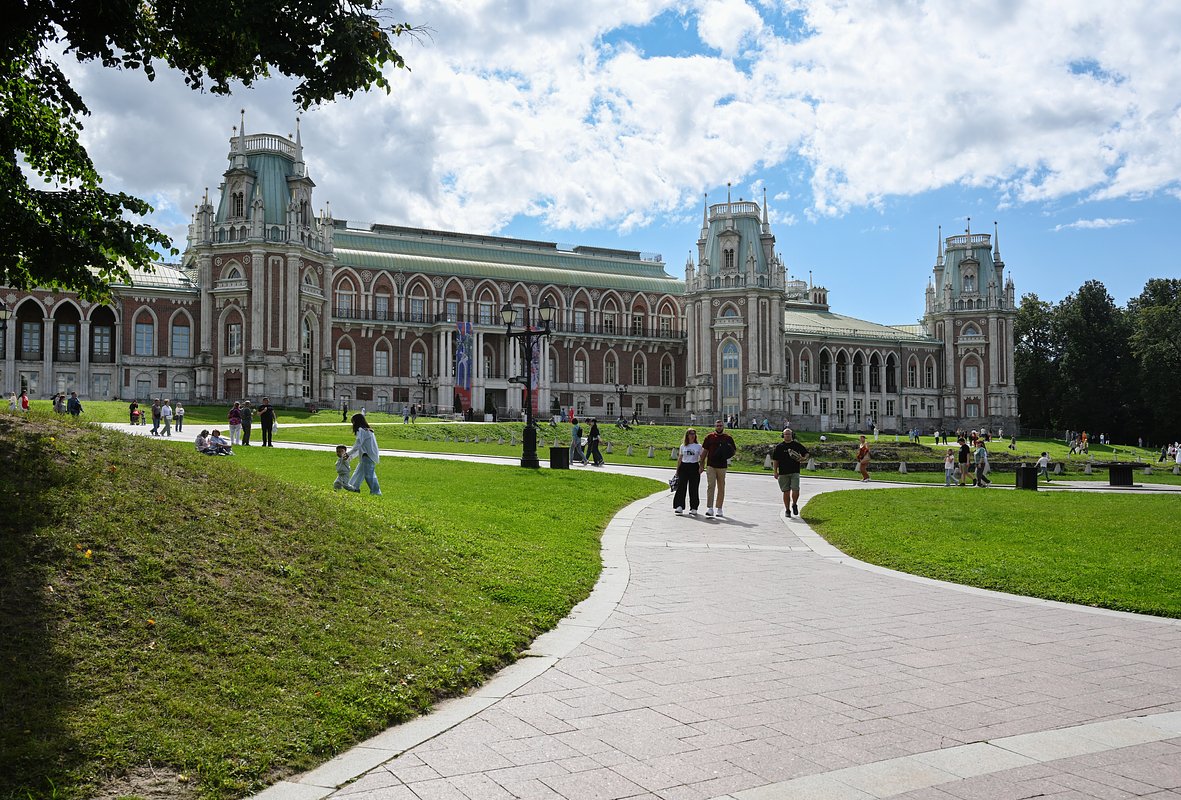
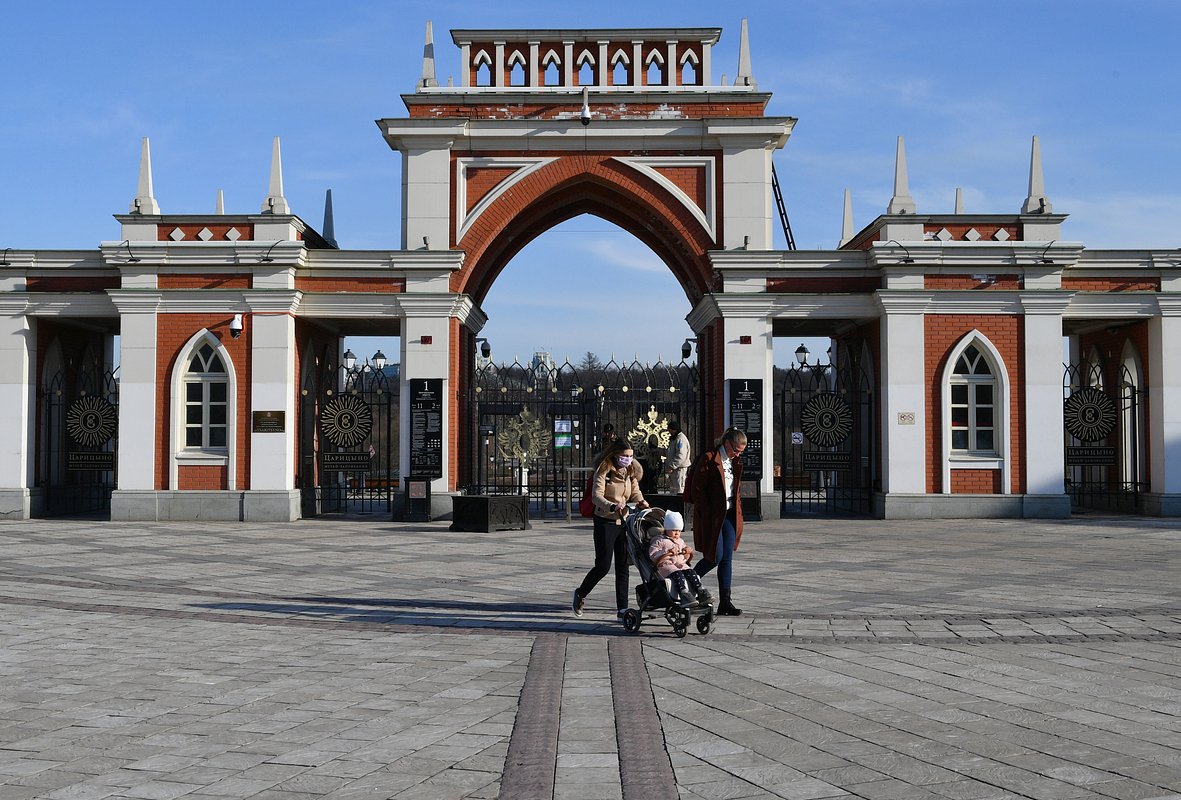
Tsaritsyno was established in 1776 in Russian Pseudo-Gothic style near Tsaritsyno and Orekhovo metro stations. Peter I originally granted the Black Mud land to Moldavian Hospodar Dmitry Kantemir, who built a Chinese-style wooden palace and a regular French garden. Catherine II purchased the estate from Prince Sherban Kantemir in 1775, renaming it Tsaritsyno and spending late summer 1775 there in a temporary wooden palace with Prince Grigory Potemkin.
Architect Vasily Bazhenov designed a Gothic ensemble of three separate pavilions, but Catherine rejected the structures upon inspection and dismissed him, a decision historical accounts link to Bazhenov's Masonic ties. Matvey Kazakov took over in 1786 and completed the main structure by 1796, when Catherine died. Emperor Paul I halted construction, and Alexander I later opened the grounds to the public. Tsaritsyno became a popular dacha area after 1865, hosting figures including Leonid Andreev, Mily Balakirev, Andrei Bely, Ivan Bunin, Vasily Klyuchevsky, Aleksei Pleshcheev, Kliment Timiryazev, Fyodor Tyutchev, Pyotr Tchaikovsky, and Anton Chekhov. A full restoration based on Bazhenov and Kazakov's designs was completed in 2007.