

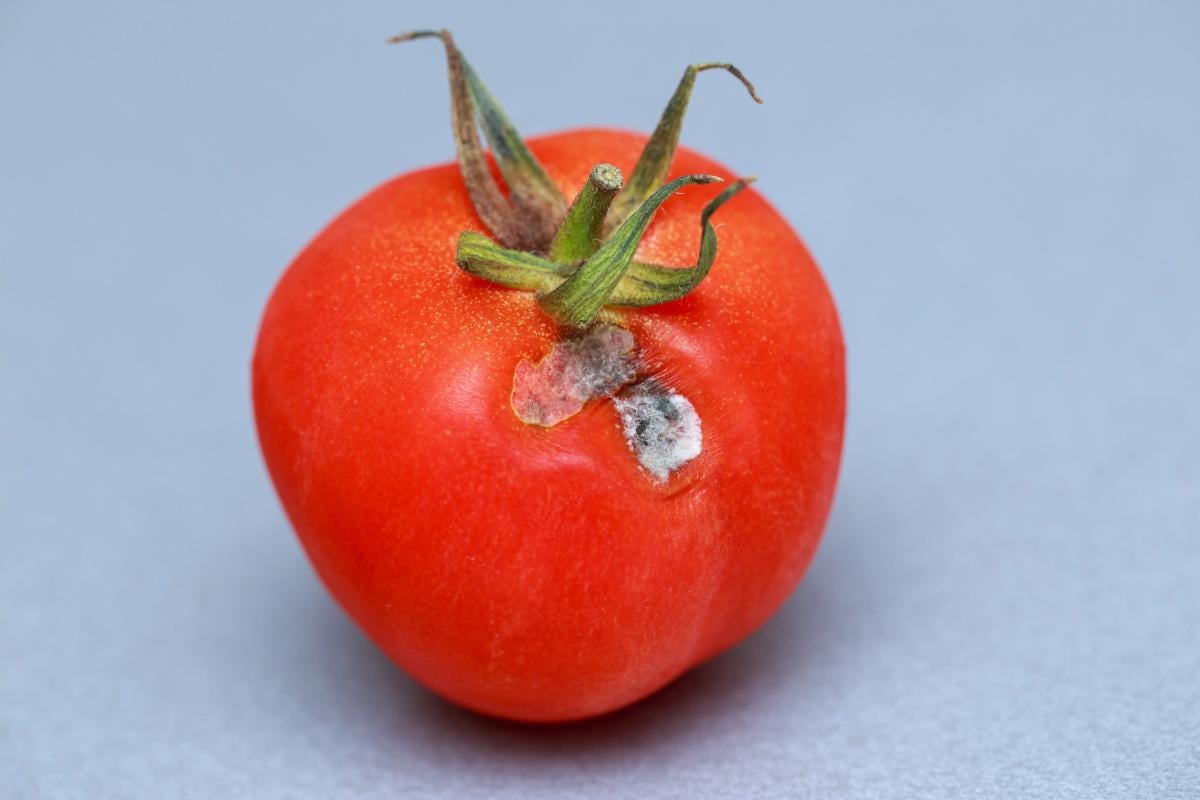
Tomatoes with visible mold should be discarded completely rather than trimmed, as invisible toxins spread deep inside the fruit, culinary publication Wp.kuchnia reported.
Food safety experts cautioned that visible mold spots represent only a minor portion of a broader contamination issue. Tomato pulp is exceptionally moist and delicate, allowing fungal mycelium threads and toxic secretions to penetrate far deeper into the flesh than occurs in firmer produce.
Research examining tomatoes infected with the fungus Alternaria alternata revealed that harmful toxins can travel several centimeters beyond the visibly spoiled patch. The risk of widespread toxin penetration increases significantly when the mold patch is large or when the tomato has been stored in warm environments. While dense foods such as hard cheese or carrots can sometimes be saved by cutting away a wide perimeter around mold, the high moisture content of tomatoes prevents this strategy from being reliable.
Toxin risks and heat resistance
Although some studies indicate that removing a substantial layer of healthy pulp around a tiny mold spot may reduce health risks, experts stressed that this approach should not be used as a routine kitchen practice. Specialists advised that any soft tomato exhibiting a moldy patch should be thrown out entirely, particularly if the fruit is noticeably soft, heavily spotted, or left in warm conditions for extended periods.
Cooking moldy tomatoes into sauces or soups does not eliminate the danger, as certain fungal toxins remain stable under high heat. To prevent rapid fungal growth, ripe tomatoes that will not be consumed immediately should be stored in the refrigerator, where cold temperatures significantly slow down toxin production compared to room-temperature storage.
Distinguishing damage from rot
Food safety guidelines distinguish between fungal contamination and physical bruising. A tomato with slight mechanical damage or a soft dent without mold remains safe to eat and does not need to be discarded. However, the presence of a fluffy fungal coating, a distinct moldy odor, or visible signs of rotting indicates that the tomato is unsafe for consumption.
Gardening advice for cracked potatoes
The report also highlighted agricultural guidance for home gardeners dealing with cracked potatoes in the soil. Tubers typically split due to sharp fluctuations in soil moisture, such as heavy irrigation immediately following a prolonged dry spell. This sudden intake of water causes the internal tissue of the potato to expand faster than its outer skin can stretch, resulting in deep surface cracks.
Gardeners are advised to sort out cracked potatoes immediately after harvesting and consume them before whole tubers. Damaged skins create direct entry points for environmental bacteria and fungal spores, causing cracked potatoes to spoil much faster than intact ones.


