

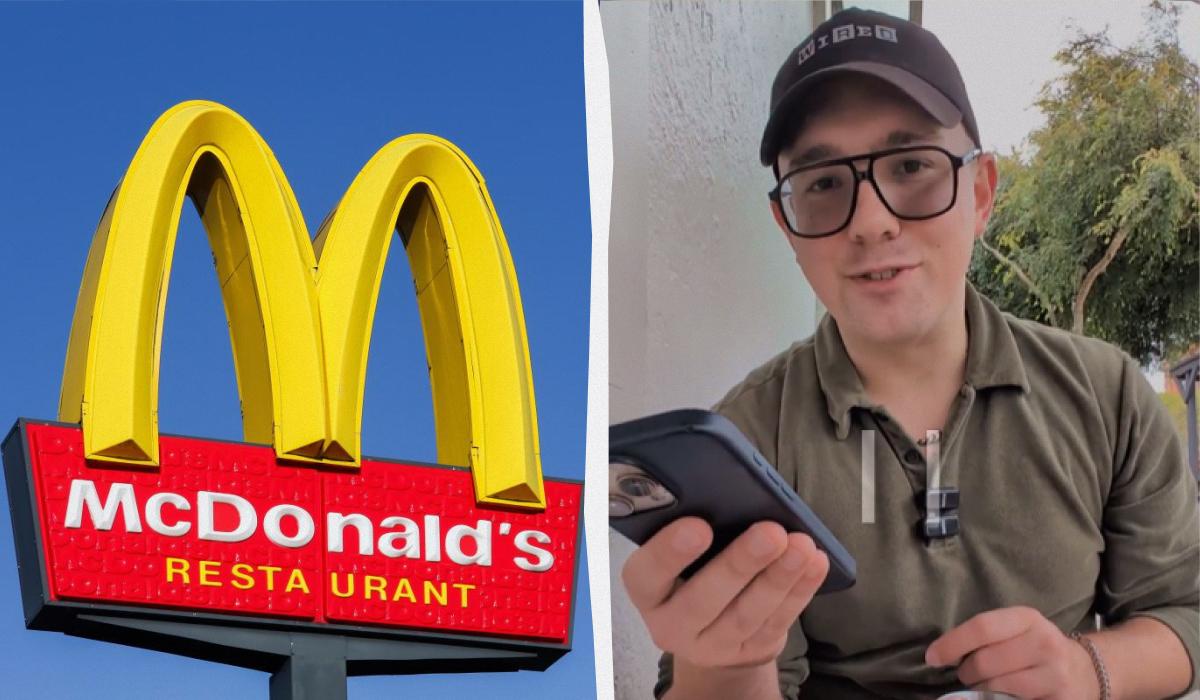
A California resident who requested his personal data from McDonald's received a 515-page dossier detailing not only his past order history but also algorithmic predictions of his future fast food spending.
Rhys Rodgers, a journalist for Wired magazine, submitted the formal request through the fast food chain's privacy center after using its mobile application and loyalty program for years to obtain discounts.
Under California data privacy laws, state residents have the legal right to request a full copy of all personal information compiled about them by commercial businesses, as well as the right to request its permanent deletion. McDonald's, a global fast food corporation based in Chicago, Illinois, relies heavily on its mobile application to collect customer preferences and drive rewards program engagement.
Within a few days of filing his request, Rodgers received an electronic file containing 515 pages of records. McDonald's explained in the introduction to the report that the document contained specific personal customer data identified across the company's information systems.
Algorithmic Spending Predictions
While the file included detailed records of past orders, Rodgers was most surprised by how McDonald's used that information to forecast his future purchasing behavior. Automated algorithms estimated that over the next six weeks, Rodgers would visit its restaurants an average of 2.16 times.
The system calculated that his expected spend per order would be $13.49, leading to a total projected expenditure of $29.15. The automated algorithms also evaluated the probability of customer loss or churn for Rodgers as zero.
The report classified his buying behavior into specific scenarios, notably afternoon snack and lunch on the go in a hurry. His most frequently ordered item was a large Diet Coke, while chicken wraps received the highest score among menu categories evaluated by the system.
Expert Warnings on Consumer Data
Wired, a San Francisco-based publication that covers digital technology and privacy issues, consulted industry experts to analyze the dossier. Lorrie Cranor, a professor at Carnegie Mellon University in Pittsburgh, Pennsylvania, described the 500-page report as a wake-up call regarding how much information corporations store on consumers.
Cranor said a 500-page document highlights the difficulty average users face when trying to understand such reports or grasp the conclusions companies draw from collected data. Experts consulted for the story noted that while the extent of data collection can feel excessive to individuals, such tracking is standard practice among major American loyalty programs.
Rodgers noted that while individual data entries might seem harmless on their own, accumulating them over many years allows companies to build precise behavioral profiles showing where, when, and what a person routinely buys.
Data Deletion and Global Comparisons
After reviewing the document, Rodgers exercised another legal right provided to California residents by asking McDonald's to delete all collected data about him. He said he now wants to stop visiting the fast food chain entirely to test whether he can outsmart the algorithm that predicted his future purchases.
The report on customer data tracking coincides with broader attention on how McDonald's operates international locations. In separate reporting by UNIAN, American blogger Kelly Grace compared Ukrainian McDonald's restaurants with American locations and reported being surprised by the menu variety and food quality in Ukraine.
Grace highlighted Ukrainian menu offerings such as fresh salads, seasonal items, a McPops dessert filled with pistachio cream, and a special international football menu. She noted paying around $15 for a large meal combination featuring a burger, French fries, and a mango McFizz, stating that the quality of the meal exceeded her expectations.


