A humanitarian relief campaign launched by four Colombian content creators and Fundación Madrina has established an emergency operations centre at a church in Madrid to gather up to 200 tonnes of aid for victims of the recent earthquake in Colombia.
The initiative, operating out of the Parroquia de Santa Micaela y San Enrique in the Tetuán neighbourhood of the Spanish capital, has already recruited nearly 2,000 volunteers and collected between three and four tonnes of material during its first few days.
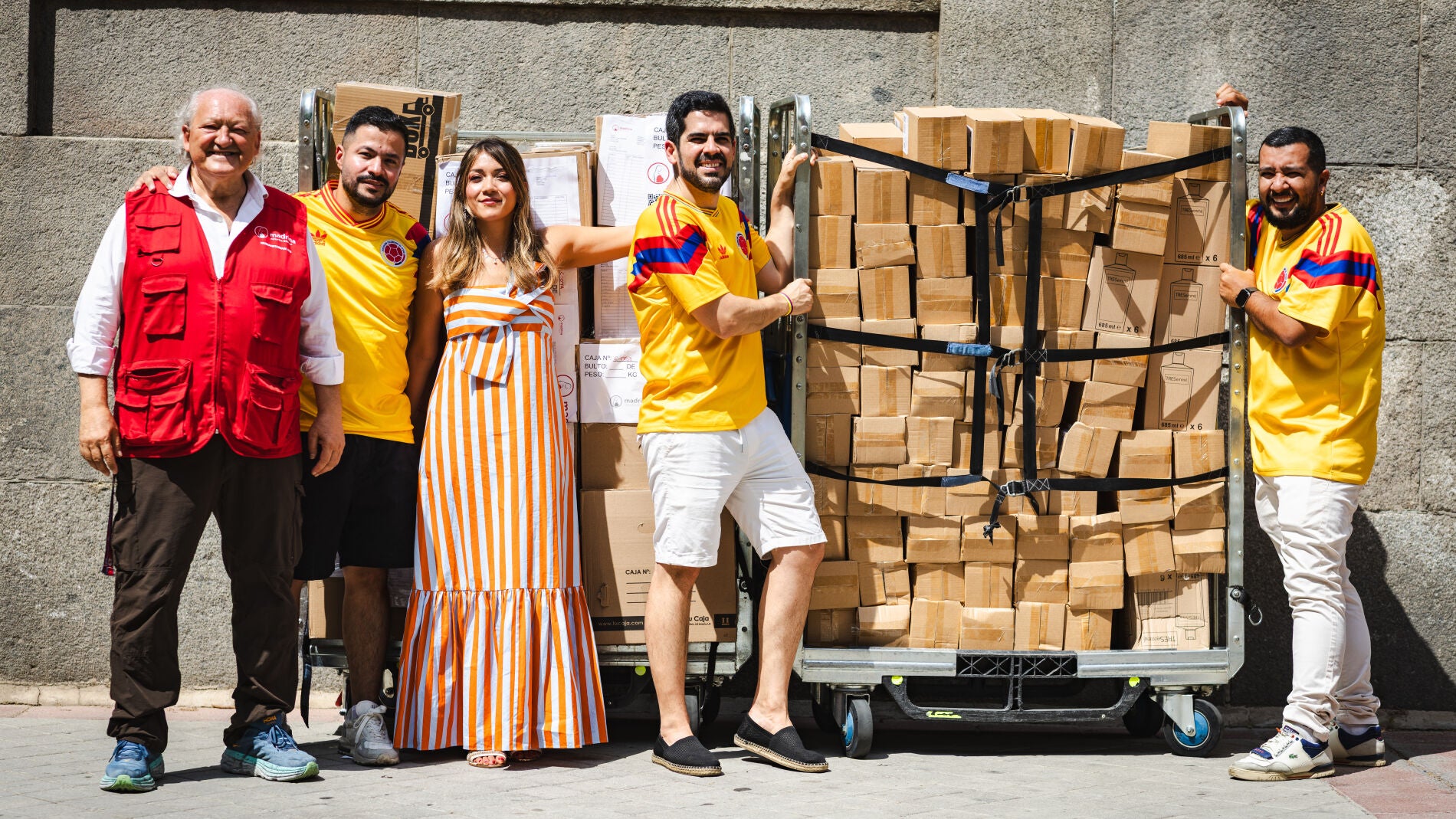
Content creators Tatiana Barreto Díaz, known online as @rolaenmadrid, Héctor Pazos (@elveciespanol), Fannier Salazar Cardozo (@el_fax010), and Juan Carlos Ramírez Llanes (@juanitovids) began mobilising their followers after learning of the disaster scale across their homeland.
The magnitude 7.4 earthquake struck western Colombia at 7:34 a.m. on August 10, with its epicentre located in San José del Palmar in the department of Chocó. Official statistics from the National Unit for Disaster Risk Management (UNGRD) confirm 287 people have died, 3,975 were injured, and 378 remain missing. The disaster affected more than 135,000 residents across 15 departments and 437 municipalities, causing severe damage in major urban centres including Pereira, Cali, Manizales, and Quibdó.
Tatiana Barreto Díaz, a Colombian citizen who has lived in Spain for nine years, was visiting Bogotá when the earthquake hit just three hours before her scheduled flight back to Europe. She recalled that while minor tremors are common in seismic regions, the sudden movement was unusually severe, and seeing news broadcasts showing the devastation in harder hit areas left her heartbroken.
She initially considered staying in Colombia to assist local rescue efforts, but her mother pointed out that spending around 500 euros to rebook her ticket would be better used purchasing supplies and organising aid from abroad. Upon returning to Madrid, Barreto contacted fellow creators to structure a campaign beyond social media posts, with two team members remaining in touch with ground contacts in Colombia to report expenses and local needs transparently.
Logistics and collection expansion across Spain
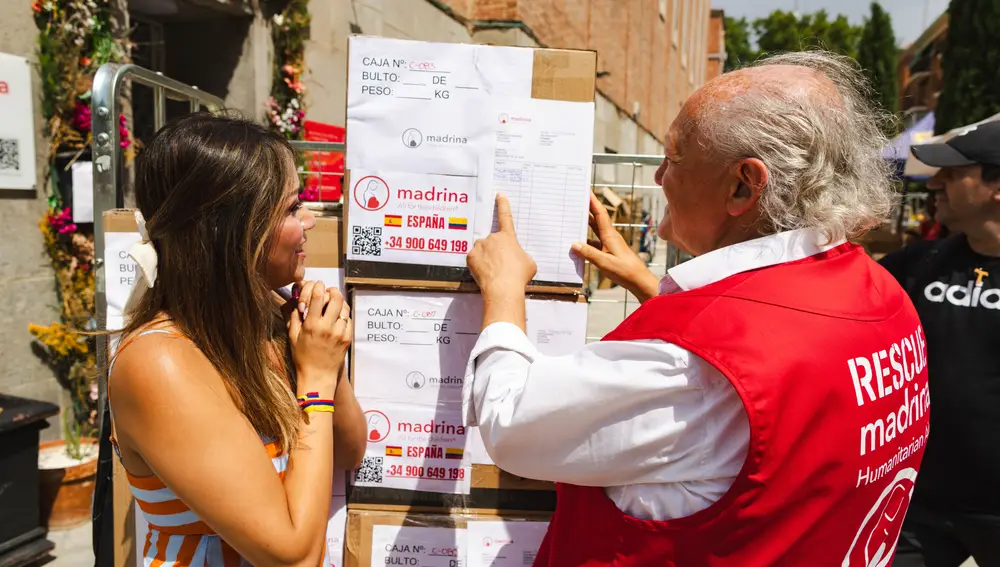
Recognising that gathering donations without secured transport would prove ineffective, the creators partnered with Fundación Madrina, an organisation with experience in international humanitarian operations led by president Conrado Giménez. Giménez acknowledged that public generosity quickly exceeded initial forecasts, overwhelming the Tetuán parish and prompting requests to municipal authorities for larger warehouse facilities.
The organisers are contacting parishes, priests, and Colombian associations throughout Spain to build a broader collection network. A relief initiative is already functioning in Valencia, while volunteer groups in several other autonomous communities have offered to establish regional collection points.
Giménez explained that immediate priorities involve search and rescue operations alongside shelter materials for displaced families sleeping outdoors, including tents, sleeping bags, blankets, sheets, and personal hygiene products. Medical requirements are equally urgent following severe damage to healthcare centres, driving requests for donated equipment such as ultrasound machines, X-ray units, medical lamps, incubators, pharmaceuticals, and emergency supplies, all of which will be evaluated by a medical team prior to deployment.
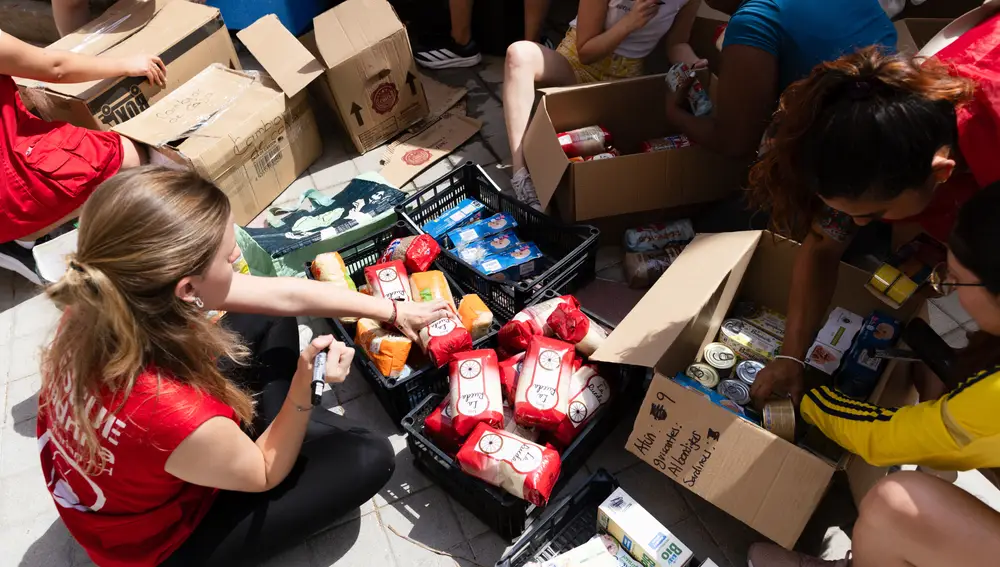
The foundation is also focusing on child and maternal welfare to combat malnutrition risks, requesting infant food, maternal supplies, and feminine hygiene items. Barreto noted that transport logistics limit acceptable donations, as heavy liquids and bulky food items present major freight challenges for air travel.
Transport challenges and focus on forgotten regions
The campaign has not yet dispatched cargo planes to Colombia because post-disaster airspace and damaged regional airfields are restricted primarily to emergency services, firefighters, and specialized rescue crews. Giménez stated that Fundación Madrina is pursuing options including military aircraft or agreements with commercial airlines to ship cargo progressively in loads ranging from one to seven tonnes.
Barreto stressed that while public attention centered on major cities like Cali and Pereira, isolated areas including Chocó and Buenaventura face acute hardship. Severe damage to roads and communications has isolated vulnerable communities in the Pacific region that already lacked basic infrastructure, leaving residents sleeping in the street. Barreto added that she plans to travel personally to these remote zones once transport is finalized to ensure donations reach those most in need.
Medium term recovery and daily warehouse operations
Beyond immediate emergency relief, Fundación Madrina is designing three medium-term projects estimated at 300,000 euros each. The first project will coordinate with hospitals to provide 3D-printed prosthetic limbs for children who underwent amputations due to earthquake injuries after undergoing medical evaluations.
A second initiative aims to install containerised solar power units capable of supplying electricity to 50 families or essential institutions such as schools and clinics. A third project involves deploying Spanish-developed technology that generates 2,000 litres of drinking water daily from atmospheric water vapor, which Giménez explained is preferable to transporting heavy bottled water shipments.
Daily operations at the Tetuán parish continue from 10:00 a.m. to 6:00 p.m. through the weekend, where volunteers receive, sort, and package donations. Giménez noted that many volunteers expressed a strong desire to contribute actively to relief efforts from Madrid rather than staying home feeling helpless as the disaster unfolds.