

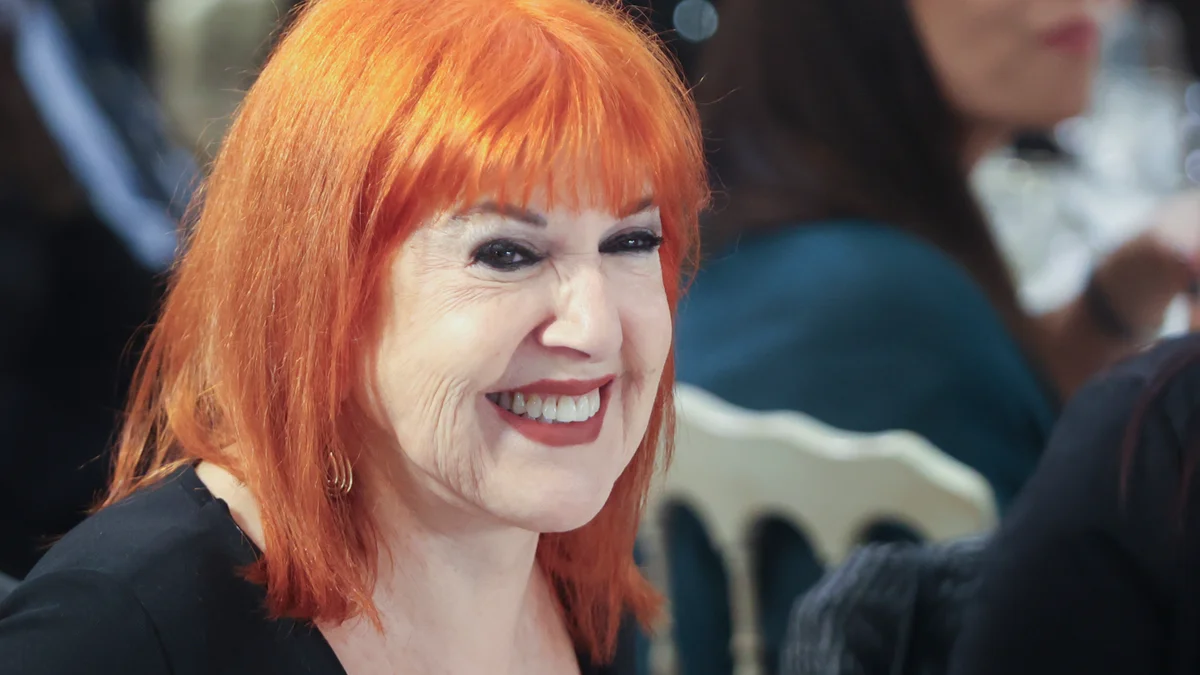
Spanish actress Loles León turns 75 on Saturday, and the occasion has prompted a sharp look at how society treats women who age visibly and unapologetically.
In a culture where asking a woman her age is still considered rude, the most common compliment paid to older women remains one of the most revealing, the piece argues: the suggestion that someone does not look their age, as though looking one's age were a personal failure.
León, the writer notes, belongs to a rare category of women who have never appeared to need forgiveness for the passage of time. She takes care of herself, as anyone working in a profession where appearance matters would, but has never given the impression of wanting to become a different person.
Ageism, the piece argues, has settled into everyday life with the quiet efficiency of the most effective prejudices. It rarely raises its voice. Instead it hides in apparently kind remarks, in headlines that treat every birthday as a biological surprise, and in the habit of praising someone for looking good "for their age," as though age were an illness.
Cosmetic medicine has made extraordinary advances and, used well, can help a person look the way they feel. The problem arises, the writer says, when it stops pursuing naturalness and starts chasing a permanent youth that does not exist. There is an enormous difference between refreshing a face and erasing a life.
Reaching 75 without hiding it, the piece concludes, is an act of freedom.


