


La Peregrina pearl, a historic sixteenth-century Panamian gem once owned by Elizabeth Taylor, remains hidden in a private collection following its nine million euro auction. The pear-shaped jewel was discovered in Panama in the 1500s before travelling through European royal courts and Hollywood history.
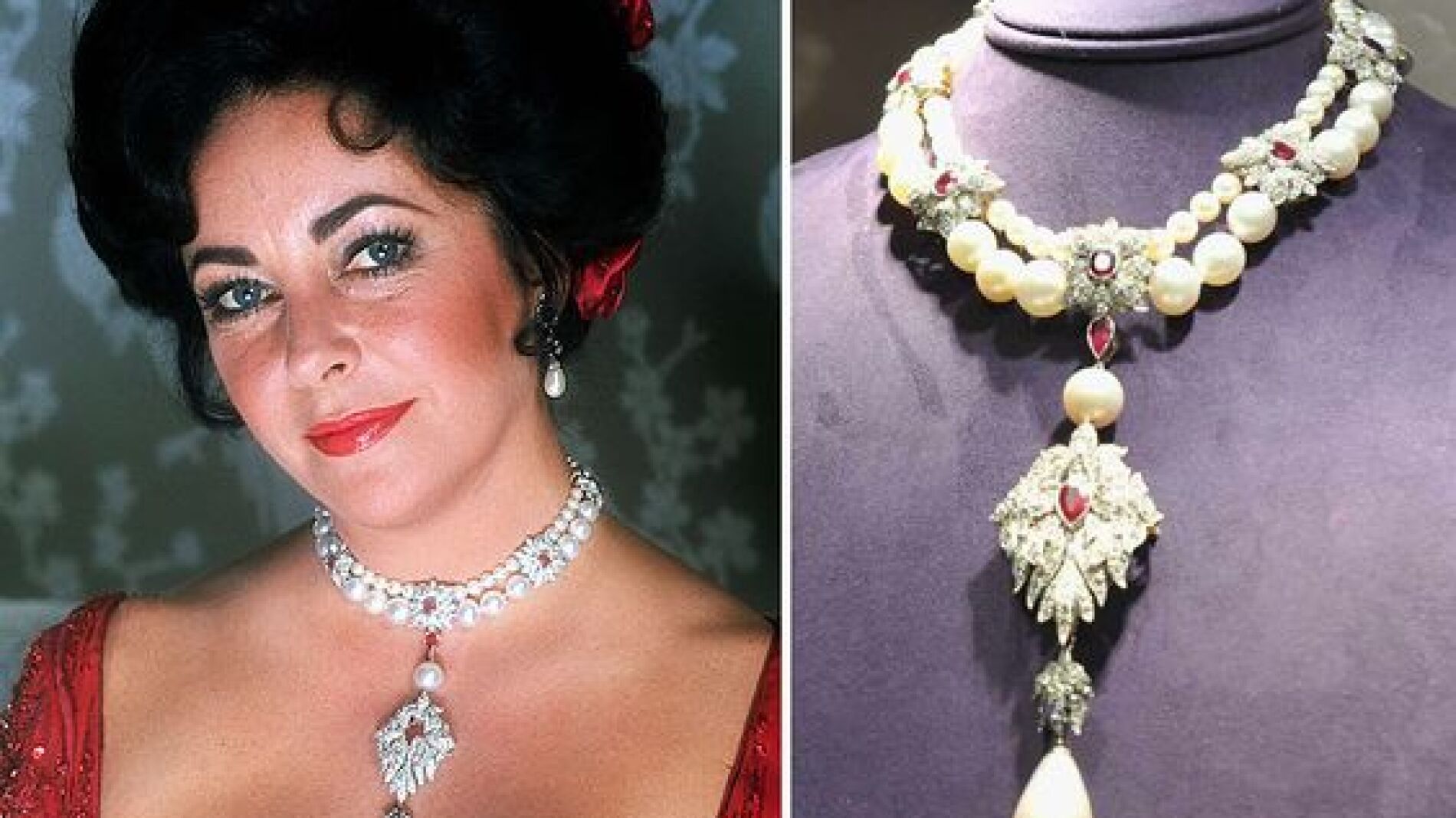
The gem is regarded as one of the most famous pearls in the world and was immortalised in portraits by master painters including Diego Velazquez and Rembrandt. After centuries as a Spanish crown asset, it became a global headline when actor Richard Burton bought it for Taylor in 1969.
Discovery and Spanish Royal Heritage
Uncovered in Panama during the sixteenth century, the pear-shaped pearl was transported to Spain near the end of that century. It was presented as a gift from the New World to King Philip II of Spain alongside Campeche logwood, a valuable dye wood.
King Philip II quickly judged the pearl to be an exceptional natural treasure. During that era, pearls were considered extreme luxuries because of how difficult they were to locate in nature.
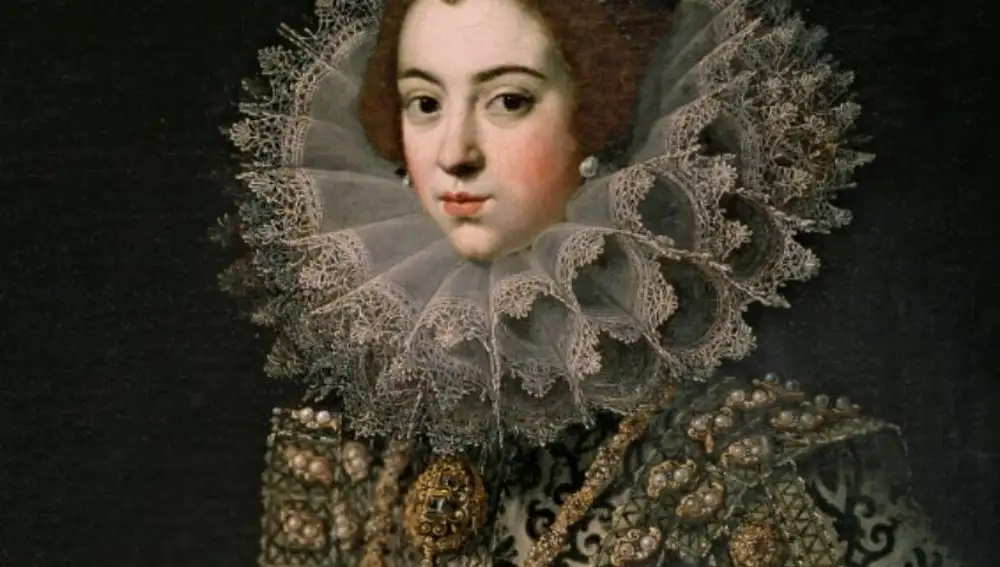
The jewel was paired with a famous diamond known as El Estanque, or The Pond, to create the Joyel Rico de los Austrias, a set of crown jewels that symbolised the Hapsburg dynasty. Spanish kings and queens regularly posed wearing the pearl for official royal portraits.
Monarchs featured with the gem ranged from Queen Mary Tudor during her marriage to Philip II to Elisabeth of France, the wife of King Philip IV. Although the Spanish crown does not maintain a complete historic royal jewelry collection today beyond the surviving royal pieces known as the joyas de pasar, La Peregrina and El Estanque were historically passed down as crown legacy items between reigning monarchs.
Exile Across Europe and America
The jewel left Spain in 1808 when Joseph Bonaparte demanded the surrender of the Spanish Bourbon royal jewels. Bonaparte gave La Peregrina to his wife, Julia Clary, taking the pearl out of Spanish hands.
Following the separation of the couple, Bonaparte carried the pearl to the United States before returning with it to Europe. He later willed the jewel to Napoleon III.
Financial difficulties eventually forced Napoleon III to sell the pearl to the Marquess of Abercorn. The sale prevented Empress Eugenie de Montijo from ever wearing the historic piece, and the pearl subsequently disappeared from public records for decades.
Auctions and Elizabeth Taylor
King Alfonso XIII of Spain attempted to buy the pearl around 1914 to return it to Queen Victoria Eugenie and the Spanish crown treasury. However, the king declined the purchase after failing to agree on the price set by the London jewelry firm selling the item.
La Peregrina reappeared in public headlines in 1969 when it was put up for auction. The Spanish Royal House commissioned Alfonso de Bourbon y Dampierre to bid on the jewel, but actor Richard Burton outbid the royal family.
Burton gifted the gem to Elizabeth Taylor, bringing the pearl back to the United States. Taylor later worked with Cartier designer Al Durante to mount the pearl on a Renaissance-inspired necklace.
Auction Record and Mystery Location
The complete Cartier necklace featuring La Peregrina was auctioned in 2011 following Taylor's death, selling for nine million euros. The sale set a landmark price for the jewel and made international headlines.
The buyer at the 2011 auction chose to remain anonymous, and the identity of the current owner has never been publicly disclosed. The pearl has not made any major public appearance since being sold, remaining inside private collections.
The Spanish Royal House has maintained that it possesses the authentic original pearl in its current royal collection. However, historical evidence indicates that the pearl held by the Spanish crown is a replacement added to substitute for the lost original.
Queen Letizia of Spain has never worn the replacement pearl in public to date. The gem remains the only major historical item from the Spanish branch of the House of Bourbon that Queen Letizia has yet to display.


