Spanish television presenter Jorge Javier Vázquez sparked an intense debate in aesthetic medicine after undergoing a premature facelift to rejuvenate his image. The Mediaset broadcaster, known across Spain for hosting major entertainment programs, opted for surgical intervention before displaying pronounced facial aging or sagging tissue.
Vázquez explained publicly that he decided to undergo the cosmetic procedure to prevent future signs of aging. However, his subsequent television reappearance surprised viewers with a far more obvious facial alteration than anticipated, raising questions among audience members and clinical observers alike.
Initial reactions among television viewers attributed his altered expression to routine post-operative swelling and inflammation. As months passed without his appearance normalizing, the case evolved into a primary example within cosmetic surgery regarding the risks of operating on a face before surgical intervention is genuinely required.
Surgeons warn of artificial outcomes
Modern rhytidectomy procedures focus on repositioning deep facial tissues while preserving the natural anatomical structure of the patient, rather than merely stretching the skin. Specialists emphasize that when surgery is performed on a face that retains strong structural support, the outcome can easily appear unnatural.
In medical circles, practitioners use colloquial terms such as fish mouth, or boca de pez, to describe outcomes where the corners of the mouth become excessively elongated. Surgeons also describe affected patients as having an inexpressive face, characterized by a distinct loss of natural movement, facial mobility, and youthful freshness.
Aesthetic surgeons stress that the primary objective of facial surgery is to help a patient look better rather than different. Questions routinely arise in clinical evaluations as to why a patient who still possesses youthful facial structure should undergo aggressive surgical procedures, adhering to the medical principle that the best surgery is one that does not need to be performed.
Complexities of revision procedures
Correcting unsatisfactory outcomes through secondary facelift surgery remains possible, though revision procedures present significantly higher technical difficulty. Surgeons can release tissue tension and reposition deeper structures to improve the overall facial contour during a second operation.
Operating on a previously operated face requires extensive clinical experience due to the presence of internal scarring and fibrosis. This scar tissue alters standard anatomical planes, complicating both surgical dissection and the natural mobility of deeper facial layers during repair work.
Medical experts maintain that initial assessment and proper surgical indication represent the most effective strategy. An increasing number of plastic surgeons now decline to operate on individuals who display minimal aging signs, noting that the cosmetic benefits do not outweigh potential surgical risks when underlying facial structure remains intact.
Hollywood examples of cosmetic excess
Key takeaways from premature interventions highlight that operating early does not ensure a more natural appearance. Practitioners emphasize that preserving natural facial expression holds greater value than removing minor wrinkles, and knowing when to delay surgery forms an essential component of aesthetic care.
Similar debates over aesthetic procedures have long surrounded high profile figures in international entertainment. American actress and businesswoman Priscilla Presley, former wife of musician Elvis Presley, became one of Hollywood's most cited examples of how consecutive cosmetic procedures can permanently modify natural facial expressions over time.

Late American comedian and television presenter Joan Rivers frequently addressed her extensive cosmetic surgeries with self-deprecating humor. Over her decades in broadcasting, her transformed appearance became a central reference point in discussions regarding the boundaries of elective plastic surgery.
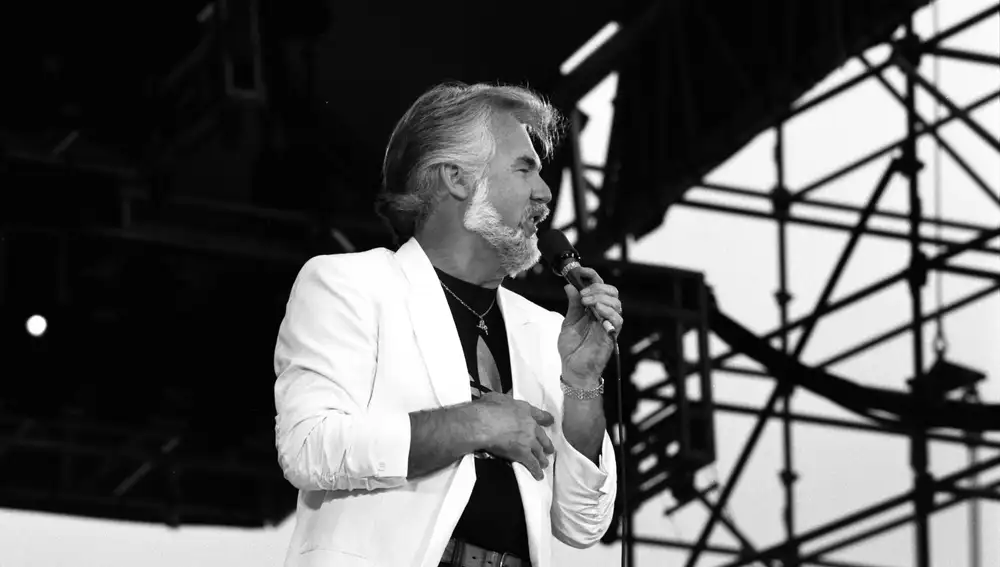
Late American country music singer Kenny Rogers, famous for classic hits such as The Gambler, publicly acknowledged that one of his facial surgeries left him dissatisfied. His experience is frequently highlighted by medical commentators to demonstrate the importance of prioritizing facial naturalness over the complete elimination of wrinkles.