Journalist Jon Sistiaga and co-director Juanjo Lopez have released a new Netflix documentary examining the 1997 kidnapping and murder of Spanish councillor Miguel Angel Blanco in Ermua, northern Spain.
The film, titled "Miguel Angel Blanco: las 48 horas que lo cambiaron todo", relies on more than 180 hours of archive footage to address historical memory loss among young Spaniards. Blanco was a 29-year-old local politician kidnapped and killed by the Basque separatist group ETA in July 1997.
Sistiaga said the main goal of the project is to reach younger viewers who know little about Spain's recent past. Statistical data shows that half of young people in Spain do not know who Blanco was or how his death impacted terrorist impunity.
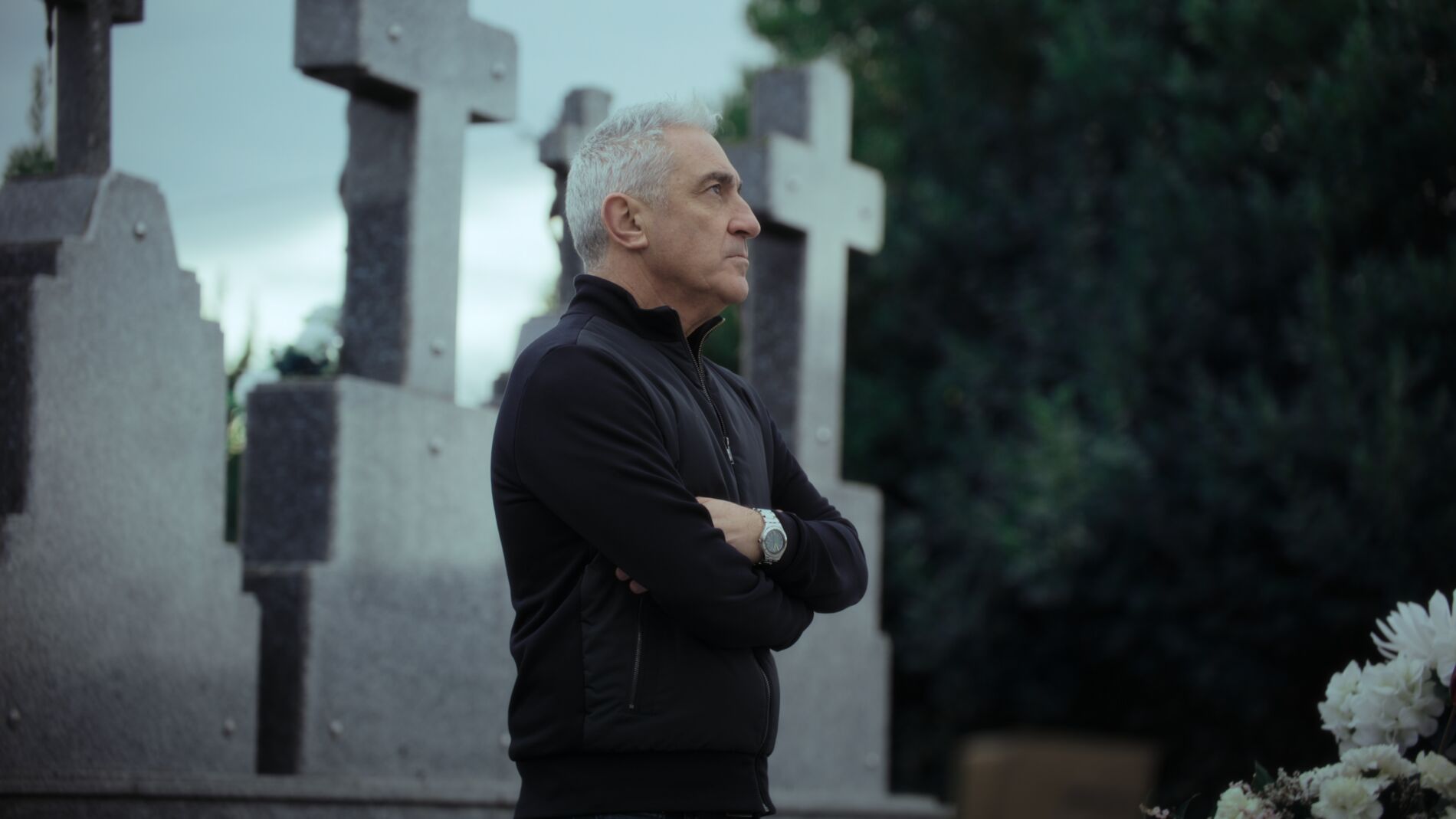
The directors structured the 90-minute piece as a countdown thriller to encourage families to watch together. Sistiaga noted that while traditional television reaches older generations who lived through the event, streaming platforms connect with their children. He added that the young technical crew working on the production had not heard of Blanco before and finished interviews emotionally devastated.
Targeting a younger audience
The documentary avoids fictional reconstructions and true-crime dramatisation in favour of neutral, objective reporting. Sistiaga said the team sought to present facts without political bias or media distortion, treating the event as a universal human drama.
Rather than portraying Blanco solely as a political symbol or a name on public buildings, the film focuses on his personal life. It depicts him as an ordinary young man who enjoyed Spanish rock band Heroes del Silencio and planned to go on holiday with his girlfriend.
Key political figures from the period appear in the film to explain their actions during the 48-hour crisis. These include former Spanish Prime Minister Jose Maria Aznar and former Interior Minister Jaime Mayor Oreja. The documentary also highlights Carlos Totorika, the former mayor of Ermua, who led angry residents on peaceful marches to prevent community violence.
Interviews with key figures
Sistiaga explained that interviewees were asked to speak as private citizens rather than institutional figures. High-ranking law enforcement officers, including a lieutenant colonel from the Guardia Civil and a commissioner from the Policia Nacional, agreed to speak without wearing their uniforms or medals.
Mayor Oreja described his internal distress as a religious man when refusing to yield to ETA blackmail, knowing the decision effectively condemned Blanco to death. The film also includes the first public comments on the matter by the King of Spain.
Secret mediation efforts to save Blanco's life are revealed for the first time in the documentary. Lawyer Maria Jose Gurrutxaga and politician Patxi Zabaleta provide detailed accounts of these covert attempts. Sistiaga said the emotional weight of the interviews caused crew members to weep once cameras stopped recording.
Media coverage and street mobilization
The documentary contrasts the 1997 media landscape with modern digital technology. Blanco's father learned of his son's abduction after leaving a construction site without a mobile phone or radio, when a journalist questioned him in public.
Sistiaga noted that ETA did not anticipate round-the-clock news broadcasts at the time. He said that while a similar event today would be livestreamed online, the 1997 mobilization relied on physical action.
After a local judge ordered streets to be posted with Blanco's photograph, millions of citizens mobilized to assist police. Sistiaga described this spontaneous movement, known as the Spirit of Ermua, as a physical precursor to modern social networks.
Unseen material and emotional revelations
Due to pacing requirements, several recorded segments were cut from the final release. Omitted material included an interview with a BBC reporter who traveled from Istanbul and additional personal confidences.
The production resolved a long-standing misunderstanding involving Blanco's sister, Marimar Blanco. She had previously believed that the doctor who treated her brother after the shooting supported ETA. When interviewers raised the issue, the doctor explained that he had acted with complete professional integrity, prompting Marimar Blanco to express a desire to embrace him.
The documentary finishes with a letter addressed directly to Blanco, breaking traditional storytelling conventions. Sistiaga explained that the narrator speaks to Blanco as a 58-year-old man, the age he would be today, matching the age Sistiaga was when the murder occurred in 1997.
A message across generations
Sistiaga expressed hope that high school teachers will use the documentary in classrooms to teach students about real historical events. He emphasized that modern Spanish democracy and public well-being were achieved at a heavy cost, involving more than 800 deaths from terrorism.
He added that the film serves as a reminder of national unity during a period of intense political polarization. Sistiaga concluded that remembering the past is essential to preserving peaceful coexistence in Spain.