

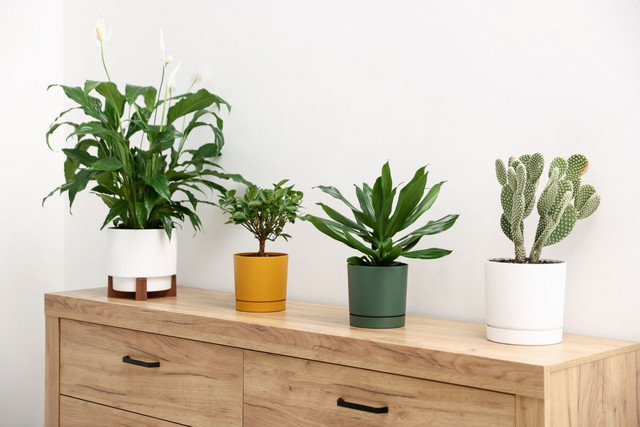
Plants can weaken and display listless foliage even when growers maintain proper watering, regular fertilisation, and attentive daily care, because neighbouring vegetation actively disrupts their development. Gardening observations show that placing incompatible plants close together creates severe competition for physical space and vital soil resources.
When positioned in close proximity, plants compete directly for available light, moisture, and essential soil nutrients. Stronger or faster growing species frequently dominate shared growing areas by casting shade over smaller neighbours, depriving them of necessary solar energy and leaving adjacent plants to suffer despite proper maintenance.
Chemical interactions and plant allelopathy
Beyond physical resource competition, certain plant species release specialized chemical substances directly into the surrounding soil. This biological phenomenon, known to botanists as allelopathy, enables specific plants to actively hinder the normal development of nearby vegetation.
Allelopathic root secretions restrict neighbouring plants from absorbing vital nutrients, effectively slowing down or completely halting their growth. Because these chemical exudates act beneath the soil surface, plant owners often observe an unexplained decline in plant health without immediately recognizing the root cause.
In ecological science, allelopathy is recognized as a well established natural defense mechanism that plants use to manage competition. Secondary metabolites produced by plant roots, such as phenolic compounds and alkaloids, alter soil chemistry and inhibit root extension in susceptible adjacent species.
Matching environmental needs and garden layout
A widespread mistake among plant enthusiasts involves combining species with incompatible environmental preferences in the same bed or container. Grouping plants with opposing requirements for moisture, sunlight, or air humidity inevitably results in at least one plant failing to survive.
For instance, certain plants demand abundant water while others thrive in dry soil, and shade loving foliage quickly scorches under intense sunlight that other species require. When these opposing types share space, the species poorly adapted to the shared environment will steadily decline.
To avoid these growing failures, specific layout principles help maintain balanced conditions across garden beds and plant pots. Gardeners should position tall plants behind or off to the side of shorter varieties to prevent blocking essential sunlight from reaching smaller foliage.
Furthermore, growers should avoid crowding too many plants into a single pot. The most effective approach requires grouping plants strictly according to shared needs, placing species with similar light, water, and fertilisation demands together in the same location.
Incompatible plant pairings in vegetable garden beds
Certain vegetable and herb combinations actively impede one another when cultivated in close proximity. Gardening records show that garlic fails to support or assist neighbouring crops such as cabbage or peas when planted in shared garden spaces.
Similarly, tomatoes struggle to grow effectively when planted near potatoes, while celery exhibits poor development when positioned next to carrots. These incompatible pairings produce weaker plants and reduced vitality without displaying obvious signs of pest infestation or disease.
Horticultural science attributes these negative interactions to companion planting dynamics. Plants belonging to the same botanical families, such as tomatoes and potatoes in the Solanaceae family, compete for identical soil nutrients and harbour common pathogens, while root exudates from Allium species like garlic can suppress beneficial mycorrhizal fungi needed by legumes.
Creating distinct environmental microclimates for houseplants
Indoor houseplants display identical sensitivity to improper placement and microclimate conflicts within the home. Cacti and succulents naturally require dry atmospheric conditions and minimal soil moisture, whereas tropical indoor plants depend on high humidity and frequent watering schedule routines.
Placing desert succulents directly next to moisture loving tropical plants prevents both varieties from thriving properly due to conflicting humidity levels. To resolve this issue, indoor plant owners can establish distinct environmental zones inside the house, creating a drier area dedicated to succulents and a separate humid zone for tropical species.
Most growers assume that successful plant care relies solely on regular watering and fertilisation. However, the immediate neighbourhood of a plant is equally critical to its long term survival and appearance.
Paying close attention to which plants share space leads to healthier leaves, stronger overall growth, and fewer cultivation problems without altering any other care routines. When plants fail to look healthy, rearranging their positions and moving them away from harmful neighbours provides the proper environment they need to flourish.


