

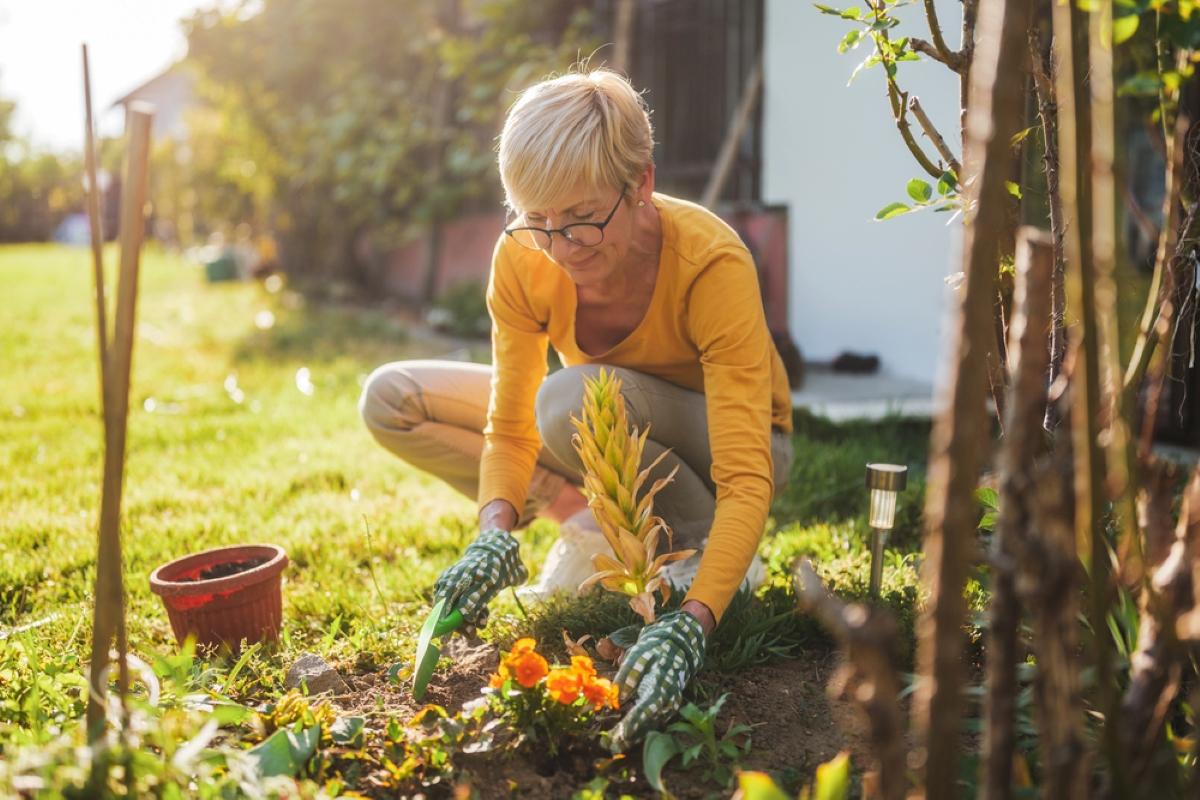
As the summer growing season winds down, gardeners and allotment holders still face a busy stretch of work in August and September, when the last harvests are gathered and soil and plants are prepared for winter.
There is still time in August to sow a handful of quick-growing crops, including lettuce, arugula, spinach, parsley, dill, basil and coriander.
Feeding Crops in August
Several vegetables benefit from targeted feeding this month. Carrots should get wood ash worked into the rows between plants, at about half a glass per square metre. Beets do best with a solution of potassium chloride, mixed at 30 to 40 grams per bucket of water.
Cabbage should be fed a mineral fertiliser such as nitrophoska, at one to one and a half tablespoons per bucket of water, applied at a rate of six to eight litres per square metre. Asparagus, rhubarb, horseradish and sorrel all respond to a mix of superphosphate and potassium chloride, one tablespoon of each per bucket of water.
Routine care matters too. Leeks need thinning and hilling up to develop a good stem, and can be fed twice this month with organic fertiliser. Pumpkin plants should have the ends of shoots bearing flowers and small, undeveloped fruit trimmed off, so the fruit that has already set has a better chance to ripen. Soil around root vegetables should be weeded and loosened, and carrots and beets thinned out if they are overcrowded.
Harvesting Vegetables
Cucumbers should be picked as soon as their leaves begin to yellow. That means harvesting in the morning every two to three days, removing yellowed leaves and any unwanted ovaries along with the fruit so new cucumbers grow faster. Plants should be watered moderately but regularly, and fed every two weeks with a urea solution sprayed on the leaves, at two teaspoons per bucket of water.
Tomatoes, eggplants, peppers and cauliflower also need harvesting this month. Tomatoes and eggplants in particular should be picked while their skin is still glossy, since letting them overripen on the plant makes them taste worse.
Caring for Berry Bushes
August is also the time to propagate white and red currants. Woody cuttings should be planted into soil that has first been thoroughly loosened. At the same time, the tips of blackberry and black chokeberry raspberry canes can be rooted by pressing them into the ground, covering them with fertile soil and keeping them moist.
Once berry bushes have finished fruiting, they should be fed with superphosphate and potassium sulphate, at 60 grams and 40 grams respectively per bush.
Pruning Trees and Berry Bushes
Late summer is when apple, pear and plum trees need all vertical shoots and root suckers cut away. Pruning cuts should leave no stubs, and the wounds should be sealed with grafting wax. Cherry trees need any dried-out shoots removed, along with those affected by moniliosis, or brown rot.
Berry bushes should also be pruned, but only once their harvest is finished. This applies especially to currants and gooseberries, where any branches thickening the centre of the bush should be cut out. On raspberry canes, growers should remove branches that will no longer bear fruit, along with weak, stunted growth and any canes showing signs of disease.
Grapevine Maintenance
Vineyards also need attention in August, including removing side shoots and tying in the main canes. In the first ten days of the month, the tops of shoots should be pruned back to remove sections carrying four to six underdeveloped leaves. Varieties known to be prone to disease should also be treated with fungicide.


