


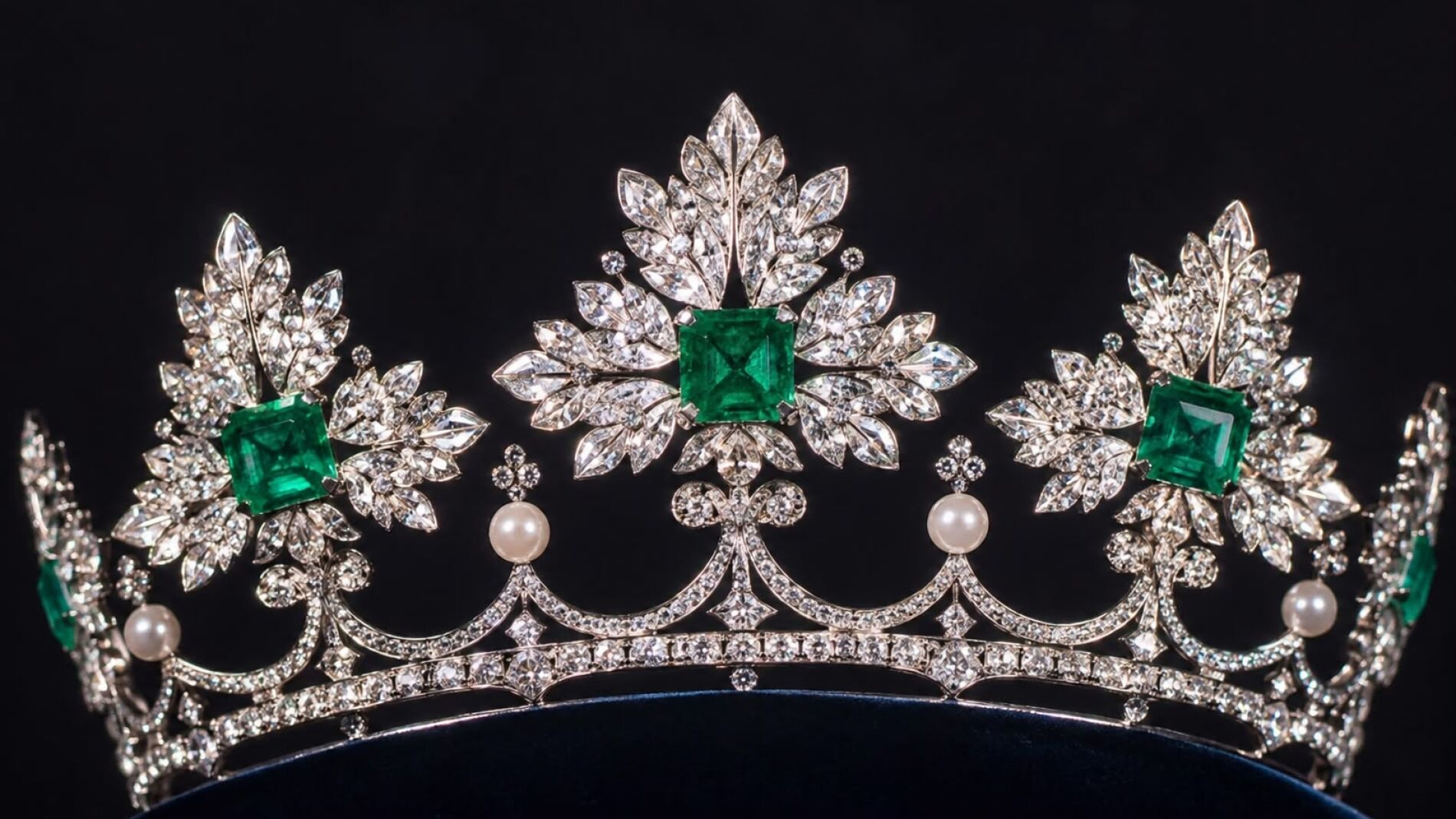
The Duke of Alba continues to preserve the historic House of Alba's sole surviving ducal tiara at Liria Palace in Madrid following years of jewel sales.
While the aristocratic house remains famous across Spain for its vast landholdings, civil architecture, and museum-grade art collection, its storied treasury of royal diadems has dwindled to a single major piece.
The family previously held several iconic headpieces, but most have departed from the main ancestral line. During the 1990s, the late Cayetana Fitz-James Stuart, 18th Duchess of Alba, sold a famous diamond tiara known as the Russian tiara to purchase a horse for her son, Cayetano. Another major piece, the Imperial tiara, a diamond and pearl heirloom once owned by Empress Eugénie of France, passed to the duchess's youngest child after being worn at the weddings of both Cayetana and her daughter, removing it from the primary ducal estate.
Origins of the ducal tiara
The remaining piece, held by the current Duke of Alba, is a ducal crown dating back to the 19th century. Historical sources differ on how the tiara entered the collection. Some accounts claim it was a wedding gift from Empress Eugénie to her sister, María Francisca de Sales Portocarrero y Kirkpatrick, who married into the House of Alba. However, timeline discrepancies cast doubt on this claim, as an 1859 article in the publication El Clamor Público recorded the tiara's arrival at Liria Palace nearly two decades after the couple's 1840 wedding.
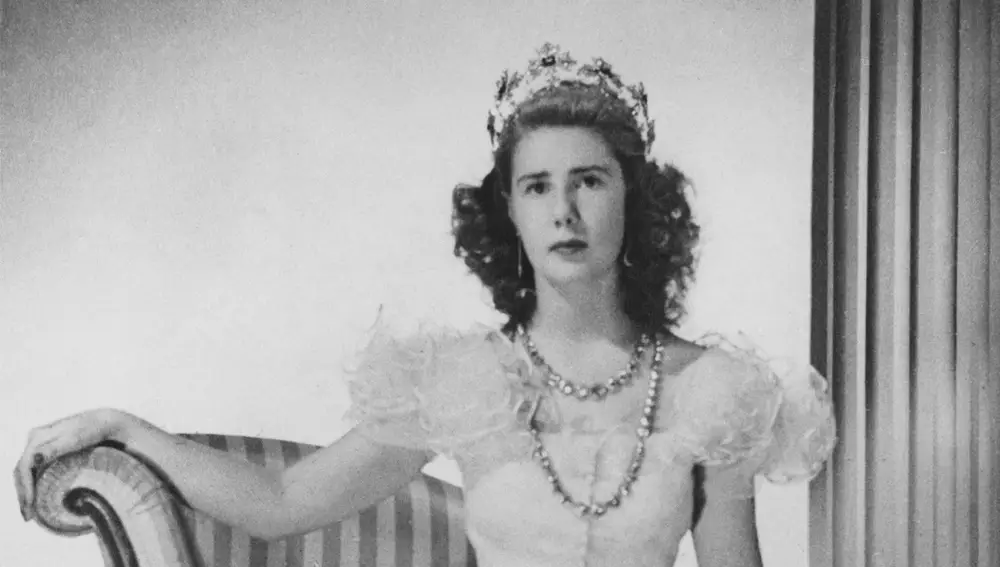
Regardless of its exact origin, historians regard the jewel as a gift between sisters that became the central piece of the Alba jewelry collection. The versatile design can be worn as either a crown or a tiara, featuring eight large platinum flourishes shaped like celery leaves and encrusted with diamonds and pearls. A prominent emerald is set at the center of each leaf, giving the design its distinct color.
Design and aristocratic symbolism
Ducal crowns became fashionable among 19th-century European nobility as symbols of family rank and title. As one of Spain's premier noble dynasties, the House of Alba sought to preserve the coronet as an emblem of its dukedom. By contrast, their historic rivals in titles and art collecting, the House of Medinaceli, sold their own similar coronette. That piece was later purchased by the Spanish government and presented to Queen Fabiola of Belgium on the occasion of her marriage to King Baudouin of Belgium.
Questions regarding the future of the Alba tiara arose when Sofía Palazuelo, the current Duchess of Huéscar, chose not to wear the piece at her wedding. However, indications suggest the tiara will remain within the House of Alba for years to come. Palazuelo was recently photographed wearing the headpiece for private family portraits, and the house expects another female title holder to inherit the estate in the future.
Other treasures of the Alba collection
While the full extent of the current Alba jewelry collection remains undisclosed, several notable pieces are documented. The family collection includes an Art Déco diamond bracelet, which socialite Genoveva Casanova converted into a tiara for her wedding, as well as a ruby and pearl set comprising a necklace and matching earrings.
The house also possessed two exceptional emerald necklaces. The most spectacular of the pair has not been seen publicly for decades, with reports suggesting it was sold stone by stone to cover family expenses. Cayetana Fitz-James Stuart wore the second emerald necklace in 2011 during an official meeting at the Royal Palace with King Charles III and Queen Camilla of the United Kingdom, though it remains uncertain when the family's remaining jewels will next be displayed publicly.


