

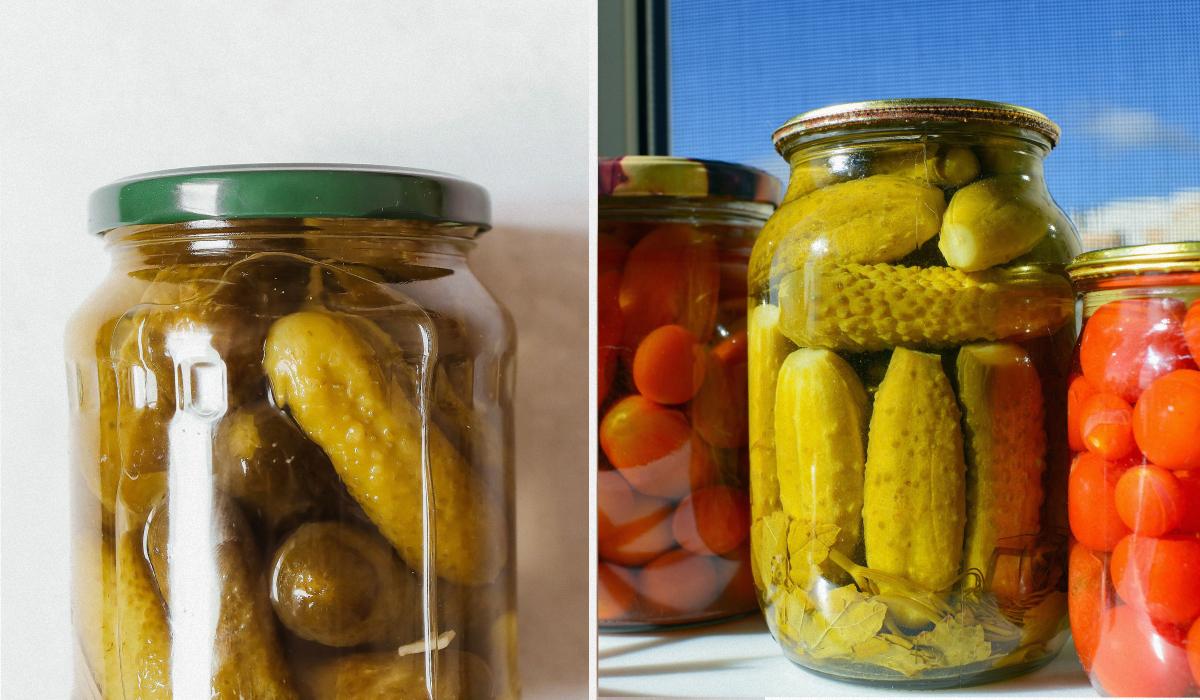
Home preservers facing swollen jar lids must inspect jars for bacterial growth or processing errors to prevent dangerous foodborne illnesses like botulism.
A raised or convex lid on a home preserve serves as a primary warning sign of internal pressure build-up. Microorganisms multiplying inside the container produce gases during their metabolic process, raising internal pressure and pushing the metal lid outward.
Swelling that occurs immediately after sealing does not always mean the food is spoiled. In meat preserves cooked in an autoclave, pressure variations during the cooling cycle can temporarily warp metal lids outward before they snap back into position as temperatures drop. An autoclave is a specialized pressure vessel that uses high-temperature steam to sterilize low-acid foods.
Signs of food spoilage in home preserves
Spoilage in home canning usually stems from insufficiently washed produce, improper sterilization of containers or lids, inaccurate ingredient proportions, or inadequate thermal processing. Leaving a swollen jar at room temperature simply to monitor it poses unnecessary health risks.
Preserves must be discarded if the lid remains convex, if the jar leaks, or if the contents show visible signs of deterioration. These warning indicators include cloudy brine, rising gas bubbles, surface foam, mold growth, or an unpleasant odor.
Floating ingredients do not automatically indicate a spoiled batch. For example, canned tomatoes often float toward the top of a jar due to natural fruit density, liquid volume, and recipe composition. However, floating tomatoes accompanied by cloudy liquid, active bubbling, or a bulging lid signal actual contamination.
Handling jar lid swelling and meat safety risks
When a lid bulges immediately after canning, cooling dynamics or procedural mistakes during preparation are often responsible. Preserves caught at this stage can be evaluated and reprocessed under full sterilization protocols if the specific recipe technology permits. Swelling that develops after extended storage requires immediate disposal without opening the jar for consumption.
Meat preserves, such as canned stewed meat, require heightened caution due to the risk of botulism. Botulism is a rare but severe illness caused by toxins from Clostridium botulinum bacteria, which thrive in oxygen-deprived, low-acid environments. These toxic bacteria can multiply rapidly inside a sealed jar even before visible signs of decay appear.
If a jar of canned meat develops a swollen lid during storage, the contents are unsafe to consume. Boiling the food, removing the top layer, or attempting to reprocess the meat will not eliminate the hazard. Under no circumstances should preservers taste test suspicious food to evaluate its quality while discarding it.
Preventing canning errors and storing preserves
Preventing lid failure in future batches requires strict adherence to hygiene and processing guidelines. Preservers should wash all vegetables, fruits, and greens thoroughly before canning, sterilize jars and lids properly, and select high-quality closures that show no physical damage.
Maintaining exact ingredient proportions and thermal processing times is essential for food safety. Preservers must follow technology with extra care when preparing meat, fish, or mushroom preserves. Sealed jars should be stored in a cool, dark environment and inspected periodically for signs of pressure changes or seal degradation.
Proper food preparation techniques also address common quality issues in home preservation. Earlier reporting from the publication explained why cucumbers turn soft after salting and detailed the specific steps needed to correct pickling errors.


