Miguel Ángel Lurueña, a doctor in Food Science and Technology and online educator known as Gominolas de Petróleo, has warned consumers to avoid eating products whose packaging shows visible bulging, even when the label's expiry date has not yet passed.
In a video posted to his TikTok account, Lurueña showed a commercial tray of hamburgers whose protective film bulged noticeably outward despite the product not having reached its printed expiry date.
Lurueña said preserving raw meat preparations is difficult for the industry. He noted that a normal raw hamburger made at home from ground meat and salt lasts only about 24 hours in the refrigerator.
Why meat trays bulge
To extend shelf life and ensure food safety in commercial distribution, the industry combines several technologies that slow microbial growth, Lurueña explained. These include strict refrigeration, preservative additives such as sulfites, and the use of protective atmosphere packaging.
According to Lurueña, this technique involves sealing the tray with a mixture of gases, usually oxygen, nitrogen and carbon dioxide, in proportions designed to slow the growth of microorganisms and better preserve the meat's color.
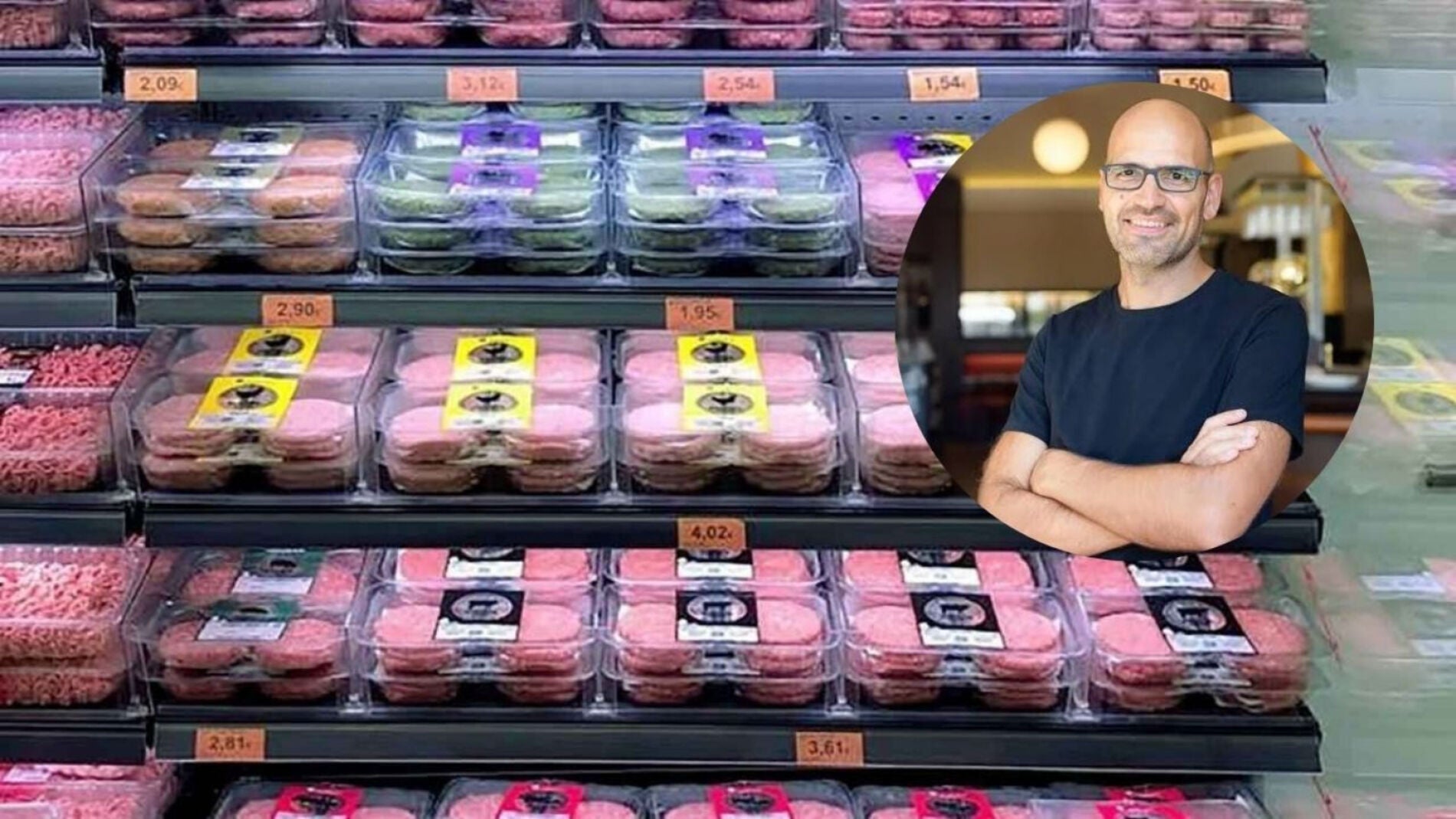
Because of this modified atmosphere, newly purchased trays often have some tension in the top layer of plastic. Lurueña said a slight initial tautness is completely normal and poses no danger to consumers. However, he said a package that is very bulged, or one that swells further over time, is usually a bad sign.
This progressive deformation is typically caused by uncontrolled bacterial growth that produces gas, Lurueña said. He explained that microorganisms capable of producing gases such as carbon dioxide are the likely cause of the swelling.
Lurueña stressed that a bulging package loses its original safety guarantee even if the label still shows a valid consumption window. Under those conditions, he said, the presence of pathogenic microorganisms that could cause illness cannot be ruled out. He added that the deterioration could stem from a high microbial load in the food itself, a packaging failure, or a break in the cold chain.
What to do with an affected product
When a deformed tray turns up in the fridge, food experts are unequivocal. Lurueña said consumers should completely rule out tasting the meat after removing the plastic film or trying to compensate for the defect by cooking it at high temperatures.
The best approach is not to open or eat it, Lurueña said, describing the correct way to handle the situation at home. He added that consumers can call the customer service number listed on the label, or take the product back to the store along with the receipt to get a replacement or a refund.
Lurueña said food safety should always come before any attempt to salvage a product with visibly abnormal packaging. A bulging film is an unmistakable visual warning that the food's safety may be compromised. For that reason, specialists advise consumers to consult the guidance of Spain's food safety agency, the Agencia Española de Seguridad Alimentaria, when handling suspect food.