

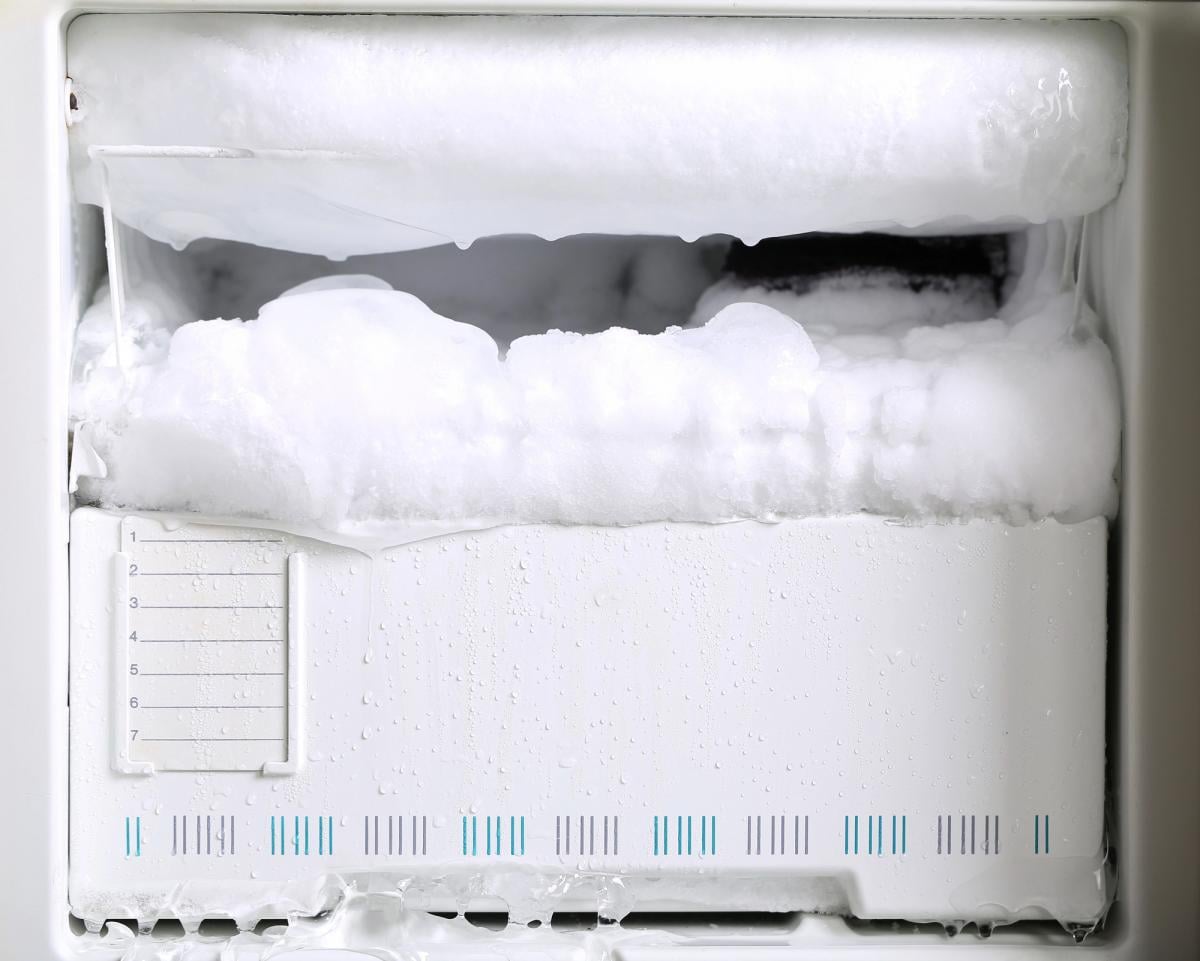
Freezer defrosting times can be reduced by lining interior compartment walls with ordinary aluminium foil, according to reports from Romanian news outlet evz.ro.
Ice buildup occurs when warm, humid air enters the freezer compartment during routine household use. Opening the appliance door frequently or leaving it unlatched allows atmospheric moisture to condense onto cold interior surfaces, where it gradually freezes into a dense layer that restricts storage capacity and impairs operating efficiency.
Aluminium is a highly conductive metal widely used in domestic cooking and thermal insulation because of its ability to transfer heat rapidly across its surface area. When applied to the walls of an unplugged freezer cabinet, foil sheets facilitate energy transfer onto icy patches that would otherwise thaw slowly.
How to defrost with aluminium foil
Before applying the method, the appliance must be disconnected from the mains electrical power supply and emptied completely of all stored items. Absorbent towels or rags should be arranged around the base of the unit to collect meltwater as the frozen deposits thaw.
After clearing the cabinet, the internal walls are lined with sheets of aluminium foil. A container filled with warm water is placed inside the compartment, and the door is closed for a period to trap heat within the enclosed space.
As heat from the water distributes across the conductive foil, the frost softens and begins to dislodge from the cabinet walls. Loose chunks of ice can be removed by hand once soft enough, while remaining ice can be cleared using a flat plastic scraper without applying excessive force.
Risks of improper defrosting tools
Attempting to speed up the process with sharp tools such as kitchen knives, screwdrivers, or forks carries significant financial and mechanical risks. Sharp metal edges can easily puncture or gouge the interior lining of the freezer, behind which sit fragile evaporator coils and cooling channels. Damaging these components can release pressurized chemical refrigerant, causing irreversible appliance failure.
Similarly, while warm water helps soften ice, using boiling water is discouraged. The extreme temperature variance between boiling liquid and cold plastic panels can trigger severe thermal shock, causing plastic liners and shelf supports to crack.
Preventative freezer maintenance
To minimize future ice formation, homeowners are advised to limit the length of time the freezer door remains open and to cool warm or lukewarm food to room temperature before placing it inside. Flexible rubber door gaskets should also be checked and cleaned regularly to ensure an airtight seal, alongside periodic manual defrosting.
Ukrainian news agency UNIAN previously reported on alternative household applications for aluminium foil, including placing rolled foil balls inside washing machine drums during laundry cycles to reduce static electricity.


